Mountain creature — with scaled wings — turns out to be new species in Chile. See it

While exploring a slope of the Andes mountains in northern Chile, Héctor A. Vargas spotted larvae living on two types of flowers.
Vargas, a scientist, collected the larvae and brought them to a nearby lab, according to a study published Jan. 18 in the journal ZooKeys. Then, he raised the three creatures into adulthood.
That’s when he notice the insects were unlike any others he had seen — and he realized he’d discovered a new species of moth: Argyrotaenia socoromaensis.
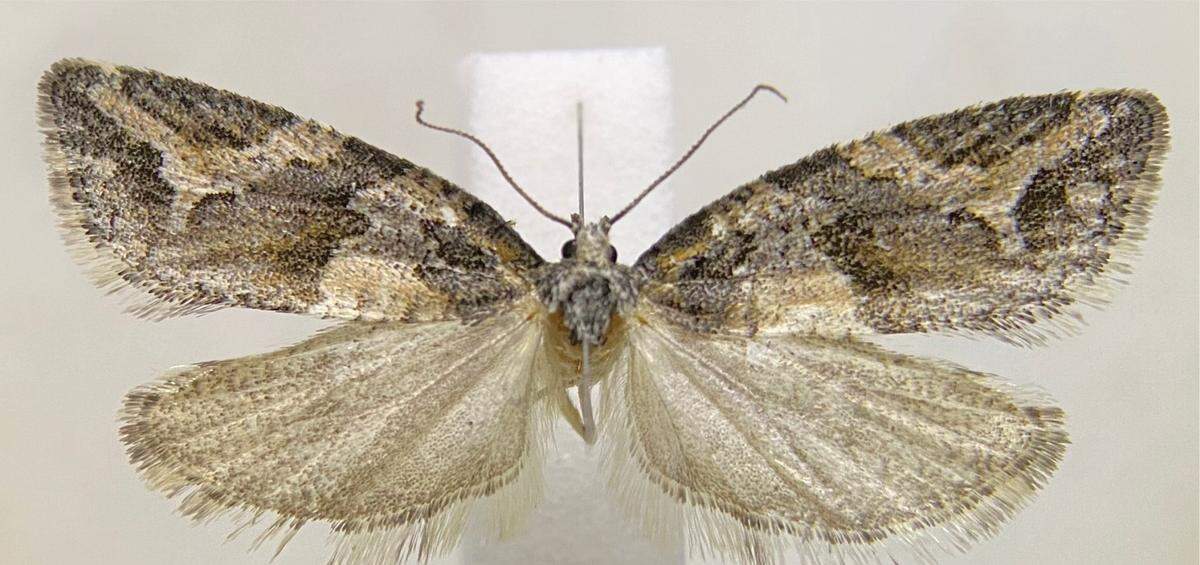
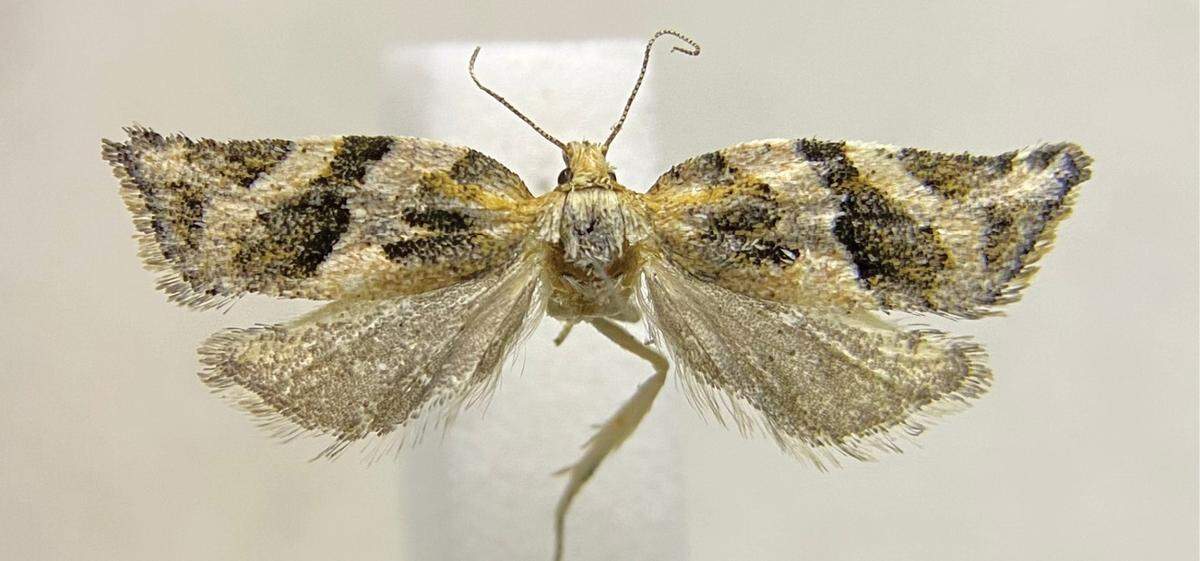
Vargas analyzed one male and two females, he said. The new species is sexually dimorphic, so males and females differ in “wing size, shape and pattern.”
The male specimen was a mostly gray and white with a “few yellowish-brown scales” toward the center of its wings, Vargas said. Its forewing measured about 0.4 inches.
Males were distinguished from females and other similar species by their genitalia. Argyrotaenia socoromaensis males have an “elongated” uncus — an organ usually used to hold a female in place while mating — and a “mostly straight” penis that progressively narrows from base to tip.
Females are similarly colored, but they have “abundant yellowish-brown scales” near the center of their wings, according to the study. Their forewings are smaller than male forewings, measuring about 0.3 inches. Some of their genital organs were described as “cup-shaped” and “spine-like.”
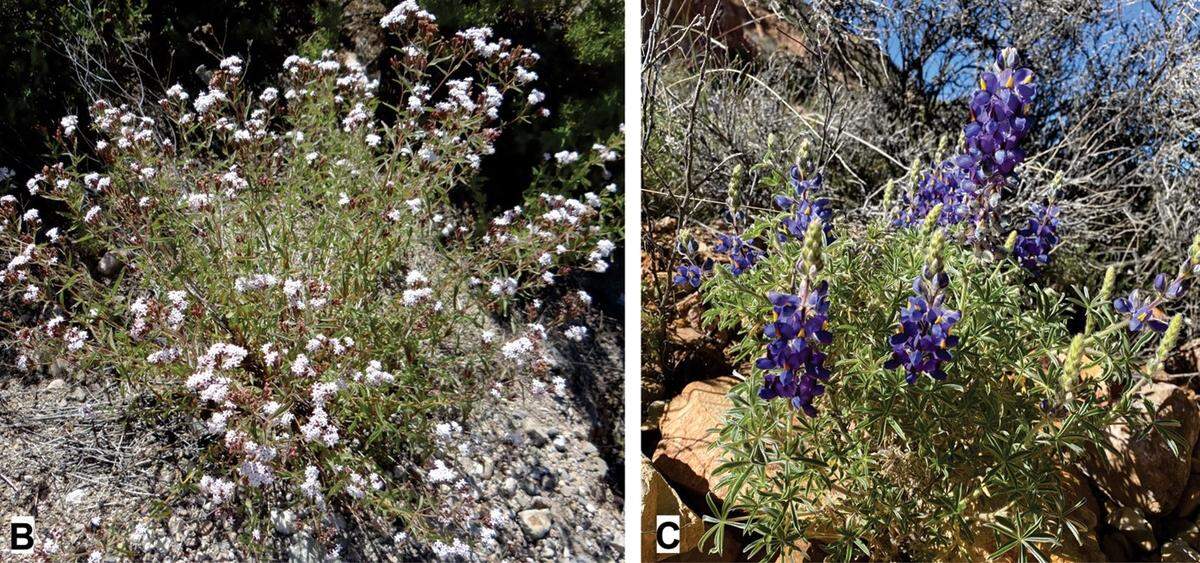
The new species is known to live on flowers of Stevia philippiana and the fruits of Lupinus oreophilus, Vargas said. Larvae were collected from a dry slope of the Andes with an elevation of about 11,100 feet.
Argyrotaenia socoromaensis is named after the region where it was found, near Socoroma Village, which is in northern Chile.