Clawed creature with ‘sucker-like’ genitalia found lurking in cave. It’s a new species
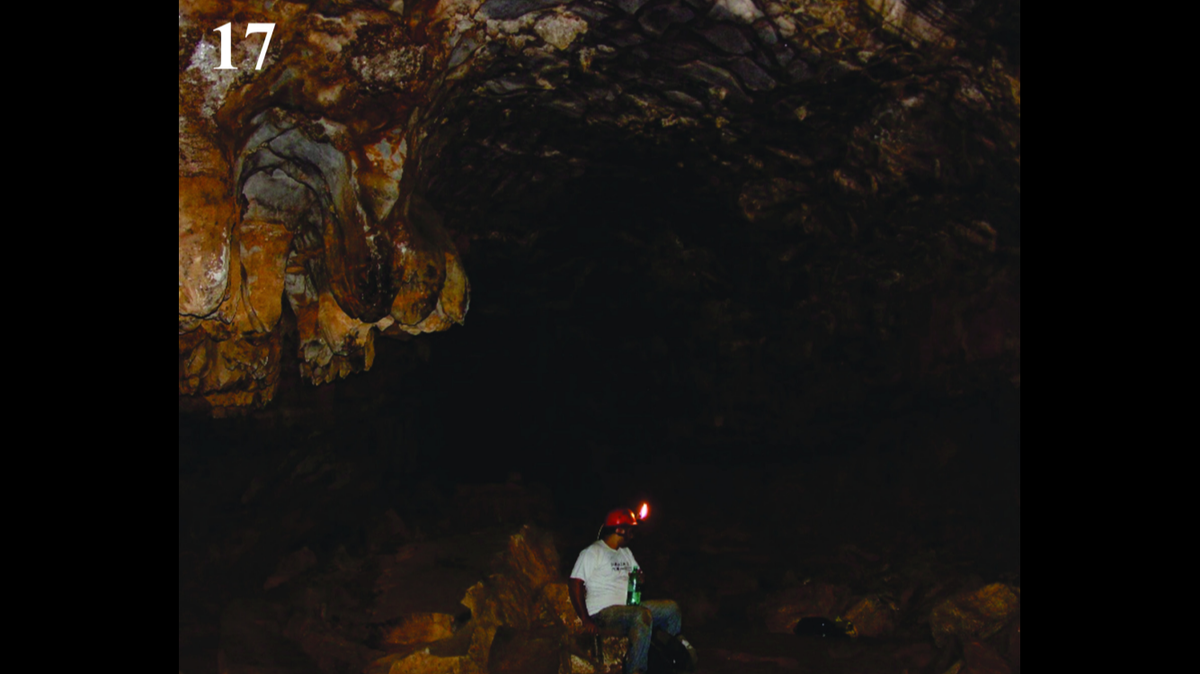
In a darkened cave in Brazil, a clawed creature climbed across rocks. A beam of light swept across the cavern and landed on the spiny animal. Spelunking scientists looked at the illuminated animal — and discovered a new species.
Researchers ventured into the depths of a cave in Tocantins on a wildlife survey in 2013, according to a study published Jan. 15 in the journal Zootaxa. Equipped with headlamps, they explored the labyrinth-like caverns.
Away from the entrance and in a “light-deprived” part of the cave, researchers found a spine-covered spider, the study said.
They took a closer look at the animal and realized they’d discovered a new species: Charinus tocantinensis, or the Tocantins whip spider.
The Tocantins whip spider measures about half an inch in size, researchers said. It has a “large and triangular” body, eight spine-covered legs, several eyes and “long” claws. Female Tocantins whip spiders have external genitalia, known as gonopods, with a “sucker-like” shape.
A photo shows the new species. Overall, it has an “olive green” coloring with some “yellow” and “deep red” hues.
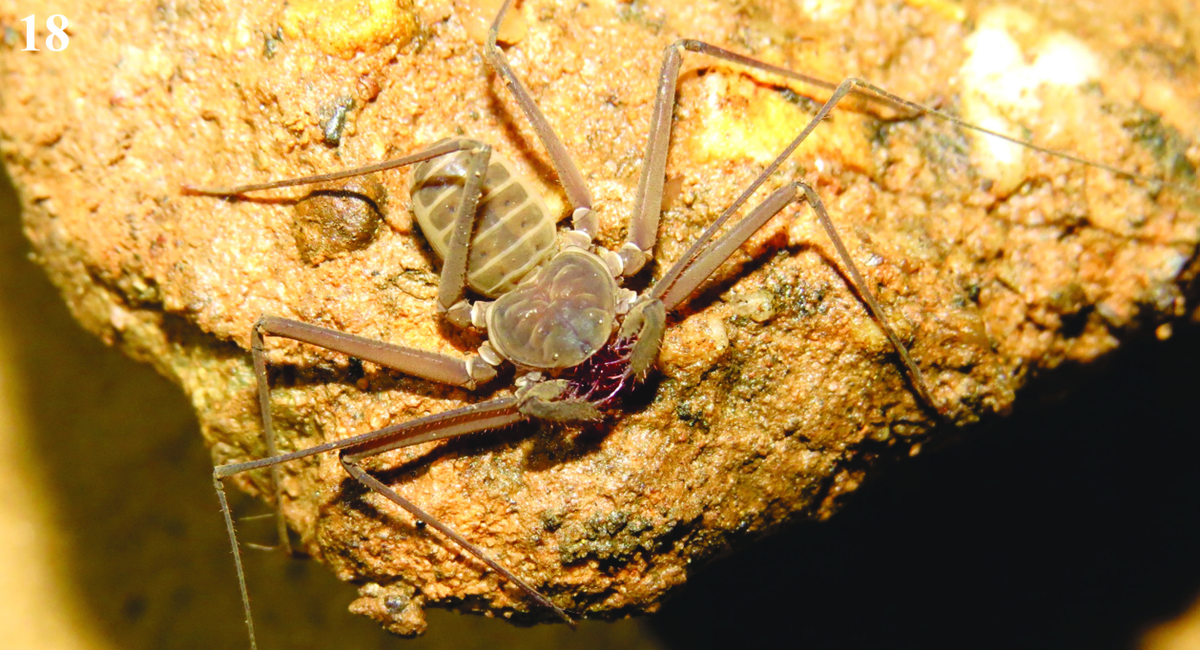
Whip spiders are “generalist predators” that prefer “damp and dimly lit environments,” the study said.
The new species was likely named after Tocantins, the state where it was discovered and the only area where it has been found so far. Tocantins is a central state about 1,000 miles northwest of Rio de Janeiro.
Researchers only found one female Tocantins whip spider and noted the need for “further investigations with a larger sample size.”
The new species was identified by its body shape, eyes, genitalia and claws, the study said.
The research team included Priscila Emanuela De Souza, Paulo César Reis-Venâncio, Richard A. Torres and Rodrigo Lopes Ferreira.