‘Collared’ creature found guarding ‘harems’ of mates in Brazil. It’s a new species
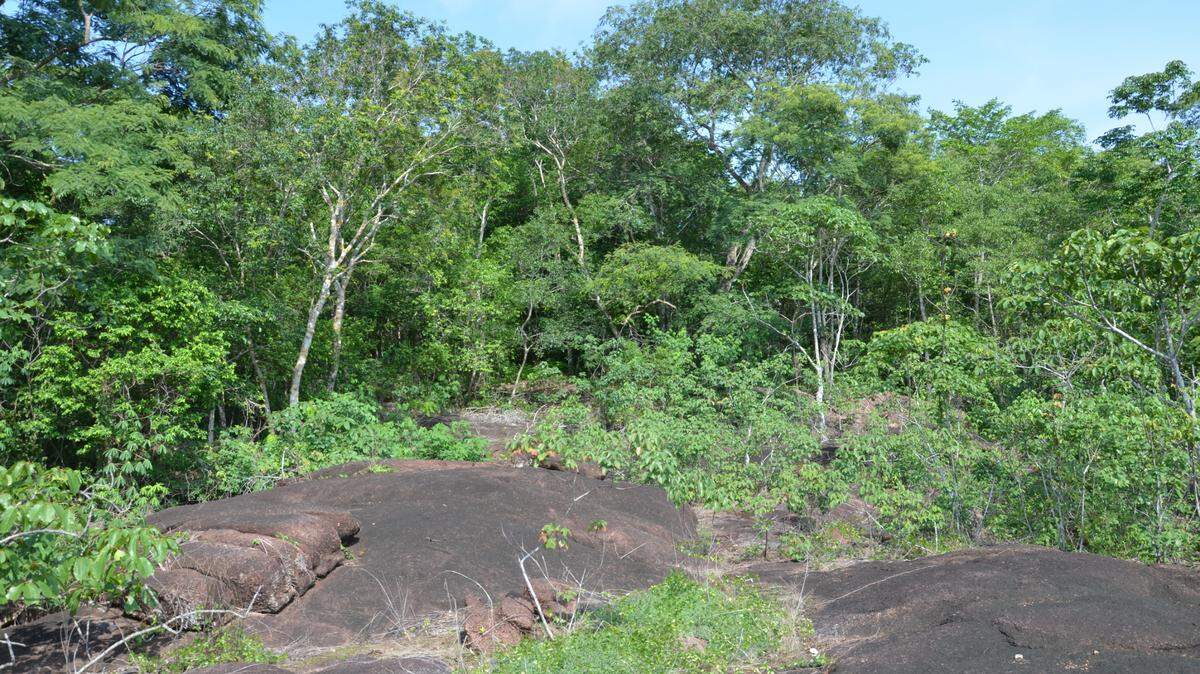
A “collared” creature stood guard on a rocky outcropping in western Brazil. The sunlight beat down on the scaly animal and at times it retreated into crevices. Nearby scientists noticed the defensive animal — and discovered a new species.
Researchers ventured into savannah habitats across Rondônia on a two-week-long survey in 2017, according to a study published Nov. 8 in the Zoological Journal of the Linnean Society.
Scientists had previously encountered a “collared” lizard in these areas but little was known about the animal, the study said. Researchers set out to find this lizard and study it in depth.
Around rocky outcroppings across the region, researchers found over 100 of these lizards. They took a closer look at the animals and realized they’d discovered a new species: Tropidurus madeiramamore, or the Madeira-Mamoré collared lizard.
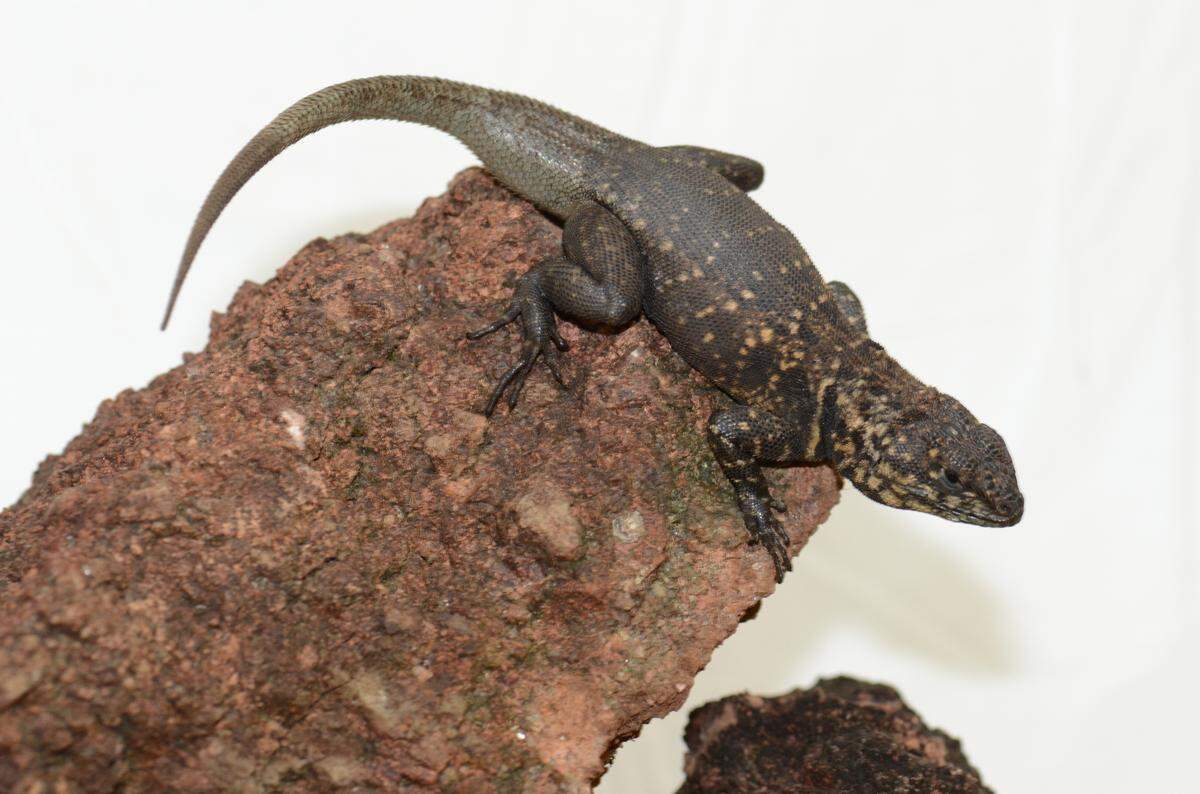
The Madeira-Mamoré collared lizard is considered “medium-sized,” reaching up to 9.7 inches in length, researchers said. In addition, they described it as having a “rounded” snout and “long” claws.
Unlike other collared lizards, the new species does not have one standard color but “20 unique” patterns, researchers said. Its coloring can range from gray to brown with various cream, black and orange spots.
Photos shared with McClatchy News by the study’s lead co-author André Carvalho show some of this variety.
Researchers identified two distinct features that were consistent across Madeira-Mamoré collared lizards: a black band, or “collar,” around its neck and black “flash” marks on the underside of its thighs.
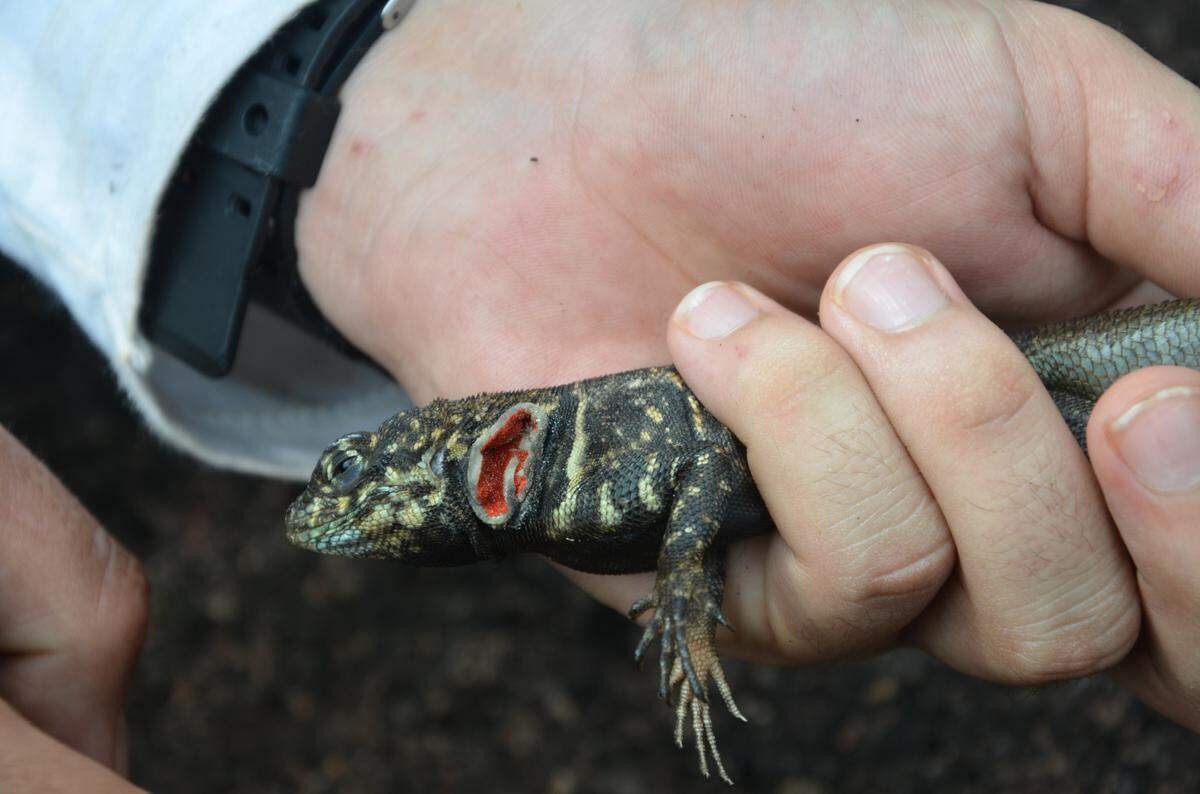
The Madeira-Mamoré collared lizard also has “mite pockets” on either side of its neck, the study said. A photo shows this deep, red-colored mite pocket.
Mite pockets are skin folds on a lizard’s body where mites will live and feed, according to an article from the University of Texas. “Some researchers believe these pockets actually help the lizard deal more efficiently with infestation” by limiting its area.
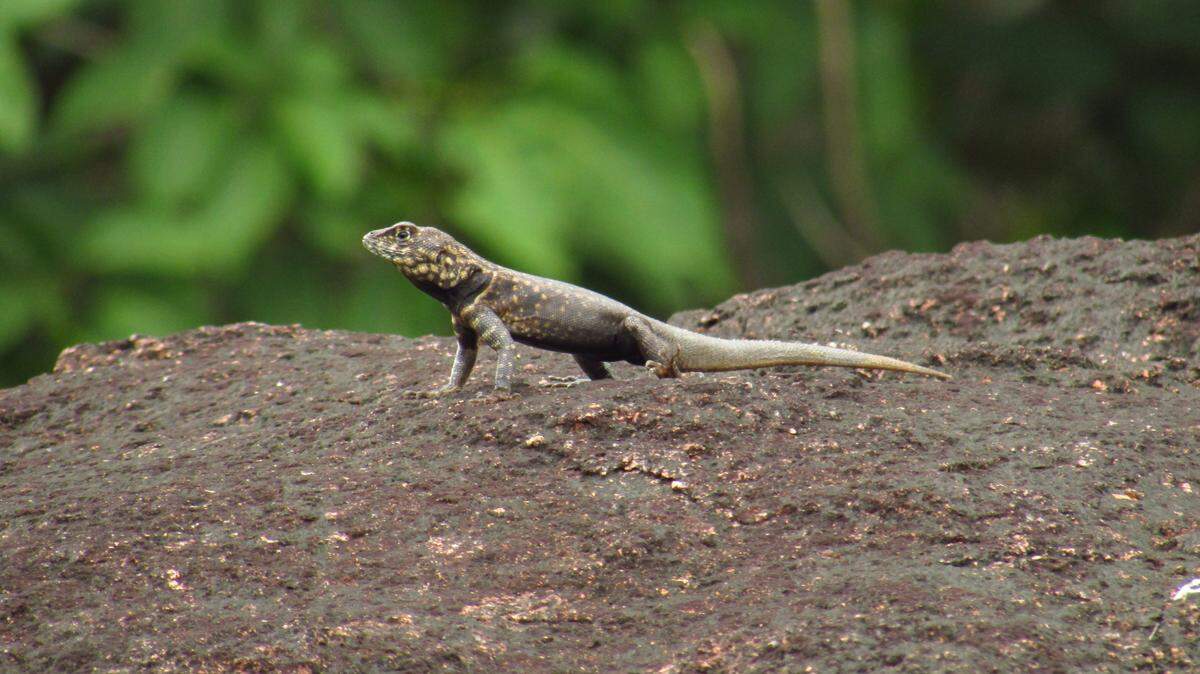
Madeira-Mamoré collared lizards spend most of their time on rocky outcroppings where they defend their territory, regulate their temperature, forage and reproduce, the study said. They also use the rock crevices for “shelters and escape routes.”
Male lizards form “harems” with several female mates and defend their territory from other males, researchers said. “Most” of the female lizards found during the survey were pregnant.
Researchers said they named the new species after the two rivers that mark the limits of its distribution area, the Madeira river and Mamoré river.
The Madeira-Mamoré collared lizard is “locally abundant” and has been found at over 34 sites in the state of Rondônia, the study said. Rondônia is about 1,500 northwest of Rio de Janeiro and along Brazil’s border with Bolivia.
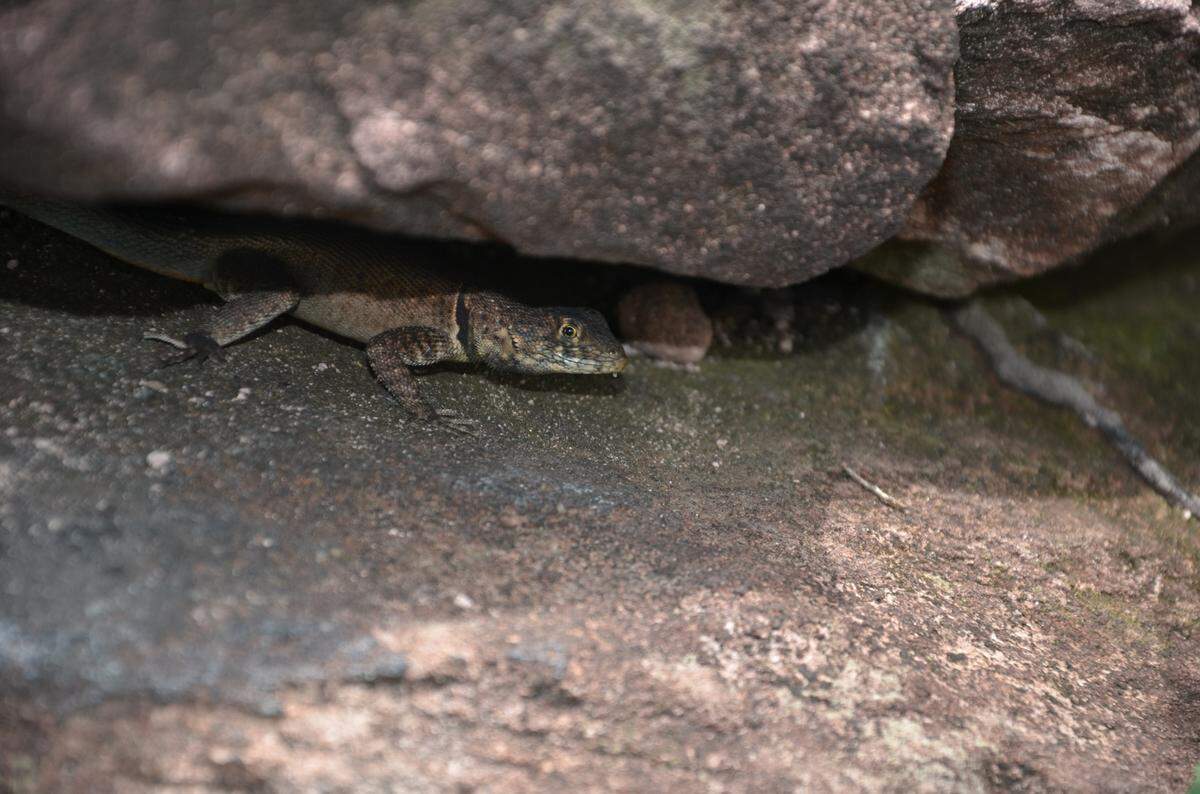
The new species was identified by its mite pockets, scale pattern, variety of coloring, habitat and DNA, the study said.
The research team included André Carvalho, Rafael Paredero, David Villalobos-Chaves, Elaine Ferreira, Miguel Rodrigues and Felipe Curcio.
This story was originally published November 16, 2023 at 10:01 AM.