Tiny creature with ‘ruffled’ genitalia discovered as new species in Indonesia. See it

Barely noticeable in the waters of southeast Asia, a tiny white fish swims along the coast.
The fish is just over half an inch long, hidden in coastal streams flowing into the South China Sea.
Unlike their small relatives, this fish has something that stands out: a brush-like sex organ.
The fish was described as a new species in the Raffles Bulletin of Zoology on Sept. 29.
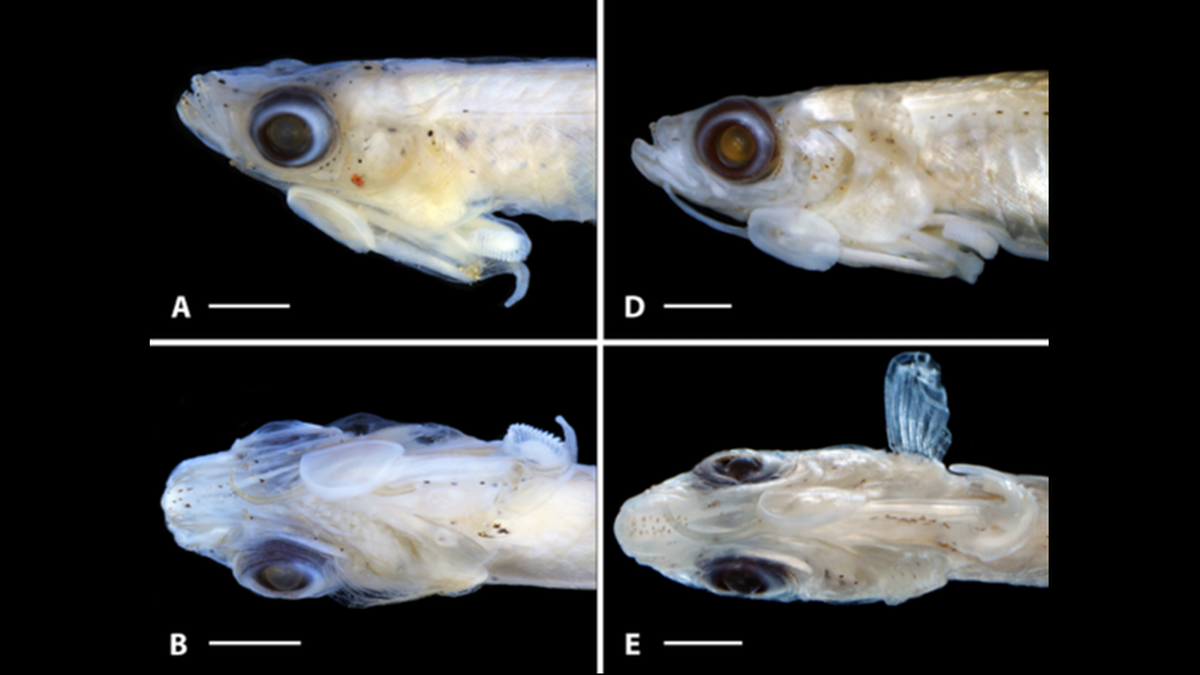
Phenacostethus sikat is part of the priapiumfishes subfamily, according to the study.
Priapiumfishes are known for their external genitalia, ranging in size and shape, researchers said in the study.
The new species has an extended seminal papilla covered in folds. The papilla holds sperm from ducts inside the fish’s body, then creates “sperm balls” that can be released as “free sperm,” according to the study.
The fish earned its name from the Bahasa Indonesia word “sikat,” meaning brush because of the “half-dozen or more … extensions resembling a set of ruffled lace cuffs,” researchers said in the study.
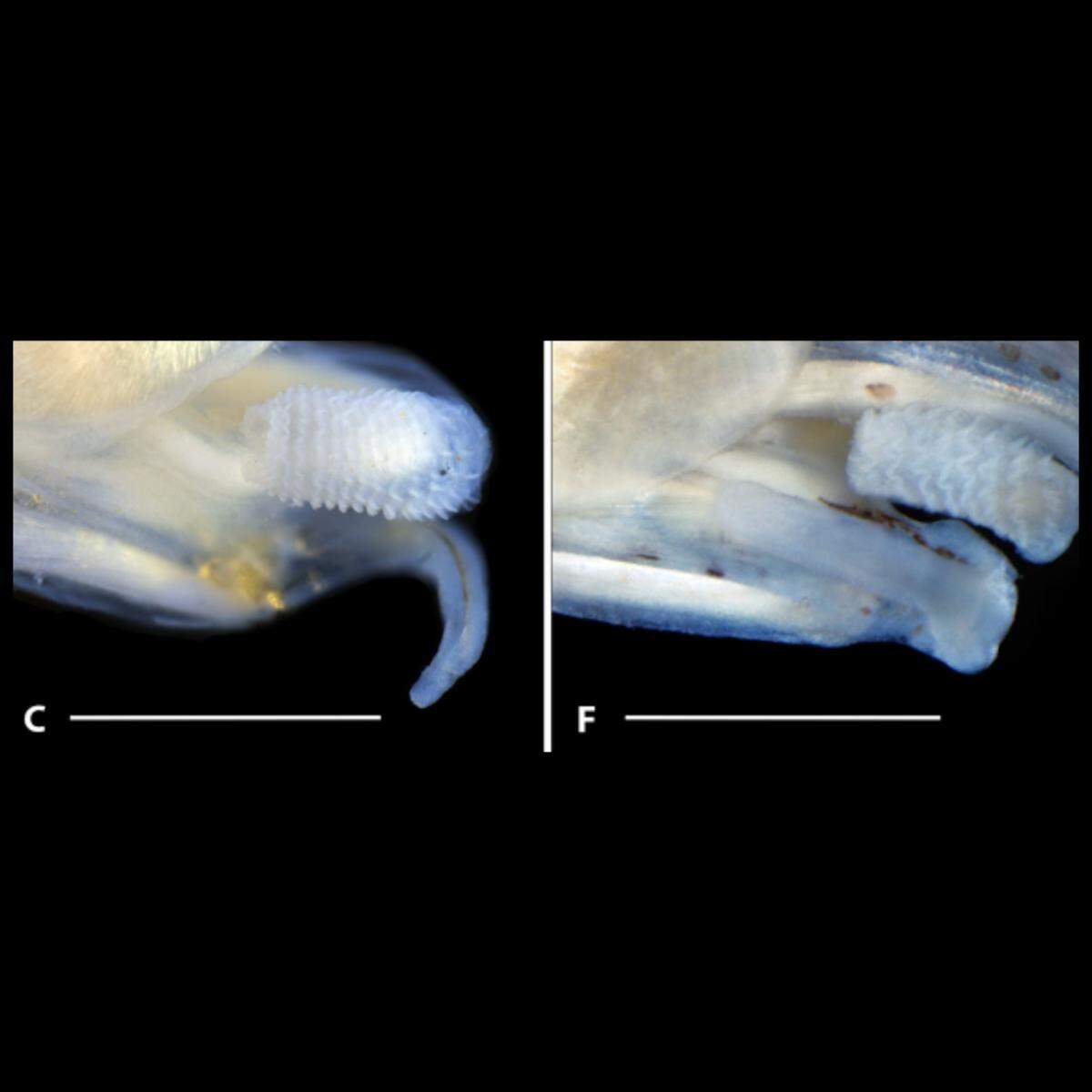
Previous species of the fish subfamily have had eight or sometimes nine folds, but the “sikat” fish has 15 thicker folds, according to the study.
The researchers compared the DNA of the “sikat” fish to previous samples and saw there were significant differences, meaning the fish had been geographically separated from others in the subspecies for an extended period of time, confirming its status as a new species.
The researchers said more samples would need to be taken to better understand the day-to-day lives of the fish, outside of their sexual patterns.
The fish was discovered in Kalimantan Selatan, in the southeastern tip of the territory of Borneo in Indonesia.