Spiky creature found stuck to wall in Indonesian village turns out to be new species

In the cover of darkness, a spiky creature sat stuck to a cement wall in a village of Indonesia. The animal was largely overlooked — until scientists took notice and discovered it was a new species.
Researchers spent two years surveying wildlife in Sumatra Barat, according to a study published July 6 in the journal ZooKeys. While scouring the villages and lowland forests, they noticed a “common but ignored” lizard.
They found 16 of these lizards stuck to a village wall, a sheet of metal, tree trunks and branches at night, the study said. Taking a closer look, researchers realized they’d discovered a new species: Cyrtodactylus gonjong, or the Gonjong bent-toed gecko.
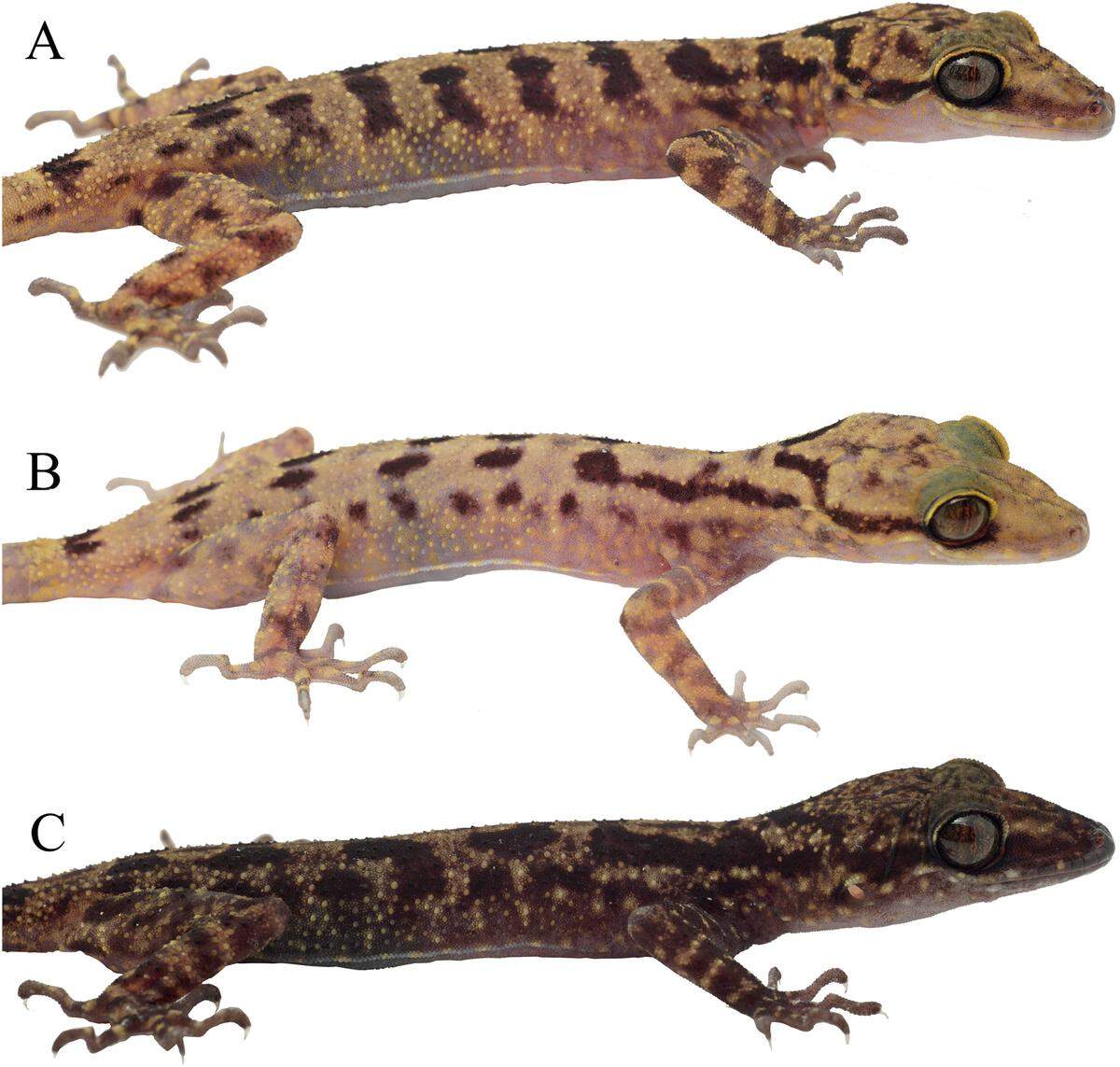
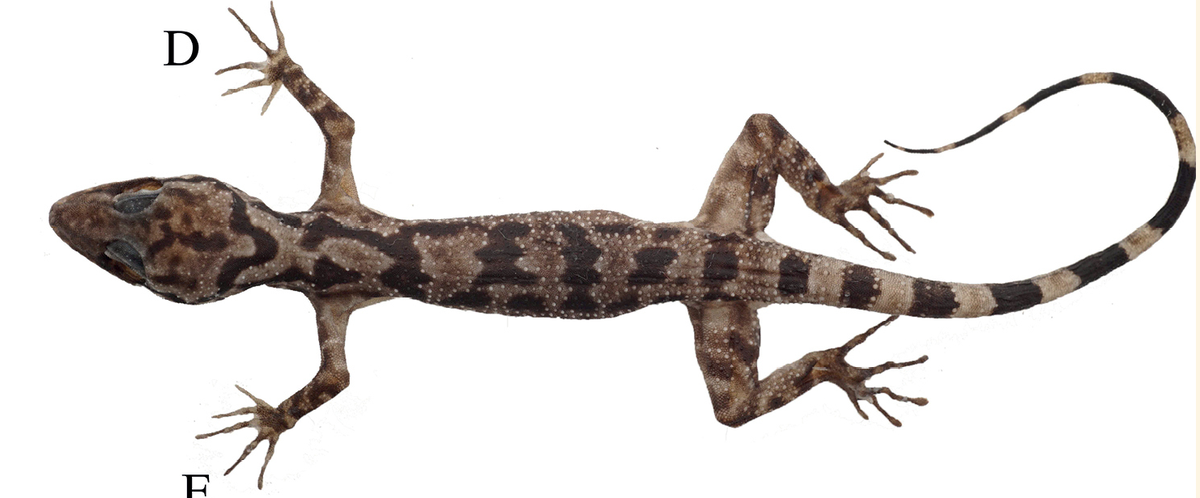
Reaching about 5.6 inches in size, the Gonjong bent-toed gecko has a “slender” body and “ringed” tail, researchers said. Its head has a “triangular shape” and spiky bumps run along its back.
The gecko varies in color from “beige to weak yellow” to brown, the study said and photos show. It has darker brown stripe-like blotches along its back and limbs.
Gonjong bent-toed geckos were named after “the roof style of the typical house in Sumatra Barat created by its ethnic people,” the Minang people, researchers said. This “unique style of the roof shape” is known as “gonjong” and “was inspired by the horn of buffalo, the most respected animal in Minang ethnology.” A representative photo shows this architecture style.
Gonjong roofs have “become a symbol used by the Minang people to show their ethnic identity,” the study said. Researchers chose this name for the new species “to honor the Minang people because they were helpful during our survey.”
The new species was recognized as distinct based on its size, scale pattern and body coloring, the study said. DNA analysis confirmed the new species had more than 17% genetic divergence from other gecko species.
“The lowland region of Sumatra Barat has received little attention in previous biodiversity studies,” researchers said. Sumatra Barat is a province on the western side of Sumatra island and about 730 miles northwest of the capital city of Jakarta on the island of Java.
Because of the lack of surveys focusing on this region, researchers said “the true diversity of Cyrtodactylus (geckos) is highly underestimated.”
The research team included Fitra Arya Dwi Nugraha, Yuni Ahda, Djong Hon Tjong, Nia Kurniawan, Awal Riyanto, Muhammad Alif Fauzi and Si-Min Lin.
Many of these researchers were also involved in the discovery of a small new species of gecko in a Sumatra nature reserve.
This story was originally published July 7, 2023 at 12:40 PM.