Tourist sees something crawling on leaf during night hike — and discovers new species
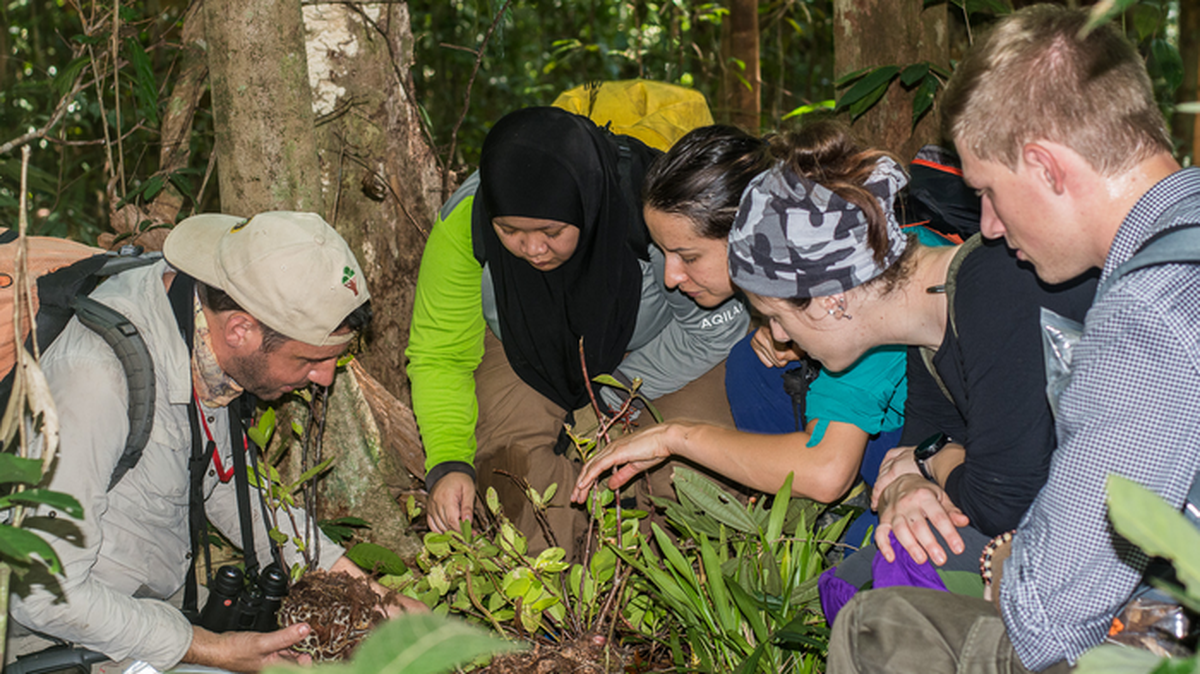
Walking through a humid forest in Brunei, a group of tourists followed their guide on a night hike. Something caught the attention of one of the tourists — and led to the discovery of a new species.
The group of “citizen-scientists” were on a nature trip led by Taxon Expeditions and in collaboration with the Universiti Brunei Darussalam, according to an April 10 news release from EurekAlert.
Simon Berenyi, who works at a pest control company in the U.K., was on the night hike, the release said. Along the way, he stopped to hold a dead leaf out of the way of the trail.
The group passed under the leaf without a second glance, but something caught Berenyi’s attention, the release said.
“Oi, is that a slug?” he said.
Berenyi picked up “a slimy, well-camouflaged mollusc” for the group’s expert to take a closer look, the release said.
The animal was identified as a semislug, a slug-like creature with a snail-like shell that is too small for it to live in, per the release. Further research, including DNA analysis, confirmed the expert’s initial assessment: This was a new species.
The new semislug species was named Microparmarion sallehi, according to a study published in the Biodiversity Data Journal.
Reaching about 1 inch in length, the semislug has a yellow-brown coloring with darker brown patterns on top. The animal’s darker-brown shell is “fingernail-like” with no spirals on it, the study said.
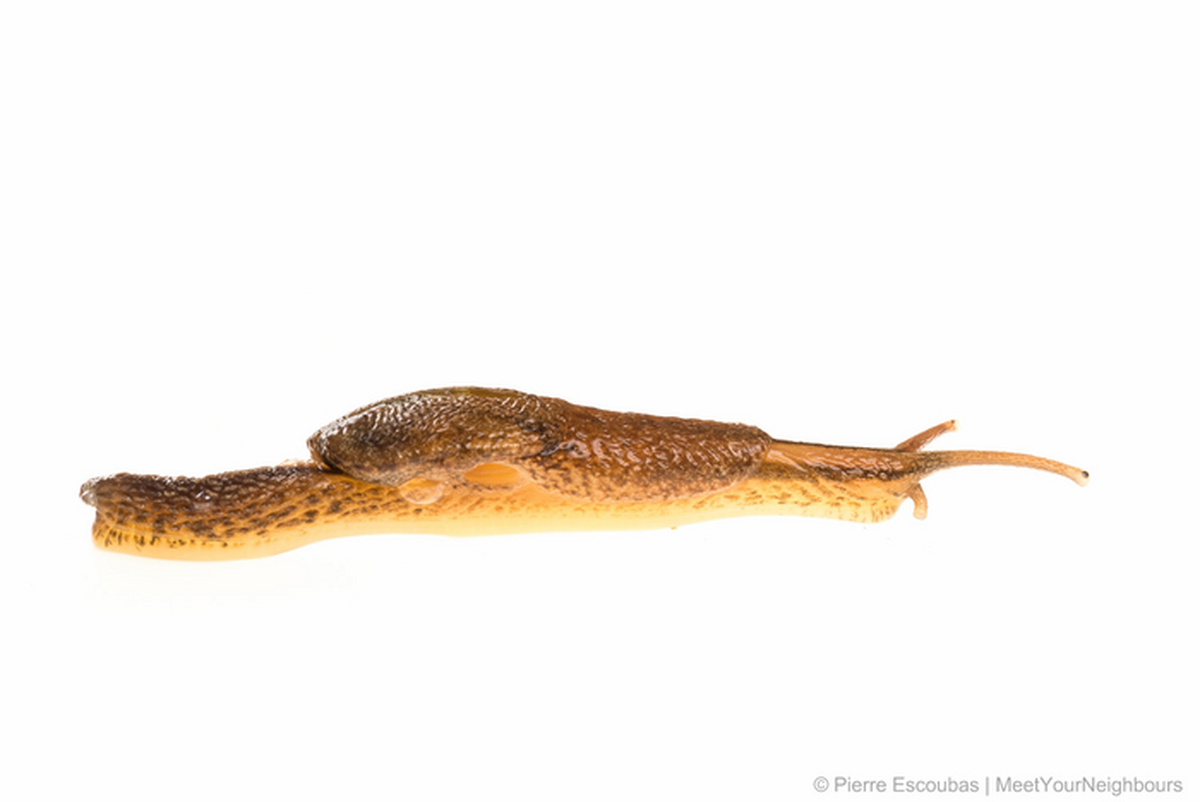
The “elusive,” nocturnal creature was most active around twilight and found crawling along leaves and vines, researchers said.
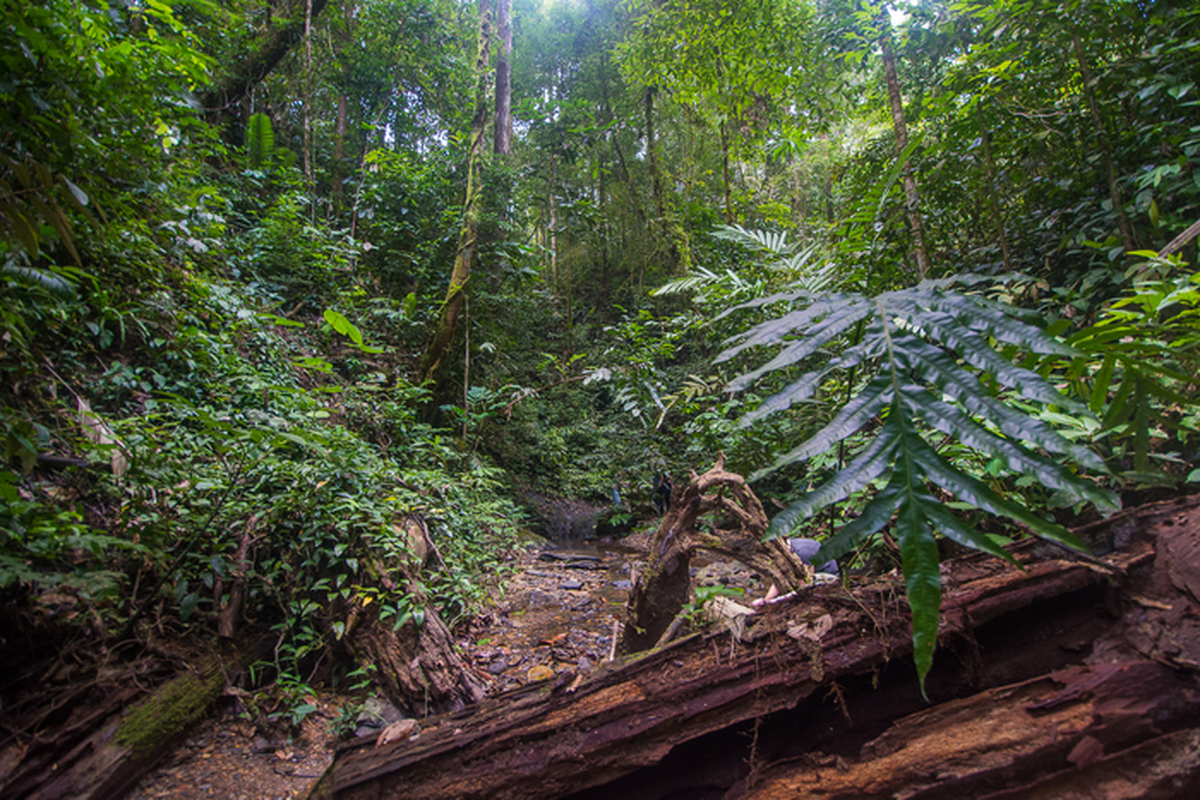
The Microparmarion sallehi semislug was discovered in the Ulu Temburong National Park of eastern Brunei, a southeast Asian country located on the island of Borneo. Brunei also shares the island with Malaysia and Indonesia.
The animal’s habitat — a warm, “lowland forest” — and the lack of swirls on its shell distinguished it from other similar species, the study said. Other semislugs known to inhabit Borneo live in the cooler mountain forests and have spirals on their shells.
The Microparmarion sallehi semislug was named after Md Salleh Abdullah Bat, the retiring supervisor of the field center near where the species was discovered, researchers said. “Salleh himself agrees that it is indeed a very fitting farewell gift,” the release said.