1,800-year-old Roman pools buried under a house in Spain are reopening. Look inside
Once filled with splashing water and contented bathers, an ancient pool complex in Spain has remained buried and neglected for centuries. Not anymore.
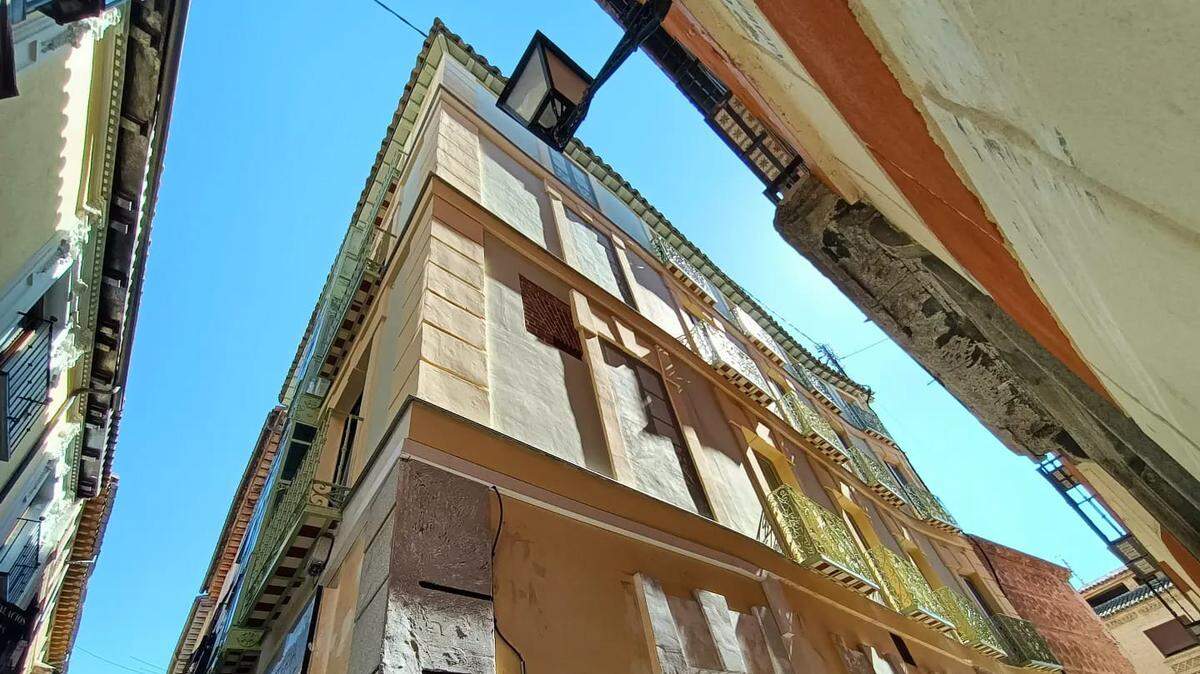
Tucked along the corner of two narrow streets in Toledo sits a colorful house. The tan and pale yellow facade of the four-story building has numerous balconies and a shop on street level, photos shared by the Toledo Consortium show.
Beneath the warm exterior, there’s more to the home than meets the eye.
Archaeologists excavated the house’s basement and uncovered the ruins of a large Roman bath house constructed in the second century A.D., the Toledo Consortium said in a Thursday, March 9, news release.
Excavations of the bath house have unearthed a two-floored complex, the city said in an earlier release. The ruins reached about 20 feet below the modern building and had been buried for centuries.
Archaeologists found several cold water pools, also called frigidarium, on the top floor and service galleries on the lower floor. Photos show the crumbling, grime-covered structures.
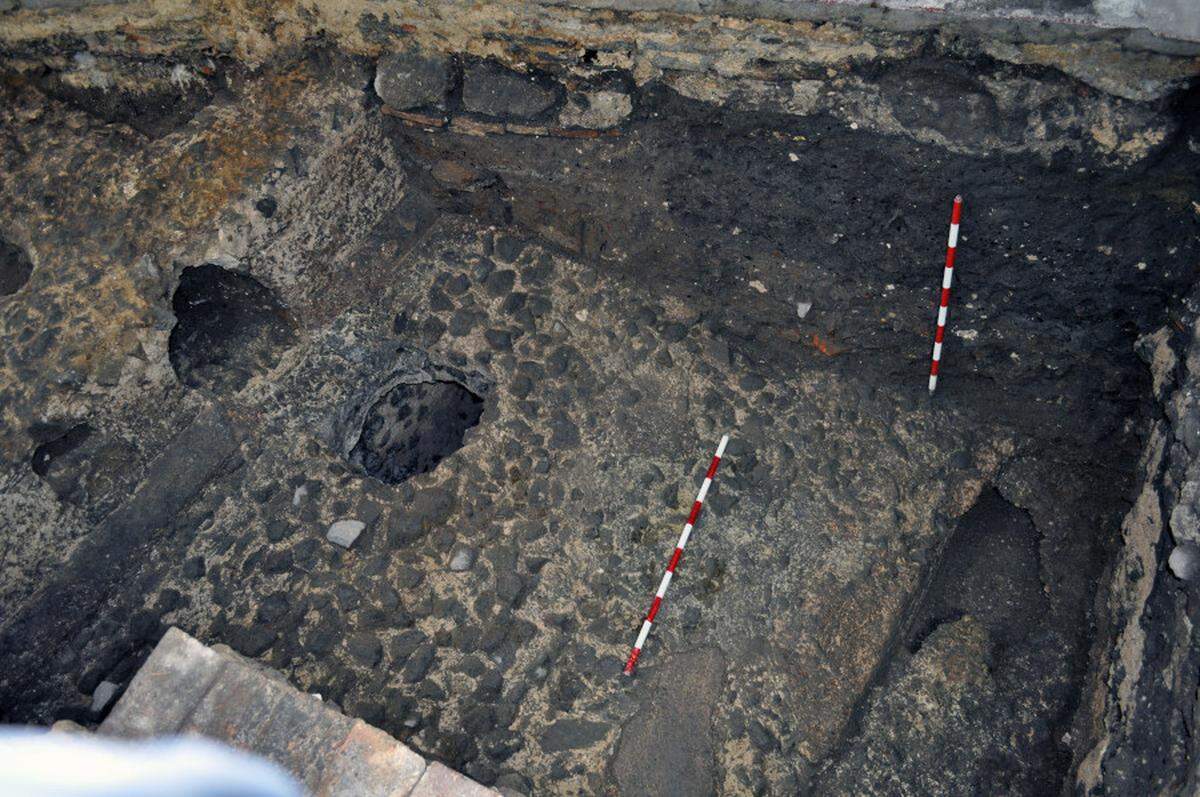
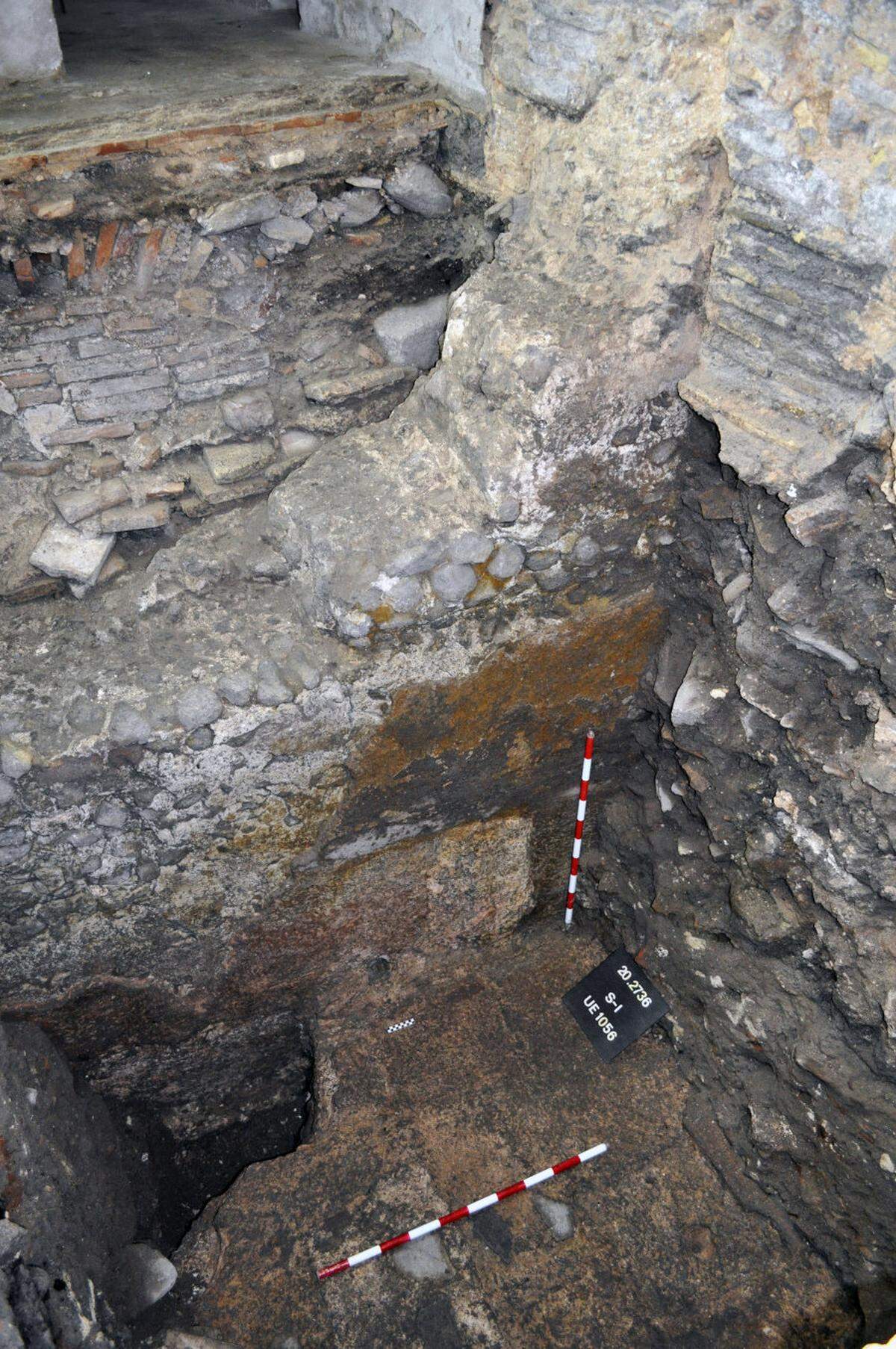
The lower galleries functioned as a kind of network where workers would pass through without being seen by bathers, experts said. The workers would add fuel to and clean out the ovens that heated the pools up above as well as manage the water levels in the pools.
Some of these supply pipes – both for water and sewage – were uncovered among the ruins. A column base, decorative marble architecture fragments and highly valuable ceramics were also found below the house, archaeologists said.
Roman bath houses, also called thermae, were large, standardized complexes where people bathed, relaxed and engaged in social activities, according to Britannica. The buildings typically had three different types of pools: hot pools, warm pools and cold pools. Although the exact order of activities is debated, thermae visitors would undress and exercise, then move through the three types of pools in decreasing temperature.
City officials described the 1,800-year-old pools as the most important Roman public bath complex found in Spain to date. Restoration work has prepared the complex to be reopened to the public.
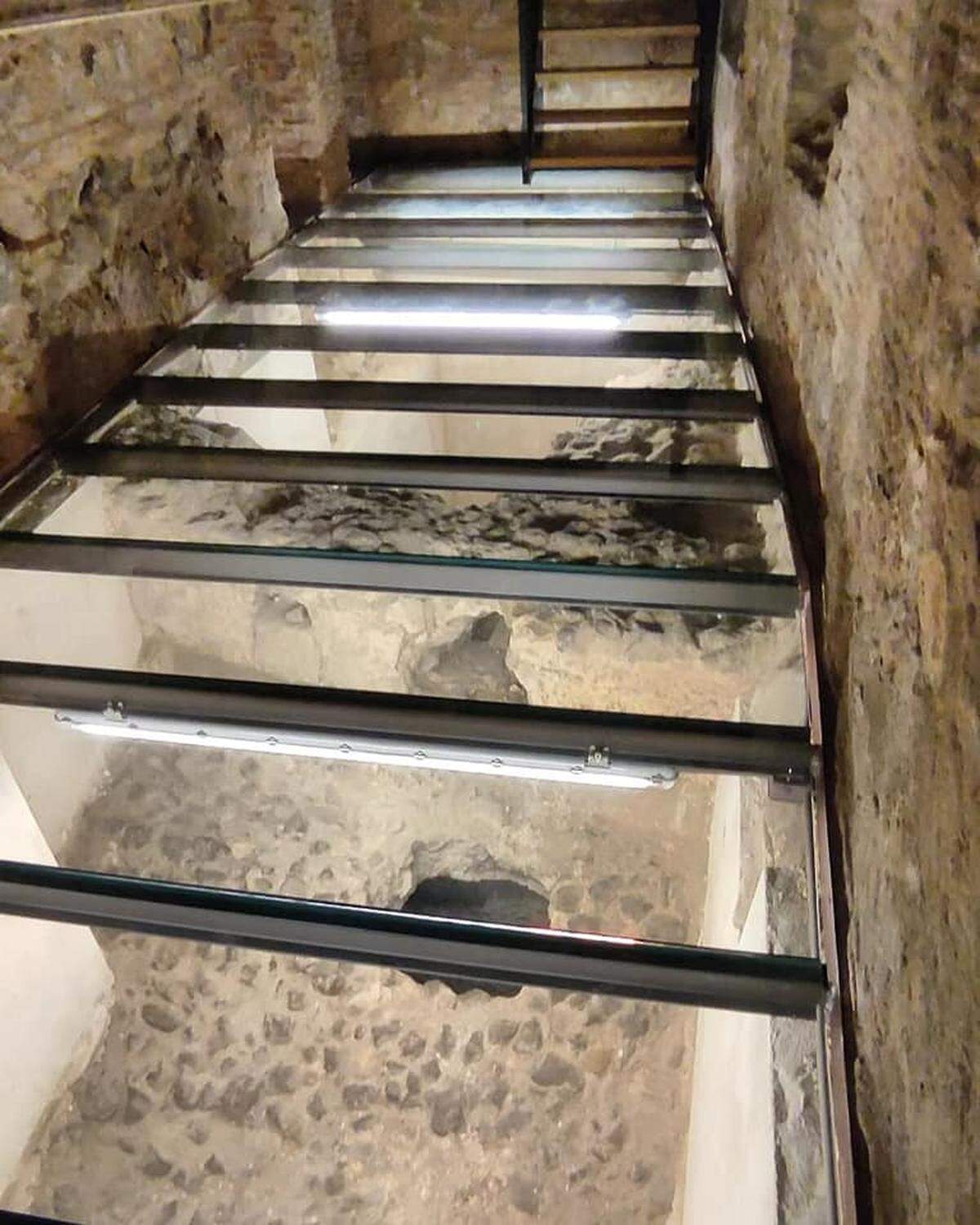
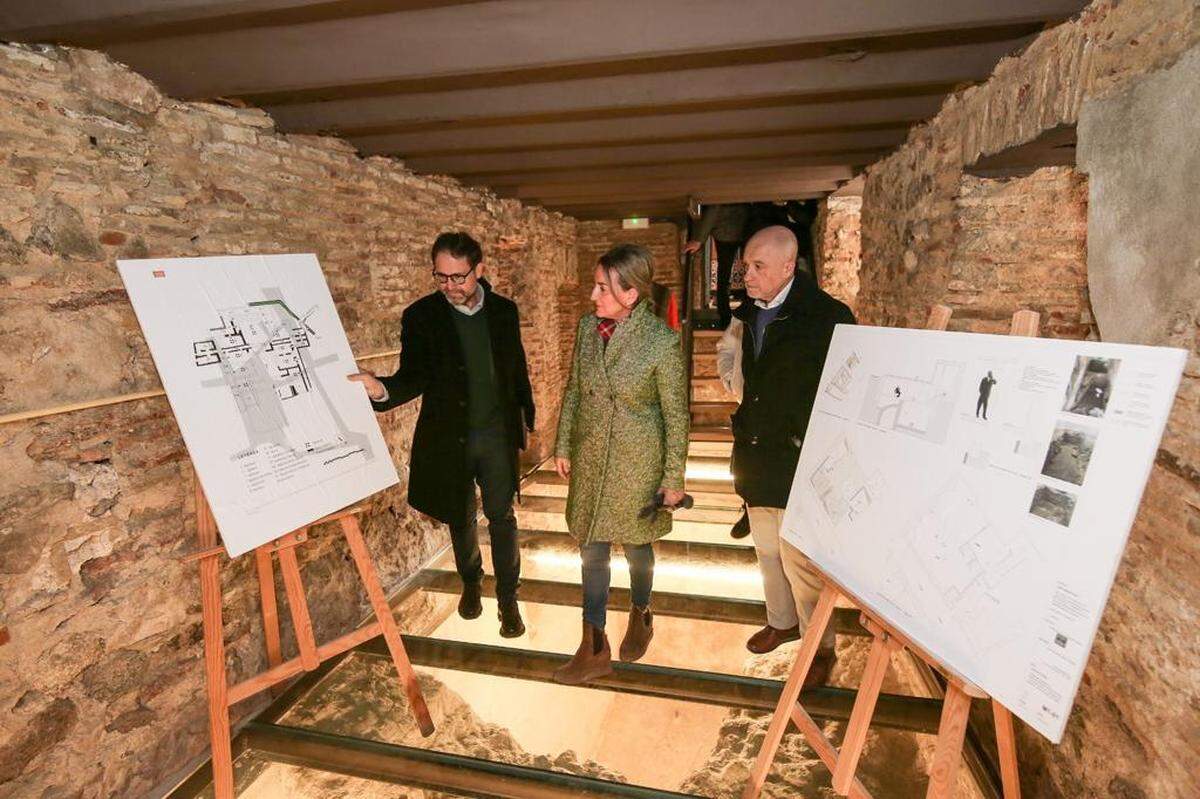
Photos show a glass walkway running over the pools, allowing visitors to look directly into the ruins. Other photos show a pale pink-orange portion of the ruins with a marble fragment sitting on the ground.
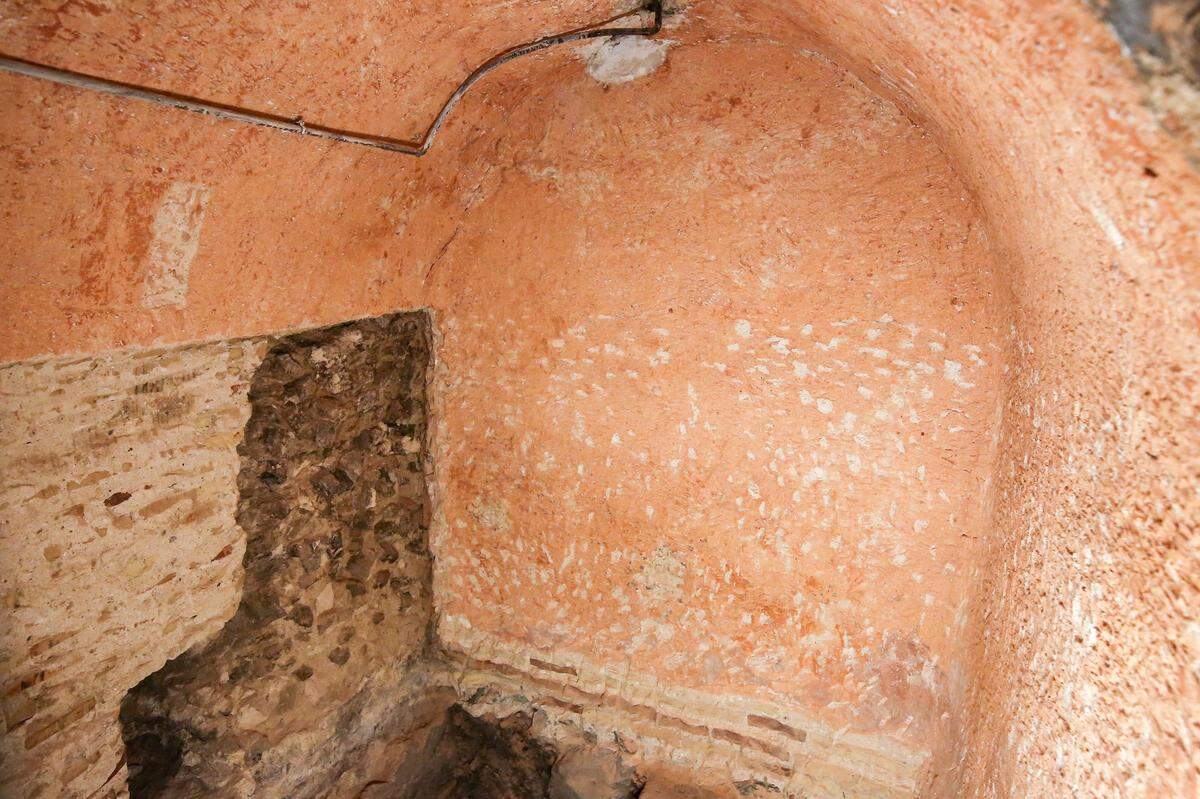
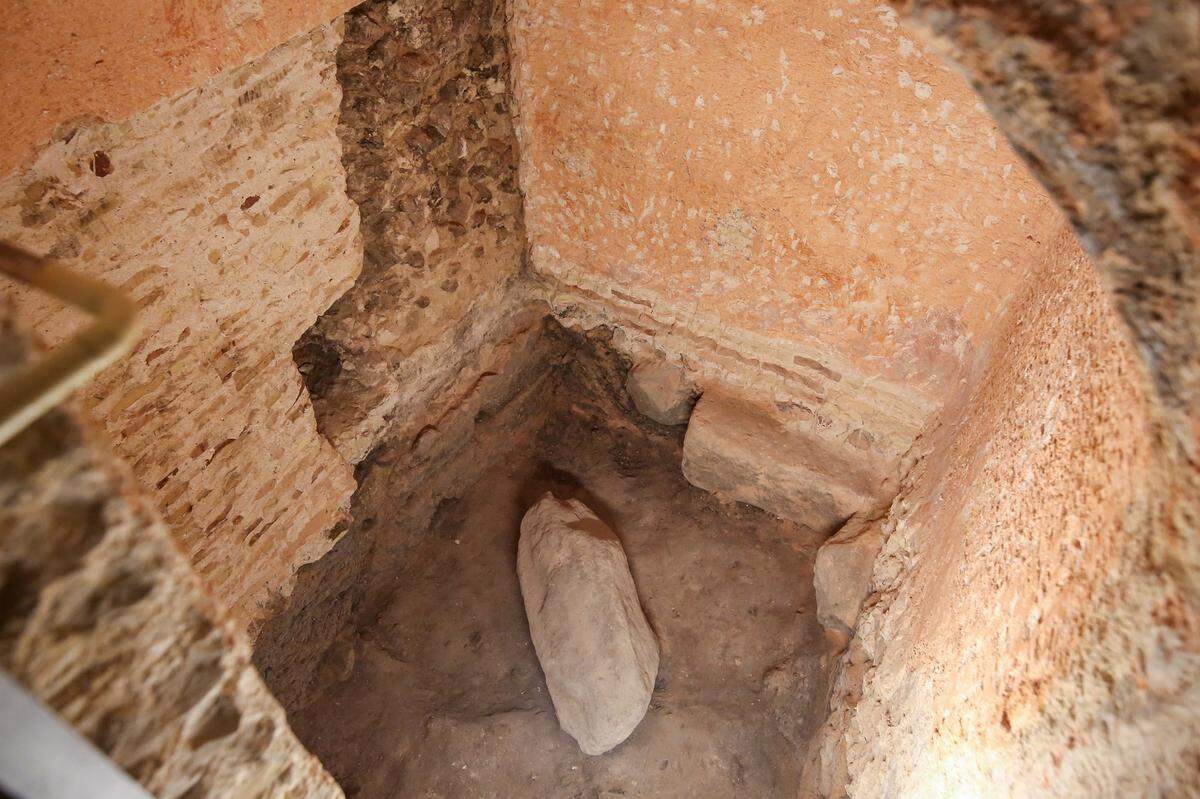
The city government will begin offering organized tours of the bath complex after Easter, which is celebrated on Sunday, April 9. The mayor of Toledo, Milagros Tolón, visited the site ahead of the reopening, sharing photos on Facebook
Excavations and restoration of the Roman pools is ongoing, city officials said.
Toledo is about 45 miles southwest of Madrid.
Google Translate and Facebook Translate were used to translate news releases from the Toledo Consortium. Facebook Translate was used to translate posts from Milagros Tolón, the mayor of Toledo.