The Eiffel Tower is going dark at night — and it’s not the only landmark to do so. Why?
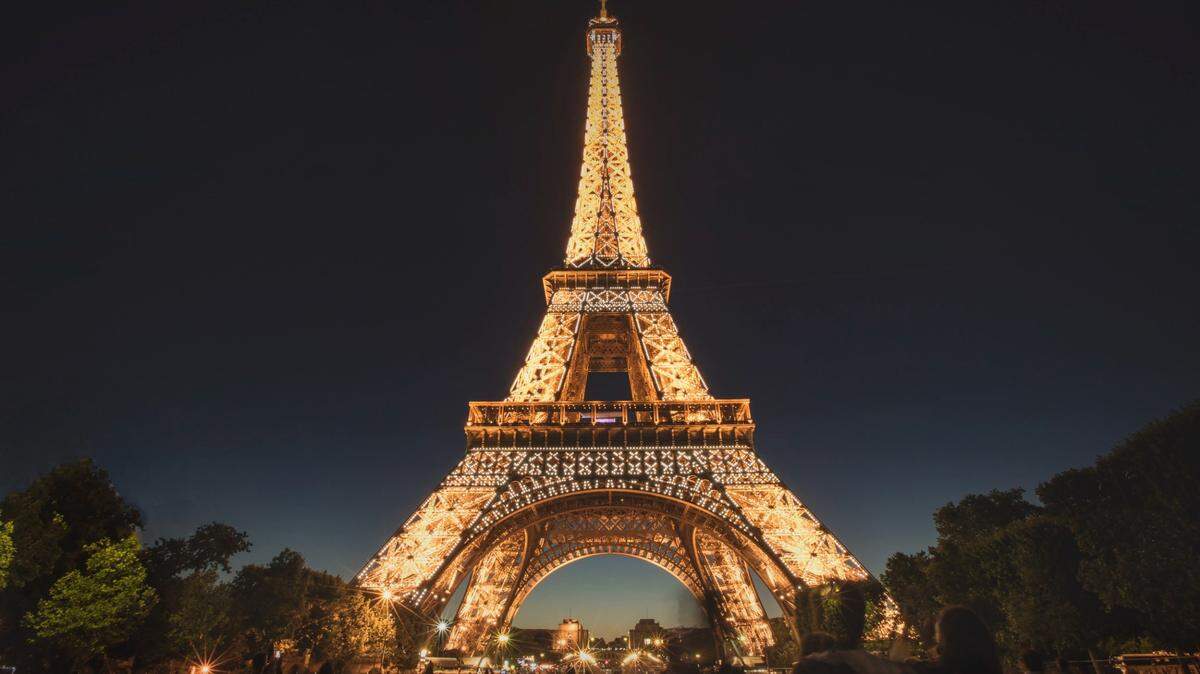
Paris’ iconic landmark – the Eiffel Tower – will start going dark earlier, the city’s mayor announced.
Usually, the site is illuminated after nightfall until 1 a.m., according to the Eiffel Tower’s website. The warm, golden glow of over 20,000 light bulbs sparkles for five minutes every hour until the 10 minute finale at 1 a.m., the website says.
Not this winter.
The French city’s mayor, Anne Hidalgo, announced a series of “sobriety” measures intended to conserve energy, ABC News reported.
The Eiffel Tower’s light show will end at 11:45 p.m., Hidalgo said in a series of Tweets on Tuesday, Sept. 13. Other municipal buildings will turn their external lights off at 10 p.m., but public lighting will remain, she said.
France, like much of Europe, is struggling amid an energy crisis stemming from the ongoing war in Ukraine that has led to a restricted power supply from Russia and rising energy costs, The Guardian reported.
Berlin, Germany, announced a similar energy conservation initiative on July 30, DW reported. The city switched off the external lights on 200 buildings and landmarks, a total of 1,400 spotlights, AFP reported.
Video footage from AFP on Aug. 15 showed the darkness cloaking Berlin’s Victory Column and Cathedral.
On the other side of the Eurasian landmass, the skyline in Shanghai, China, went dark for two nights, Bloomberg reported on Aug. 23. The city’s iconic waterfront, called “The Bund,” did not light up, leaving the Oriental Pearl Tower and Shanghai Tower without their usual colorful display, the outlet reported.
These power cuts came as the southwestern region of China struggled under a drought and heatwave that led its hydroelectric power supply to dwindle, Reuters reported.
Google Translate was used to translate tweets from Anne Hidalgo.