1.8 million-year-old human tooth unearthed at archaeology site in Eurasia, experts say
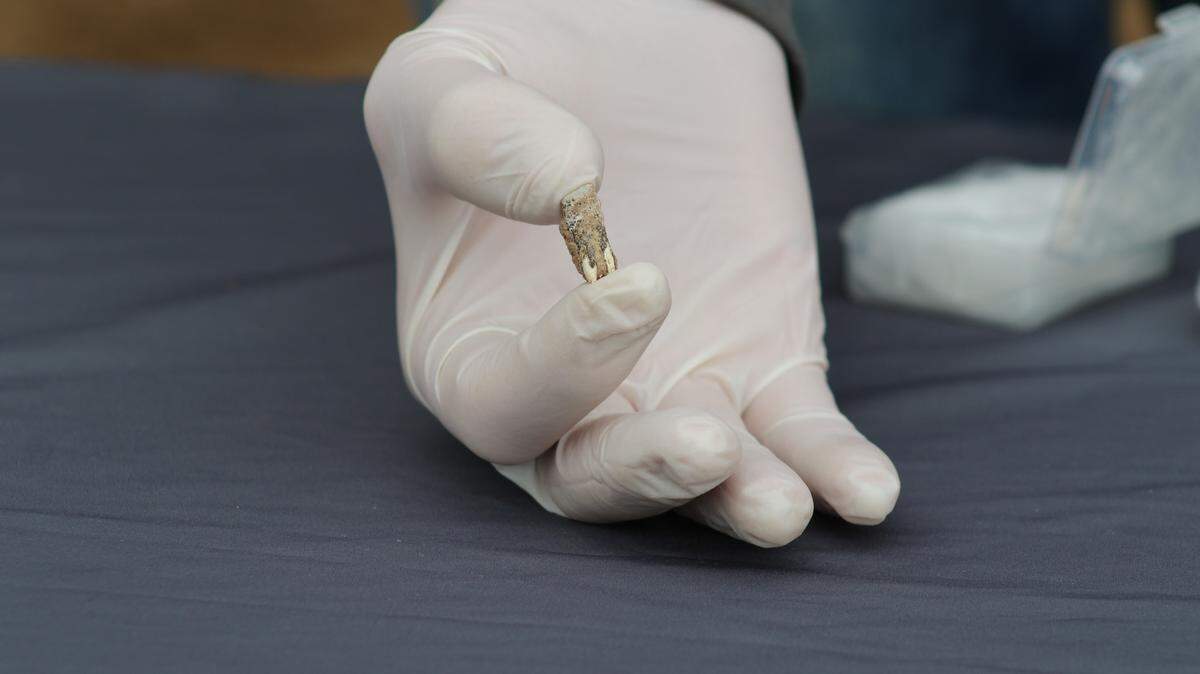
Archaeologists unearthed a tooth belonging to an early species of humans at a dig site in the Eurasian country of Georgia.
The tooth – coming from the lower jaw of homo erectus – is 1.8 million years old, Georgian news outlet Agenda reported.
The find has “international significance,” archaeologists told Agenda. The tooth provides the earliest evidence of human settlements outside of Africa, Reuters reported.
Archaeologists presented the find from the Orozmani dig site about 62 miles southwest of the capital of Tbilisi, the Municipality of Dmanisi posted on Facebook on Sept. 8. Photos show the worn, slightly yellow tooth, and the tan-colored ground from which it emerged.
“Orozmani, together with Dmanisi, represents the centre of the oldest distribution of old humans – or early Homo – in the world outside Africa,” the National Research Centre of Archaeology and Prehistory of Georgia told Reuters.
Excavations at Orozmani began in 2021 and have previously uncovered stone tools and extinct animals, the Municipality said.
Georgia is one of the former republics of the Soviet Union and is located northeast of Turkey.
Facebook Translate was used to translate Facebook posts from the Municipality of Dmanisi.