Dinosaurs with toothless beaks and feathers? Scientists unearth parrot-like creature
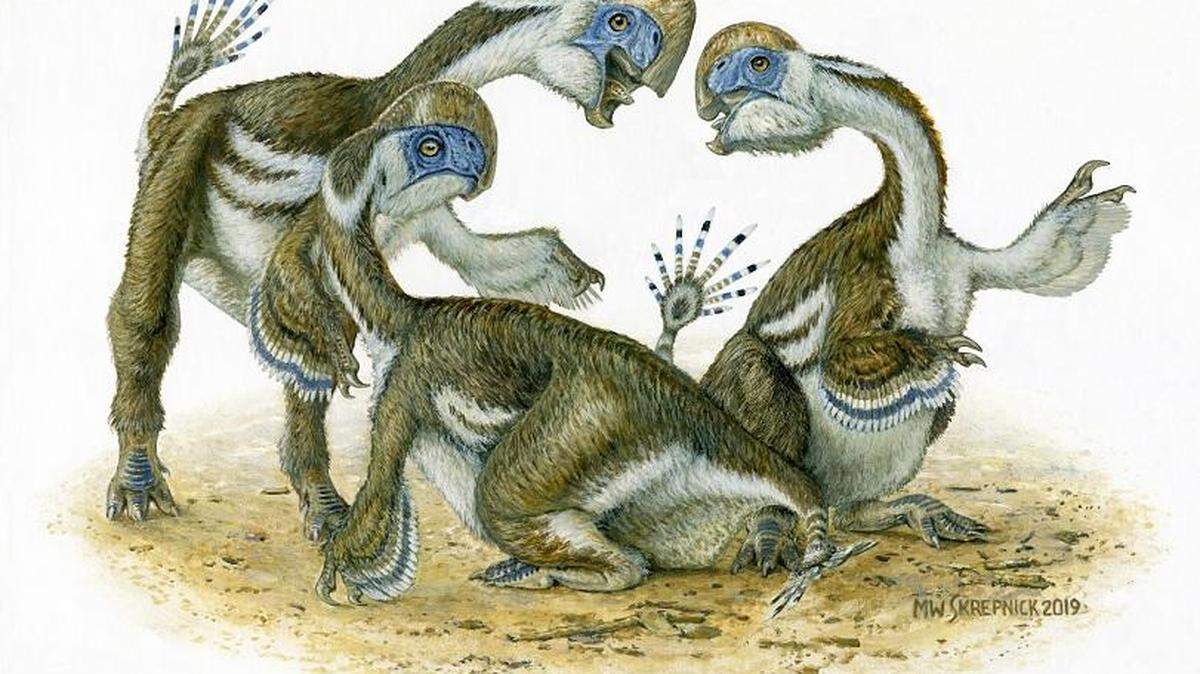
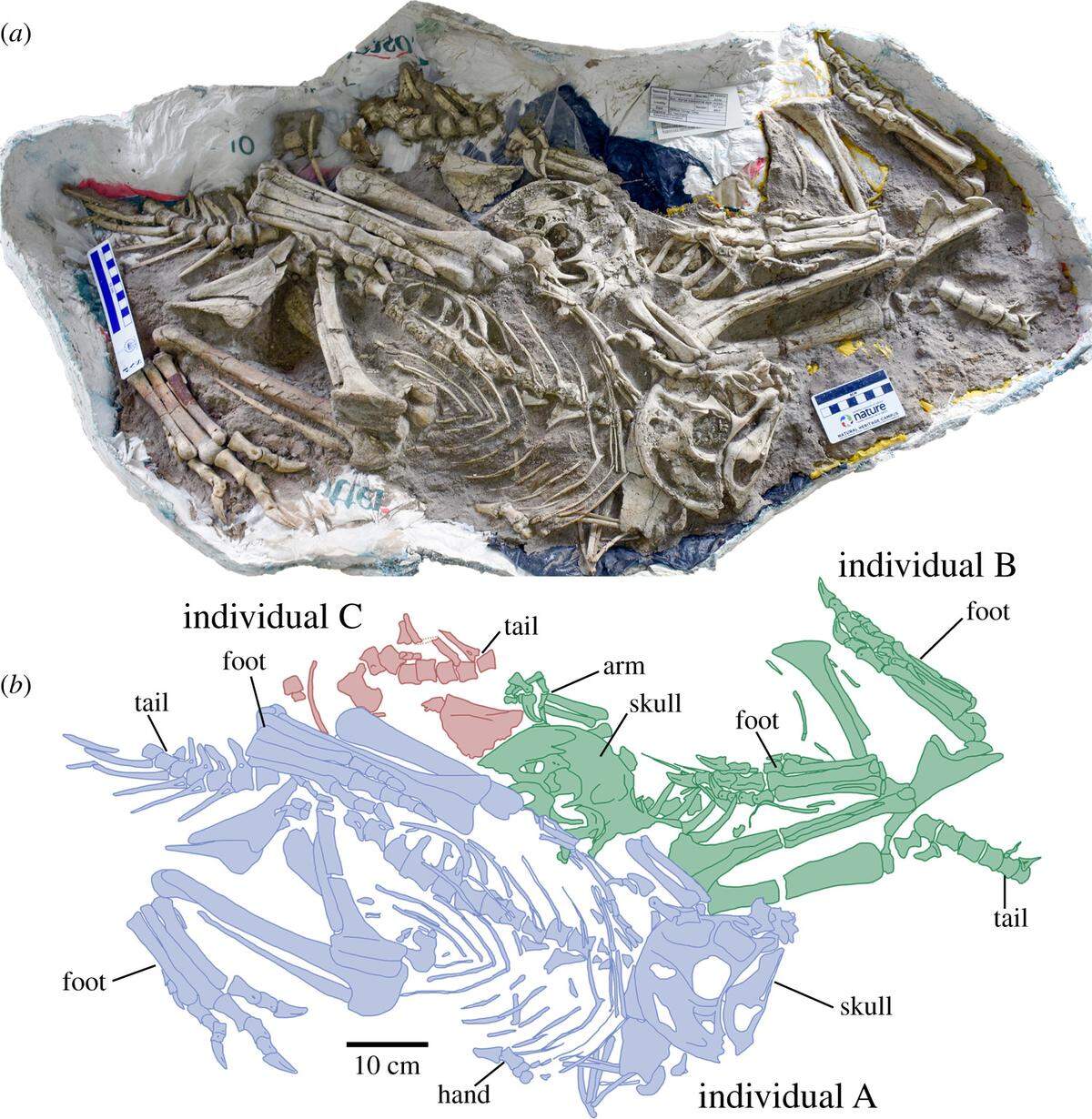
A team of international archaeologists unearthed several complete skeletons of what they call a parrot-like dinosaur that roamed Mongolia 68 million years ago, sporting feathers and a toothless beak.
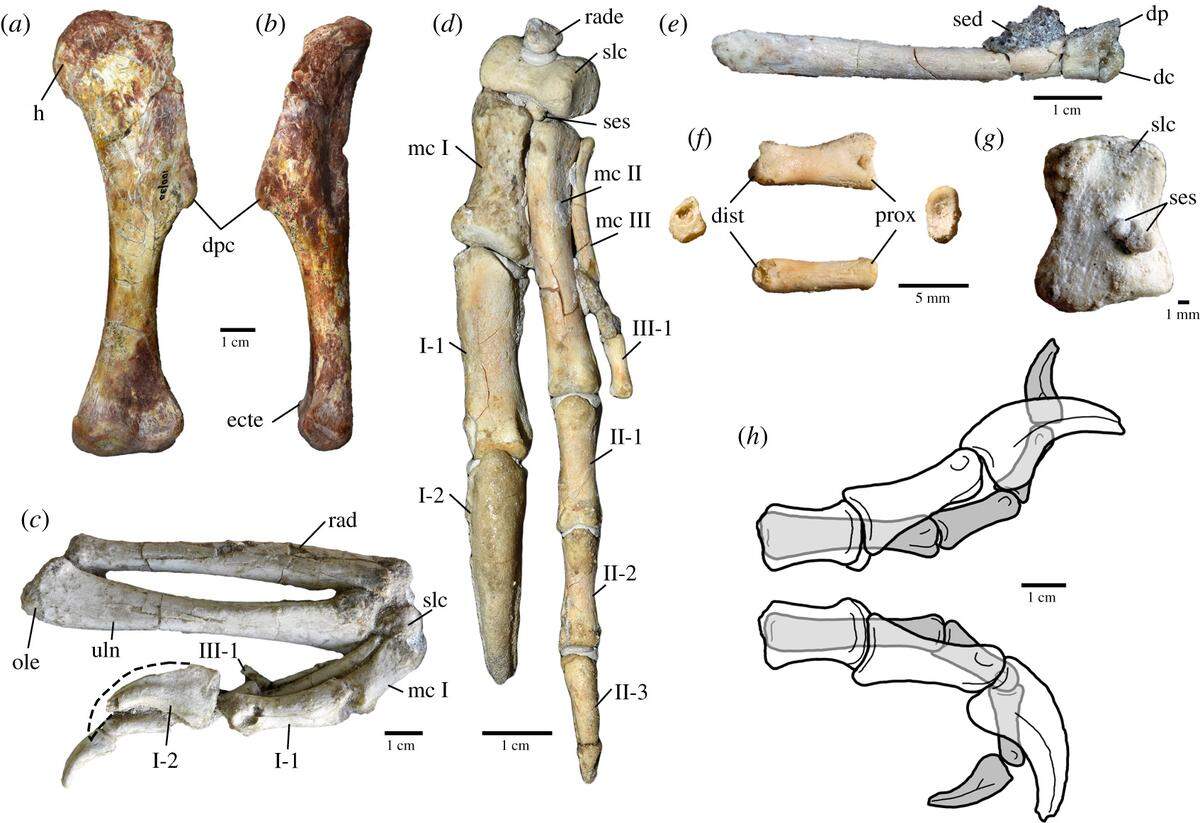
The new species, Oksoko avarsan, also had two fingers, one less from their closest relatives, the researchers said. The find provides the first evidence of digit loss in the three-fingered dinosaur family known as oviraptors.
“It’s two-fingered hand prompted us to look at the way the hand and forelimb changed throughout the evolution of oviraptors — which hadn’t been studied before,” study co-author, Dr. Gregory Funston, of the University of Edinburgh in Scotland, said in a news release.
“This revealed some unexpected trends that are a key piece in the puzzle of why oviraptors were so diverse before the extinction that killed the dinosaurs,” Funston added.
The researchers say the loss of one finger suggests the creatures altered their diets and lifestyles, which enabled their survival in other locations during the Late Cretaceous Period.
Upon further investigation, the team learned the parrot-like dino’s arms and hands “changed drastically in tandem with migrations to new geographic areas,” including what is now North America and the Gobi Desert in Mongolia, where they were found.
The dinosaurs were covered in feathers, ate both plants and animals and grew to about 6 feet 6 inches long, the researchers said.
They were also social creatures as youngsters, “like many other prehistoric species,” the team said; the skeletons of four young dinosaurs were found resting together.
A study on the find was published Oct. 7 in the journal The Royal Society.