
After Venezuela’s devastating earthquakes, survivors ask: What comes next?
Almost two weeks after twin earthquakes struck Venezuela, most international rescue teams have either left or are winding down operations. Foreign journalists are also leaving, and some volunteers from across the country are having to return home.
As emergency response efforts scale back, attention is shifting to recovery and reconstruction, with those affected by the disaster on June 24 confronting what comes next.
In La Guaira, the worst-affected area, many streets are now largely silent. Mounds of rubble and partially collapsed buildings that were once crowded with people searching for survivors now lie abandoned. In other areas, diggers are clearing concrete slabs, dusty debris and the remnants of ordinary life, including school books, clothes and broken furniture.
On one street, the words “We are alive” are painted in large letters on the side of a house. The owner, Daniel Tavares, is one of the only residents still living there. His house remains largely intact. He told The Miami Herald the message was intended to alert relatives that he and his mother survived, after many buildings on the same street collapsed.
%20painted%20on%20the%20side%20of%20Daniel%20Tavares%27%20house%20in%20La%20Guaira,%20.jpg)
But while he and his mother are alive, his 17-year-old daughter and 11-year-old son were killed in the earthquake in another area.
“I’m numb. I have so many memories,” he said. “I will always cherish them, but what now?”
The death toll now stands at 3,535, but is expected to rise further, with hopes of finding survivors fading. Around 40,000 people are still registered missing on crowdsourcing websites.
Tavares is reluctant to leave the home where his children used to visit.
“We’re waiting to see what we’re going to do, whether they will demolish the houses, whether help will arrive, because we have nowhere else to go.”
A total of 885 buildings have been affected, including 189 that collapsed completely, according to the government.
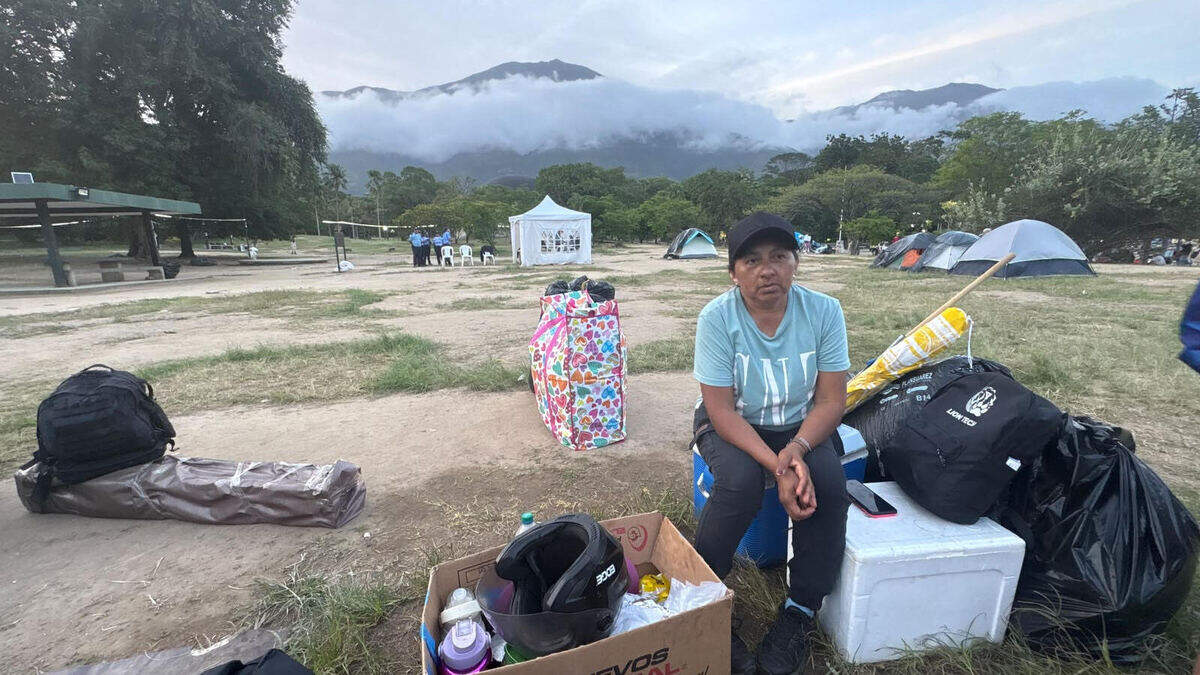
In the state of La Guaira, many people who lost their homes, and in some cases their families, are now living in tents in parks, temporary shelters, or with relatives and friends. Others have left for Caracas.
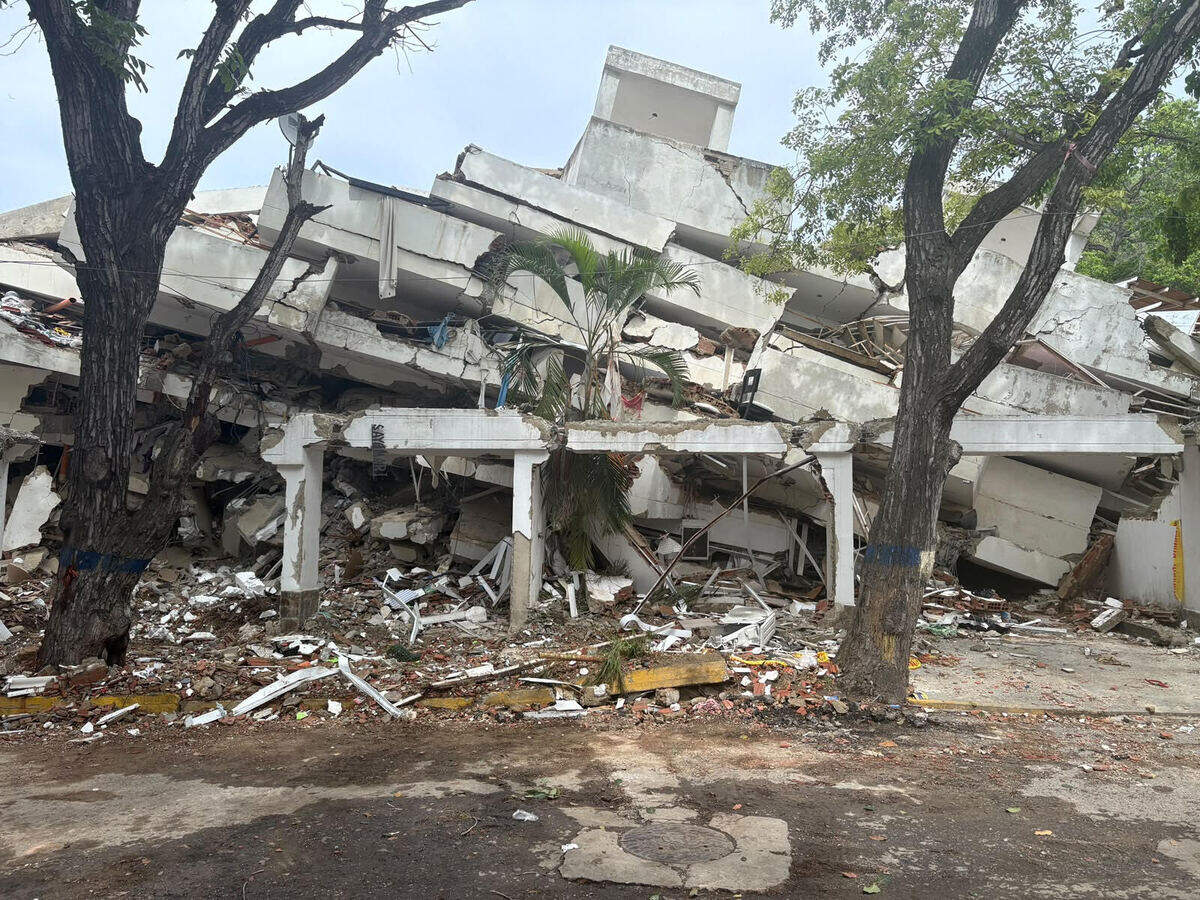
A preliminary estimate by the United Nations Development Program put direct physical damage at $6.7 billion – around 6 percent of the country’s gross domestic product.
Venezuela’s interim president, Delcy Rodríguez, has announced a $200 million package to support the reconstruction of homes and infrastructure and provide assistance to affected families, with backing from funds held in international financial institutions.
But in the short and medium term, many people are still asking where they will live and how they will rebuild their lives.
Luz Pirela has been living in tents with her family since the earthquake. She says her employer and friends have been supportive, and the family has now found a rented apartment after weeks in temporary camps.
“It’s been incredibly hard. This week we’ve had rain. We’ve gotten sick. I’m having asthma attacks,” she told The Miami Herald.
But life must go on, she says. Pirela works in a clinic and said she will probably go back to work in a few days.
“It’s going to be a bit traumatic, you know? Because you go back feeling very nervous. Any phone alarm or anything like that triggers trauma. But I think little by little we are going to overcome those traumas,” she said.
For others, returning to work means returning to places marked by loss.
“I am unbelievably sad. I am a pre-school teacher, and many of my students died. There are just three weeks before the end of the school year and we had been preparing for graduations. What do we do now?” Elizabeth Álvarez told The Miami Herald.
Three of her colleagues also died.
Some families have found private accommodation, others are moving between temporary shelters, and many remain in tents.
At Parque del Este, toilets and showers have been installed for those sleeping in tents, as well as donation collection and sorting points. But conditions vary widely between sites across the city and in La Guaira.
Alongside immediate shelter needs, medical staff are warning of growing secondary health risks.
“There are diseases we need to watch out for because of water issues, overcrowding and the rains. These could include influenza, respiratory illnesses, adenovirus, rhinovirus and dengue,” said a physician who is coordinating medical supplies at the aid point in Parque del Este, said.
She added that it is important to vaccinate people, especially the most vulnerable, with the flu shot being the most common.
Another doctor warned there will also be a major challenge in treating chronic illnesses.
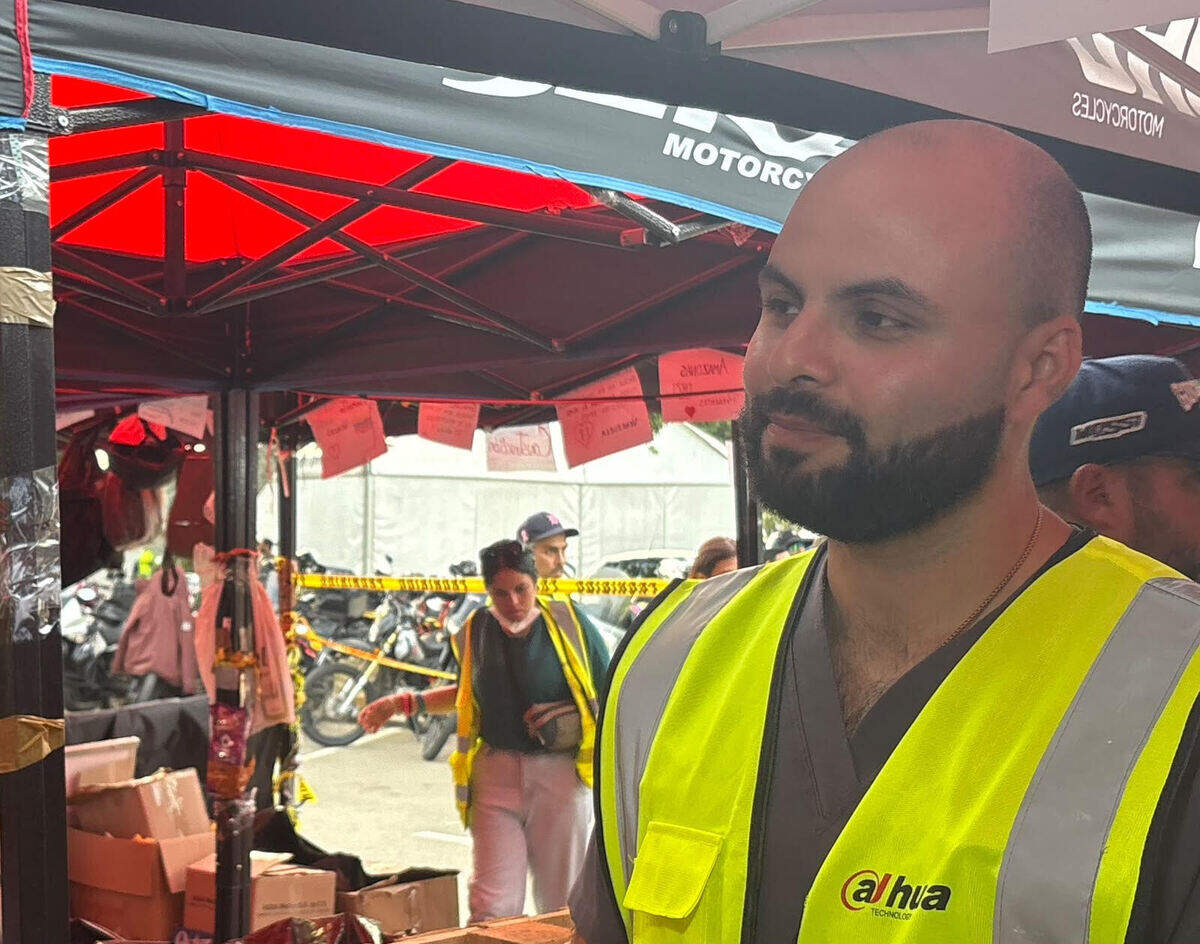
“The main issue is getting medication for hypertension, diabetes medications such as metformin, anticonvulsants for epilepsy, and asthma medications. These are long-term treatments that people need indefinitely,” said Dr. Ángel Valente.
“Once the initial wave of donations runs out, there will likely be shortages.”
But physical health is only part of the concern.
Volunteers at the Parque del Este camp also said they had been told of attempted suicides among people affected, with reports passed on by family members and rescuers from La Guaira.
The impacts of the earthquake stretch beyond the main disaster zones.
In the town of Osma, La Guaira, buildings remain largely intact with only minor damage, and no deaths were reported.
But residents here are affected in other ways. With no electricity or phone signal, many have struggled to find news of relatives in the affected areas. Some have since learned of deaths, while others are still missing family members.
Telecoms companies Digitel and Movistar Venezuela have been working to restore connectivity in La Guaira with support from Starlink satellite services and free Wi-Fi points in shelters.
Life continues in uncertainty. Many residents relied on tourism, and local businesses depended on suppliers in La Guaira, but some of those suppliers no longer have buildings or have lost their lives.
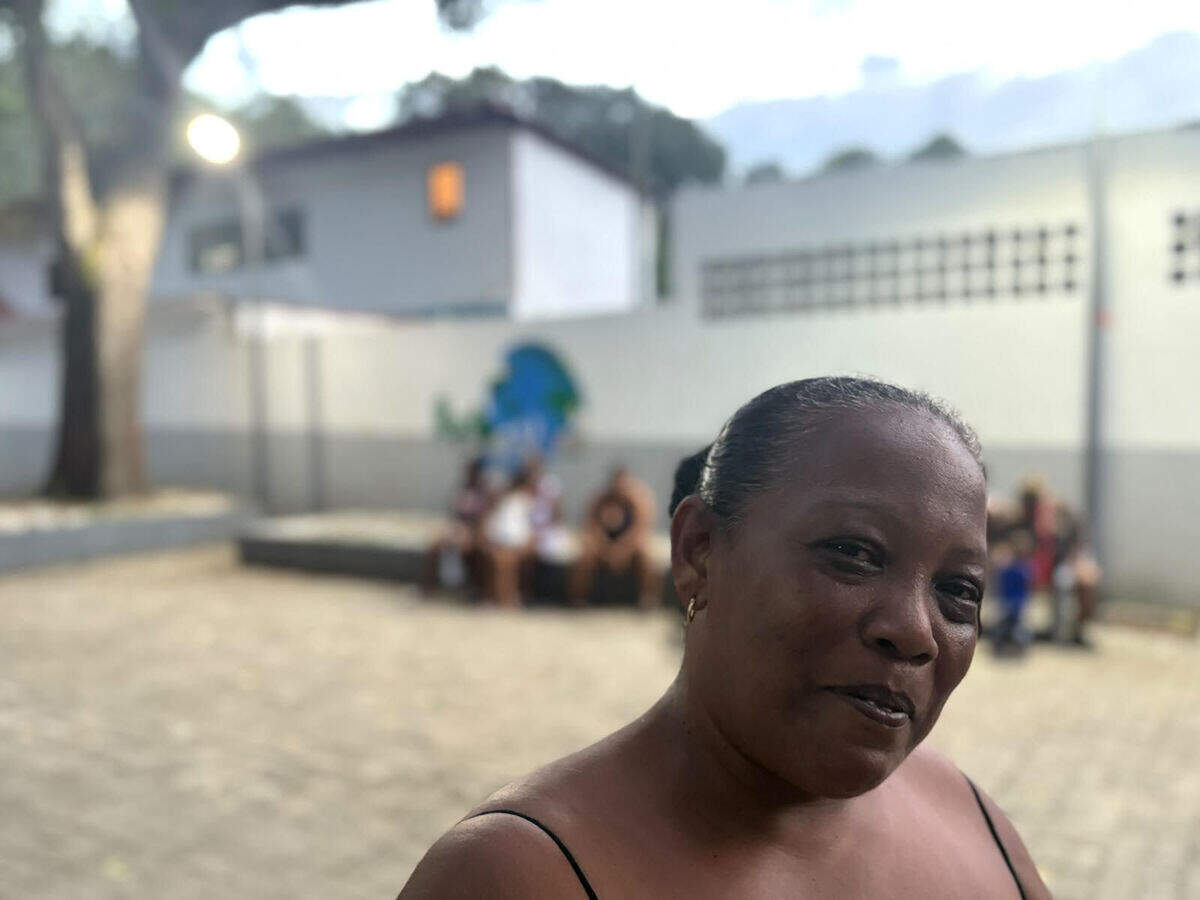
Resident Carolina Molina has been helping mobilize the community, appealing for supplies from outside.
“Today I asked people to bring things for children and babies, diapers, personal hygiene products, canned food and other non-perishable items,” she said.
But she said the uncertainty is unbearable.
“We don’t know whether we are sad or simply overwhelmed by fear and uncertainty. But we have to keep going,” Molina said.
“We can’t focus only on the sadness because it will consume us.”