U.S. strike in Venezuela kills Tren de Aragua leader Niño Guerrero
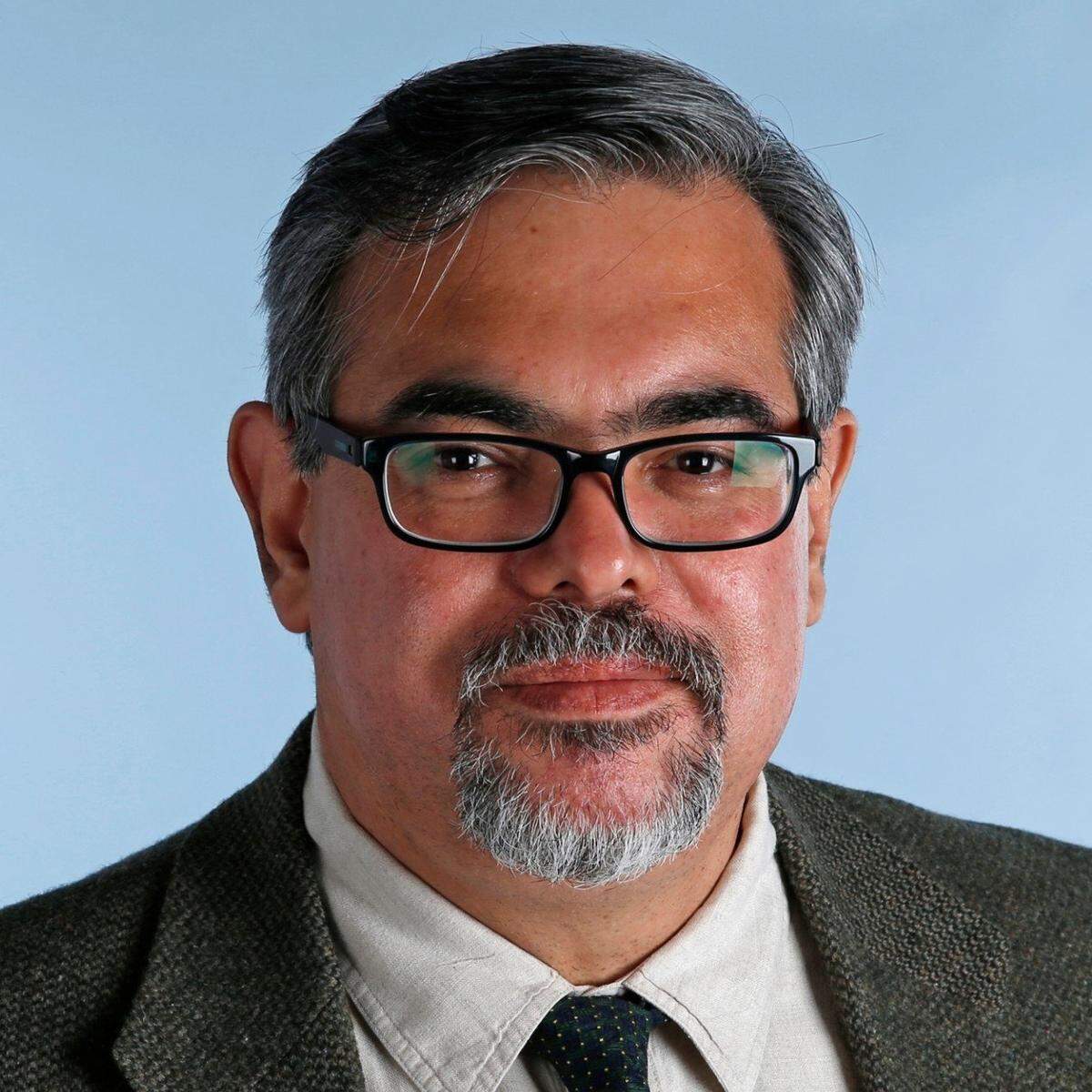
_fitted%20(1).jpeg "A wanted poster for Niño Guerrero, named by Venezuelan authorities as Tren de Aragua’s leader.")
President Donald Trump said Friday that a U.S. military strike carried out in coordination with Venezuelan security forces killed Héctor Rusthenford Guerrero Flores, better known as “Niño Guerrero,” the founder and top leader of the Venezuelan criminal organization Tren de Aragua.
In a post on Truth Social, Trump said the strike was conducted by U.S. Southern Command and described it as a “swift and lethal kinetic strike” that successfully eliminated Guerrero, whom he called “the infamous leader of Tren de Aragua, one of the most bloodthirsty Terrorist Organizations on Planet Earth.”
The announcement marks a major development in Washington’s campaign against Tren de Aragua, the Venezuelan-born criminal organization that U.S. authorities say has expanded across Latin America and into the United States amid Venezuela’s migration crisis.
“Tren de Aragua terrorists no longer have safe haven in Venezuela or anywhere else,” Trump wrote. “Under my leadership, we will find these vicious murderers and drug lords anytime, anyplace.”
Defense Secretary Pete Hegseth later confirmed the operation in a post on X, saying the strike was carried out “earlier this week” by the Department of War — formerly called the Department of Defense— in “full collaboration with Venezuelan security forces.”
Hegseth said the strike targeted a Tren de Aragua compound inside Venezuela and that Guerrero was “confirmed killed during the strike.”
“The operation underscores the shared U.S. and Venezuelan commitment to take the fight to narco-terrorists and deny them any safe haven in our hemisphere,” Hegseth wrote.
Neither Trump nor Hegseth disclosed the exact location of the strike, the type of weapons used, casualty figures beyond Guerrero’s death, or whether U.S. personnel entered Venezuelan territory.
The operation is likely to draw intense scrutiny because it appears to represent one of the clearest examples yet of direct U.S. military action inside Venezuela with the cooperation of Caracas, a striking shift in relations after years of hostility between Washington and the South American nation.
The Jan. 3 capture of Venezuelan strongman Nicolás Maduro in a U.S.-backed operation marked a dramatic turning point in relations between Washington and Caracas, ending years of open hostility and ushering in an unprecedented phase of security and diplomatic cooperation.
Maduro’s removal shattered the rigid anti-U.S. posture that had defined Venezuela’s socialist government for more than two decades, opening the door to direct engagement between the Trump administration and Caracas on issues ranging from counternarcotics to migration and regional security.
Following Maduro’s capture, then–Vice President Delcy Rodríguez assumed power as interim president, positioning herself as the key figure in managing Venezuela’s fragile transition. Since taking office, Rodríguez has worked closely with Washington under what officials have described as a three-step stabilization framework aimed at preventing state collapse and restoring governance.
Trump said the strike was “coordinated closely with our friends in Venezuela, with whom we are working very well,” signaling deepening security cooperation with the Venezuelan interim government led by President Delcy Rodríguez, who assumed power after Nicolás Maduro’s capture in a U.S.-backed operation in January.
Tren de Aragua emerged from Tocorón prison in Venezuela’s Aragua state and evolved from a prison gang into one of the hemisphere’s most feared transnational criminal organizations. Authorities across the region have linked the group to human trafficking, extortion, kidnapping, contract killings, drug trafficking and migrant smuggling.
U.S. officials have increasingly described the group as a national security threat. Earlier in Trump’s administration, the United States formally designated Tren de Aragua as a Foreign Terrorist Organization, giving federal authorities broader powers to target its finances, leadership and support networks.
Guerrero had long been one of the most wanted figures tied to Venezuelan organized crime. He rose to prominence as the architect of Tren de Aragua’s expansion beyond Venezuela, overseeing a network that investigators say established cells in Colombia, Peru, Chile, Ecuador, Brazil, Mexico and the United States.
Despite repeated law enforcement operations targeting the gang, Guerrero had remained elusive for years after escaping a Venezuelan prison crackdown.
The reported killing of Guerrero could significantly disrupt Tren de Aragua’s leadership, though analysts warn the group’s decentralized structure may allow regional cells to continue operating even without its founder.
U.S. officials have not yet released additional operational details, and Venezuelan authorities had not issued an official statement as of Friday.