No election date yet in Venezuela as U.S. presses regime to allow Machado’s return
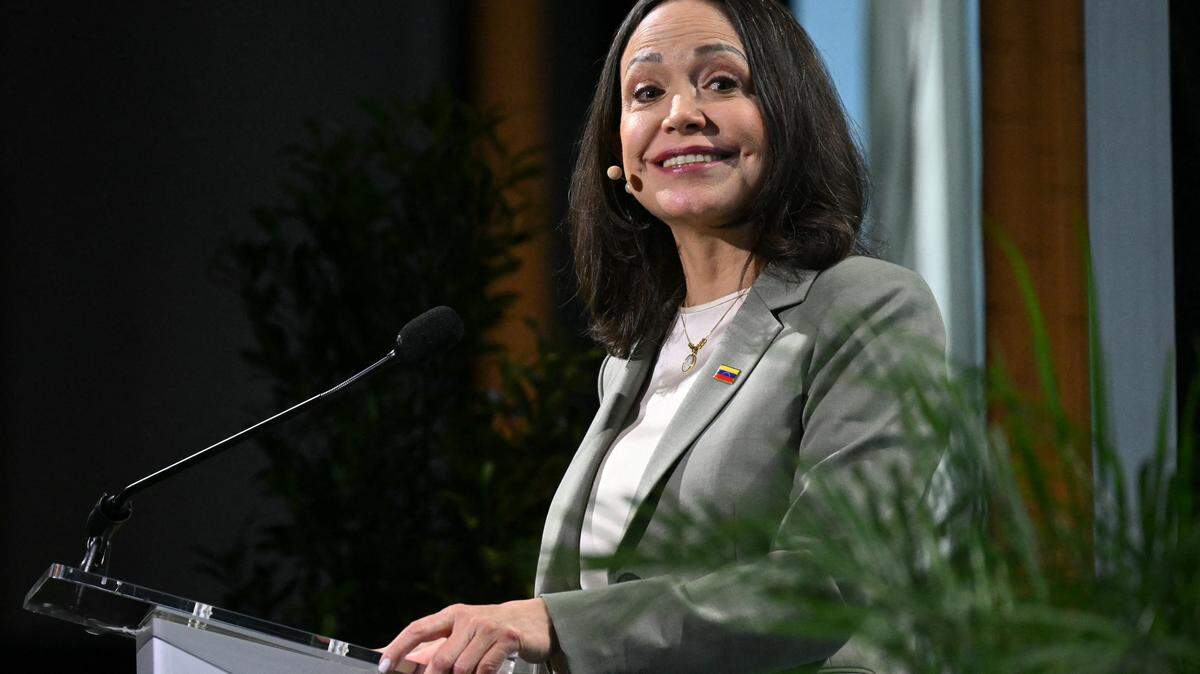
The United States has made clear to Venezuela’s interim government that opposition leader María Corina Machado and other political figures must be allowed to return and participate freely in future elections, even as key institutional reforms remain a prerequisite for setting a date for the vote, a senior State Department official told lawmakers this week.
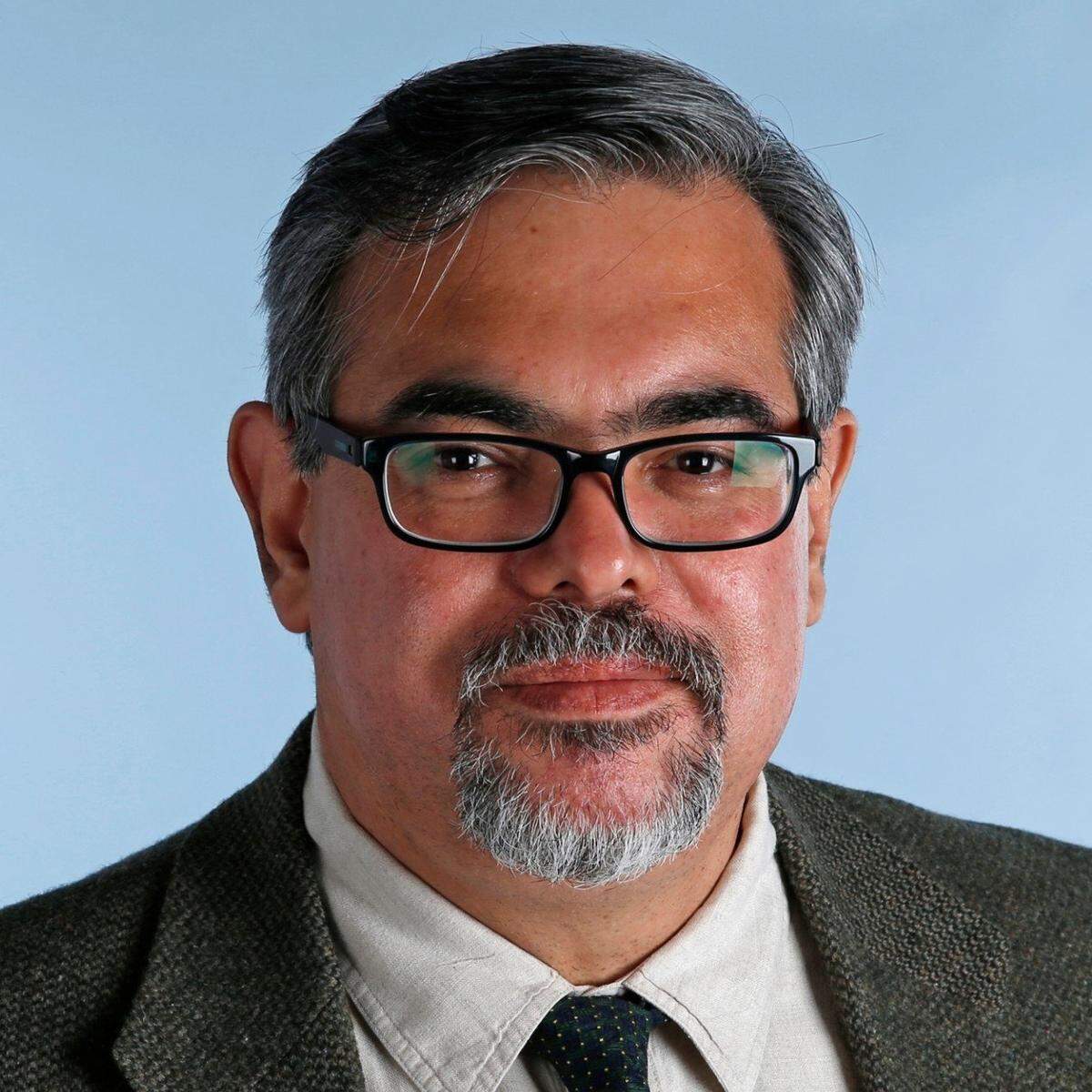
Testifying before Congress on Thursday, Michael Kozak, deputy assistant secretary of state for Western Hemisphere Affairs, said Washington is pressing for guarantees that opposition leaders can operate without fear of retaliation, while also pushing for sweeping changes to Venezuela’s electoral system before any presidential contest can take place.
“We expect them to be able to go back and participate freely in an election,” Kozak said, referring to Machado and other opposition figures.
Kozak emphasized that elections cannot be held under current conditions, pointing to what he described as a deeply flawed electoral infrastructure.
He said Venezuela’s voter registry is “way out of date, if not completely skewed,” and that key institutions overseeing elections — including the electoral authority and the Supreme Judicial Council — are staffed by Maduro-era appointees who lack public trust.
Those agencies will need to be restructured through an agreement between the opposition and the interim government led by Delcy Rodríguez, he said, alongside other steps aimed at ensuring transparency and credibility, including the presence of international observers.
The comments came as lawmakers pressed the State Department for a clearer timeline for elections following the January removal of Nicolás Maduro and the installation of a U.S.-backed interim government.
Kozak said no date has been set.
“We don’t have a date,” he said. “We have conditions that will enable an election and bring about a transition to democracy.”
His testimony highlighted a conditions-based approach by the Trump administration, which is seeking to use economic leverage and diplomatic pressure to force political reforms before moving to a vote.
Central to that strategy is U.S. influence over Venezuela’s oil revenues, which Kozak described as a key tool to encourage concessions from Caracas.
“We’ve got very significant control over the oil revenues at this point,” he said.
At the same time, he outlined a three-phase U.S. plan for Venezuela’s transition: stabilization, recovery and reconciliation, and finally a move toward democratic elections.
Kozak said the first phase — focused on preventing the failure of security and basic services — has already been completed.
“We didn’t want the security situation to break down,” he said, noting that widespread unrest and a new surge in migration had been avoided.
The current phase centers on restoring the economy, particularly through reviving oil production, while advancing political reconciliation between the interim authorities and opposition forces.
Congressional lawmakers, however, voiced concern that the process could stall without more aggressive U.S. pressure.
Rep. María Elvira Salazar of Miami, who chaired the hearing before the House Foreign Affairs Subcommittee on the Western Hemisphere, called for a firm election date and warned that Venezuela’s interim leadership may be reluctant to move forward without it.
She also urged the administration to take a stronger stance in protecting Machado, who has become a central figure in the opposition’s efforts to reorganize after months of political upheaval.
Kozak said the United States has already communicated its expectations to Venezuelan officials, including that opposition leaders must be allowed to return safely and participate in the political process.
Still, he acknowledged that progress has been uneven.
He noted that Venezuela’s recently enacted Amnesty Law has benefited more than 8,000 people but said it falls short of what is needed, as some opposition figures remain barred from participating in politics.