Inside the rise of Cilia Flores, Maduro’s wife, as Venezuela’s power behind the throne
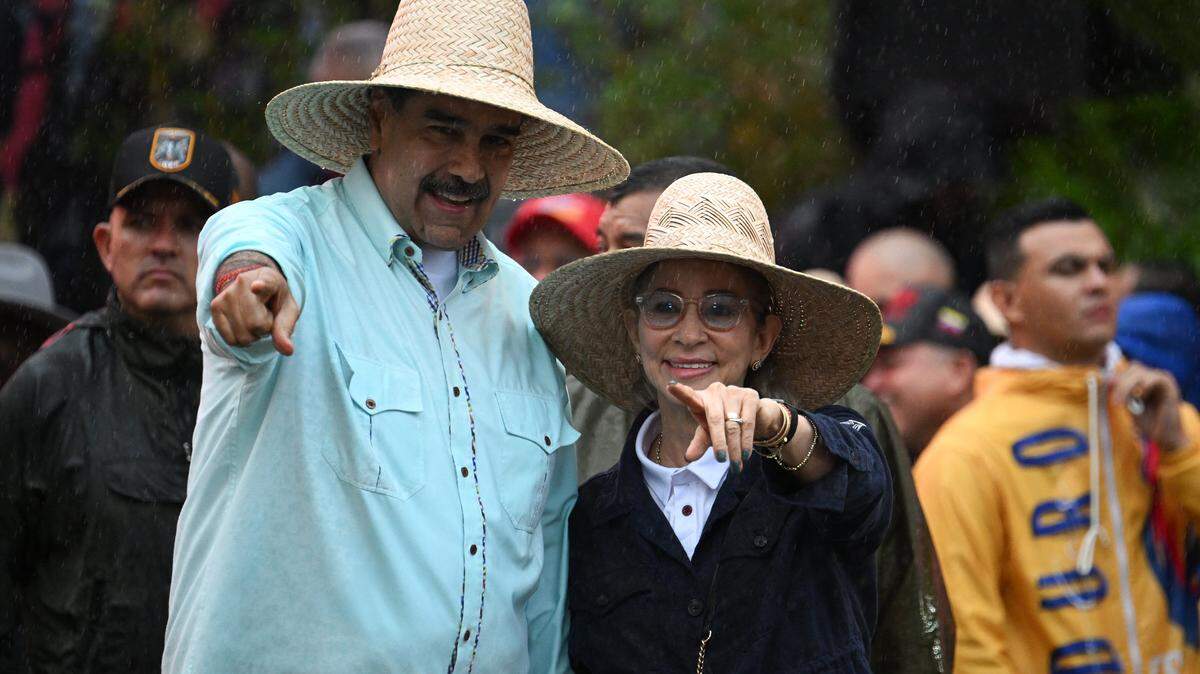
For more than three decades, Cilia Flores operated in the shadows of Venezuela’s revolution, a discreet but decisive force who helped build, consolidate and ultimately defend one of Latin America’s most enduring authoritarian systems.
Now, following her dramatic capture alongside husband Nicolás Maduro in a U.S.-led operation earlier this year, a clearer picture is emerging: Flores was not merely the first lady of Chavismo, but one of its chief architects — a political operator who fused legal maneuvering, institutional control and family networks into a durable system of power.
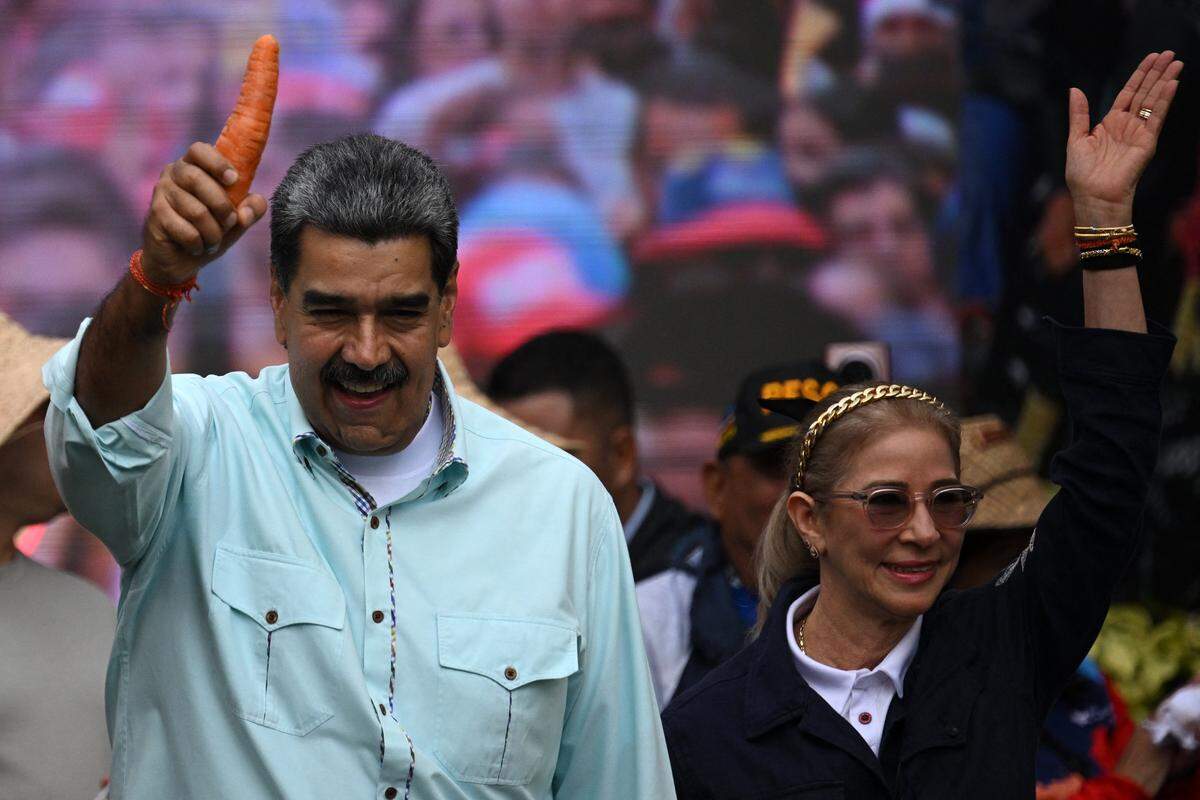
A newly compiled report by Transparencia Venezuela, the exile-based chapter of Transparency International, portrays her as a figure who steadily gained ground within the Chavista structure, weaving networks of influence across the judiciary, legislature, electoral system and key economic institutions. Transparency International is a global organization dedicated to combating corruption.
“Cilia Flores has been part of Chavismo longer than the Bolivarian Revolution itself,” the report notes, underscoring her decades-long role at the core of the movement. She “gradually gained ground… weaving networks of influence” across the judiciary, legislature, electoral system and key economic institutions.
From lawyer to power broker
Flores’ ascent began in the early 1990s, when she joined the legal team defending Hugo Chávez after his failed 1992 coup attempt. Her access to the future president — reportedly forged during prison visits — would prove pivotal.
By the time Chávez swept to power in 1999, Flores had already embedded herself within the movement’s inner circle, helping organize political structures and supporting his rise. She played a behind-the-scenes role in the constituent assembly that rewrote Venezuela’s constitution, setting the stage for the sweeping institutional changes that followed.
Her transition from legal operative to political leader came quickly. In 2000, she was elected to the National Assembly, where she became a key enforcer of Chávez’s legislative agenda. By 2006, she rose to become the assembly’s president — the first woman to hold the post — overseeing a period in which the entity ceded extraordinary powers to the executive.
During her tenure, lawmakers approved enabling laws that allowed Chávez to rule by decree across broad sectors, effectively weakening the separation of powers and centralizing authority in the presidency.
That period marked a turning point, analysts say, as Venezuela’s institutions began to shift from checks on power to instruments of it.
Building control
Flores’ influence extended far beyond legislation. As head of the assembly and later as attorney general, she played a critical role in shaping Venezuela’s judiciary and electoral agencies, appointing loyalists who would ensure the government’s decisions faced little resistance.
According to the report, she helped secure the appointment of judges and electoral authorities aligned with the ruling party, effectively guaranteeing “the legality” of government actions through courts and electoral rulings.
That control proved decisive in key political moments.
After Chávez’s death in 2013, Flores, then serving as general counsel, backed legal interpretations that allowed Maduro to remain in power without triggering constitutional succession mechanisms. The Supreme Court later reinforced those interpretations, enabling Maduro to run for president while serving as acting head of state.
What followed was a systematic consolidation of authority. When the opposition won control of the National Assembly in 2015, the judiciary — stacked with loyalists — moved swiftly to neutralize it. Courts invalidated opposition victories, declared the legislature in contempt and stripped it of power.
In 2017, the government created a parallel Constituent Assembly that effectively replaced the opposition-led assembly, further cementing executive control.
By then, Venezuela’s institutional balance had been fundamentally reshaped.
The family network
Alongside her institutional strategy, Flores cultivated a vast network of relatives and loyalists placed throughout the government.
The report identifies at least 30 family members within her inner circle, with 17 holding public office across key institutions, including the national oil company, the treasury, immigration services and the judiciary.
Some held multiple positions simultaneously, giving the network influence over both political decisions and state resources.
One relative, Carlos Erik Malpica Flores, occupied at least 16 roles across government agencies, including senior posts at the state-run oil company, PDVSA, and the national treasury.
The network extended deep into the judiciary, encompassing a web of judges, prosecutors and Supreme Court justices linked to Flores, many of whom played key roles in rulings that favored the government.
Critics have long described the system as a form of institutionalized nepotism, where loyalty to the ruling family often outweighed formal qualifications.
‘Stealth mastermind’
Despite her growing power, Flores increasingly withdrew from public view during Maduro’s presidency, adopting the image of a loyal and reserved first lady.
Behind that façade, the report portrays her as a “stealthy mastermind” who helped maintain cohesion within Chavismo and prevent internal fractures after Chávez’s death.
Her influence extended across branches of government, while her family network expanded into strategic areas of the state.
That dual strategy — institutional control combined with personal networks — allowed the Maduro government to withstand years of political crisis, economic collapse and international isolation.
Controversies, criminal allegations
Flores’ career has also been shadowed by controversy.
In 2015, two of her nephews were arrested and later convicted in the United States for drug trafficking, in a case that drew international attention.
She herself was sanctioned by the U.S. Treasury Department in 2018 for alleged involvement in corruption and undermining democratic institutions.
More recently, U.S. prosecutors accused her of participating in a broader narco-trafficking network involving senior Venezuelan officials, alleging that she and Maduro worked together to facilitate cocaine shipments to the United States over more than a decade.
Court filings cited in the report claim the network moved between 200 and 250 tons of cocaine annually at its peak.
Flores has denied wrongdoing, and the allegations remain part of ongoing legal proceedings.
Collapse and aftermath
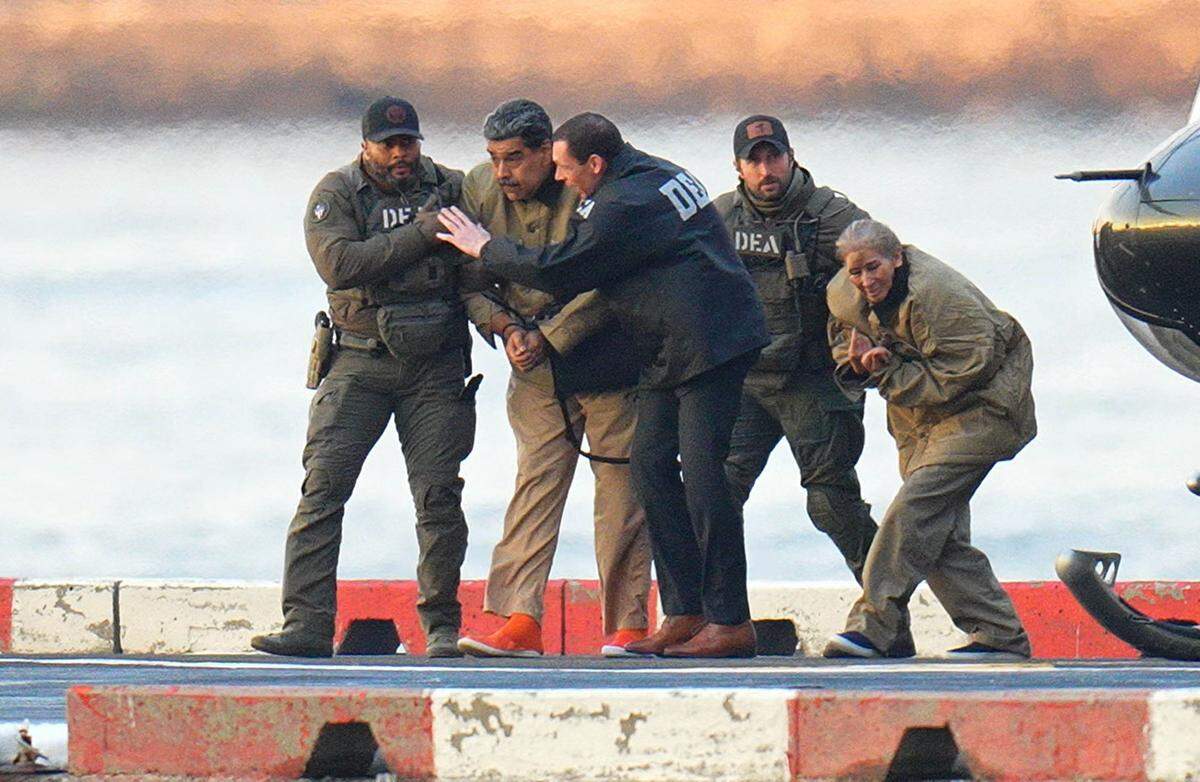
The arrest of Flores and Maduro in January marked a dramatic end to their grip on power and triggered a rapid reshuffling within Venezuela’s ruling elite.
According to the report, interim authorities have since moved to dismantle parts of the network built by the couple, removing key allies and restructuring security and political institutions.
But analysts caution that the system Flores helped construct may outlast her.
For years, it embedded loyalists across multiple layers of the state, creating what some describe as a parallel architecture of power — one that blurred the line between government, party and family.
A lasting legacy
Flores’ legacy is likely to be debated for years.
To supporters, she was a loyal revolutionary who defended Chávez’s project and ensured its continuity during moments of crisis.
To critics, she represents something more consequential: the transformation of Venezuela’s institutions into instruments of political control, and the rise of a system where power was concentrated in the hands of a small inner circle.
What is clear is that her influence was profound.
From a lawyer visiting a jailed coup plotter in the 1990s to one of the most powerful figures in modern Venezuela, Cilia Flores helped shape the trajectory of a nation — and the system that defined it.
Her fall may mark the end of an era. But the structures she helped build remain deeply embedded in the country’s political landscape.