Appointment of new attorney general in Venezuela overshadowed by protest crackdown
Venezuela’s appointment of a new attorney general with a human-rights background appeared aimed at projecting a more moderate image of the Caracas regime after Nicolás Maduro’s fall. But the move was immediately questioned by opposition leaders and coincided with a day of repression against protesters, journalists and political prisoners that cast doubt on the interim government’s claimed shift.
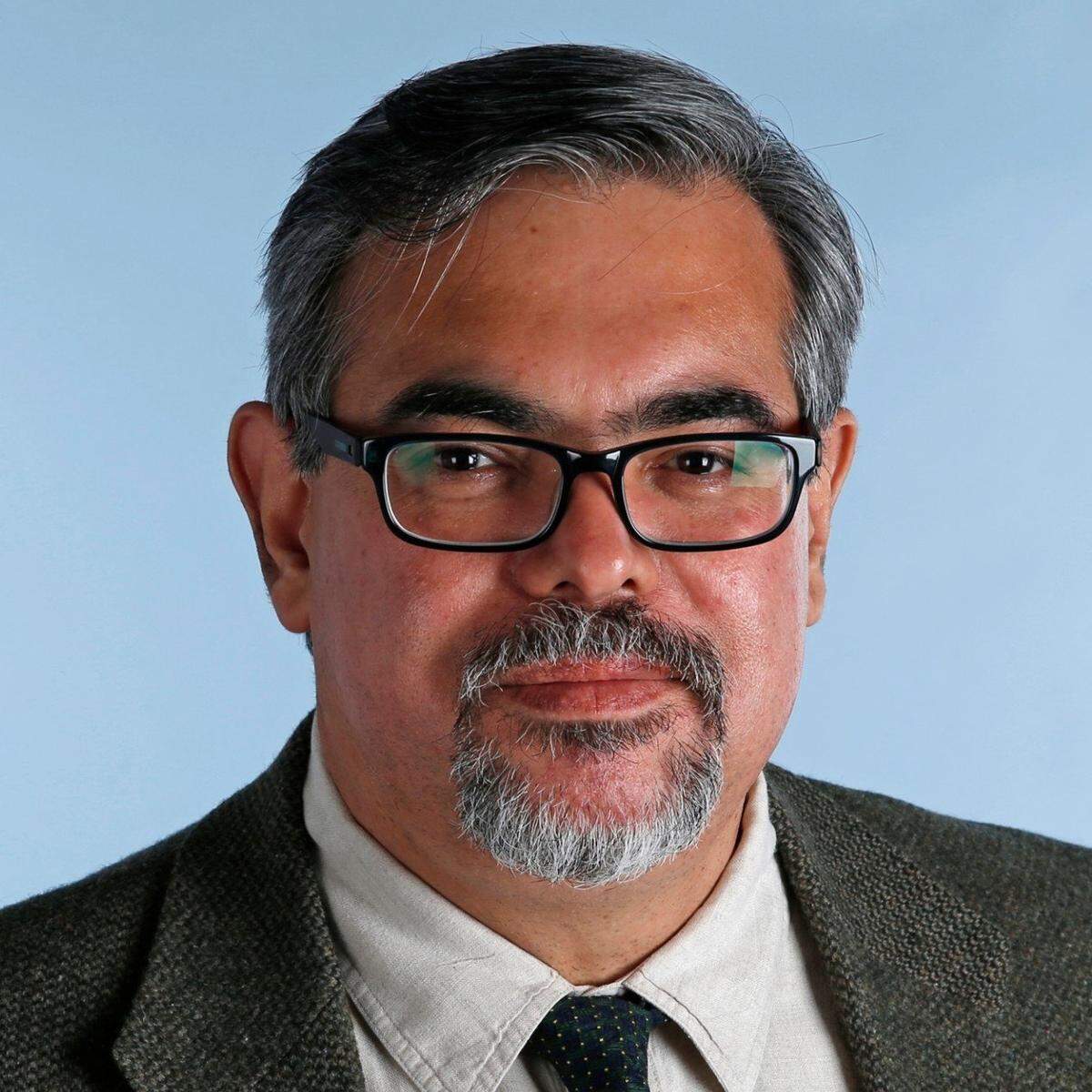
The ruling-party-controlled National Assembly appointed lawyer Larry Daniel Devoe Márquez as Venezuela’s new attorney general, formalizing a role he had held on an interim basis since the resignation of Tarek William Saab, a Maduro ally who had led the prosecutor’s office since 2017.
Devoe, a human-rights specialist who previously served as executive secretary of the government’s National Human Rights Council, was presented by pro-government figures as a sign of institutional normalization. The move is part of a broader reshuffle carried out by interim President Delcy Rodríguez following Maduro’s capture by U.S. forces in January, aimed at consolidating political control while projecting a less confrontational image.
Opposition leaders, however, quickly challenged the credibility of the appointment. Juan Pablo Guanipa, a close ally of opposition leader María Corina Machado, accused Devoe of being “complicit for years” in “all the atrocities of Chavismo.”
In a video posted on social media, Guanipa said Devoe ignored reports of torture and abuses while serving as executive secretary of the National Human Rights Council, a position he has held since 2014. He also accused the new prosecutor of failing to speak out about killings during the 2014 and 2017 protest waves and of blocking a visit by the Inter-American Commission on Human Rights in 2019.
Guanipa also said Devoe remained silent after the disputed 2024 presidential election, which he said triggered a post-election crackdown that left more than 3,000 detainees — including minors — and more than 30 deaths.
“Venezuela needs an attorney general who puts the law before politics, not one whose politics is to destroy the law,” Guanipa said. “Venezuela must finally turn the page on a prosecutor’s office used for power.”
The opposition party Primero Justicia also criticized the appointments, saying Venezuela deserves institutions aligned with human rights “and not at the service of Delcy Rodríguez’s inner circle.”
Civil society groups had already raised concerns. In March, 11 nongovernmental organizations denounced the “absence of clear and public rules” for selecting the attorney general and ombudsman, positions left vacant after the resignations of Saab and Alfredo Ruiz.
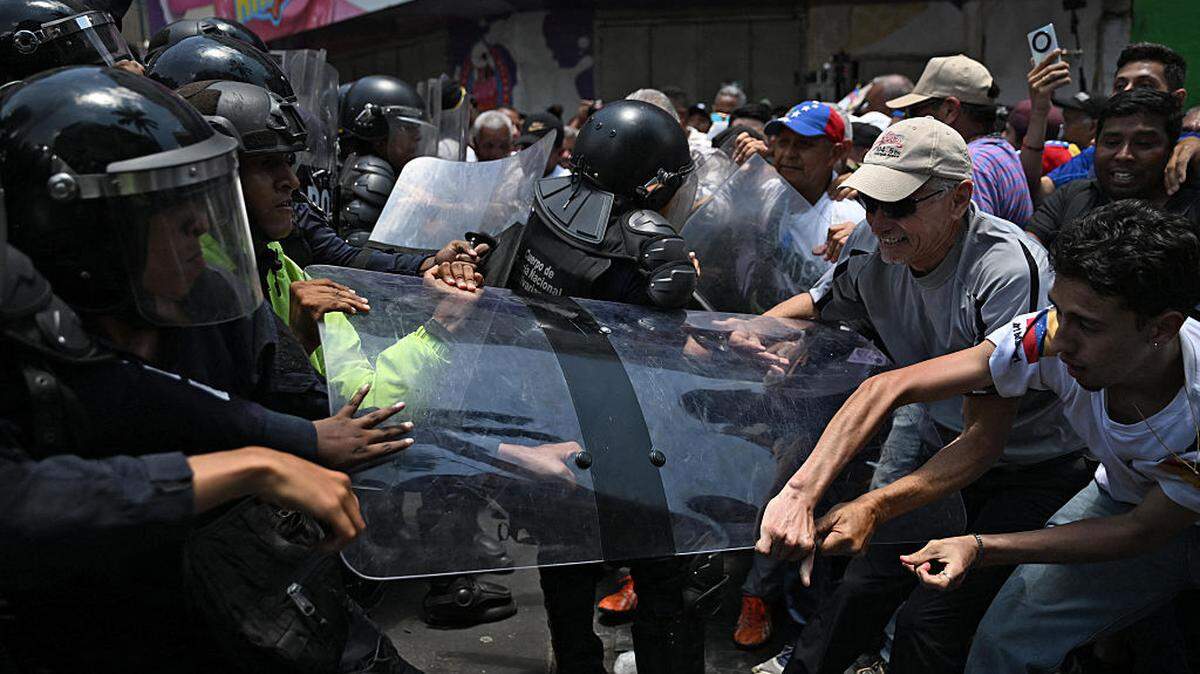
The political controversy Thursday coincided with a day of repression in Caracas. Venezuela’s National Union of Press Workers said at least 10 journalists were assaulted by officers of the Bolivarian National Police while covering a labor march attempting to reach the Miraflores presidential palace.
According to the group, reporters were beaten with riot shields, pepper sprayed and robbed of equipment. The union demanded an investigation and sanctions.
Hundreds of workers demanding wage increases were blocked by a heavy police cordon and dispersed with pepper spray as they attempted to move toward central Caracas.
Witnesses said some demonstrators were kicked or struck with helmets, shields and stones, while a digital outlet reported it had to interrupt a live broadcast after its videographer was attacked.
Economic pressures are fueling the protests. Venezuela’s minimum wage has remained frozen since 2022 and now equals roughly 27 cents a month at the official exchange rate, according to the central bank.
At the same time, human-rights organizations reported repression inside the El Rodeo I prison, where foreign political detainees launched a protest that authorities allegedly responded to with tear gas and punitive measures.
Activists warned of serious injuries and a possible death, while relatives demanded humanitarian access and held the government responsible for detainees’ safety.
The overlap between institutional reshuffling and repression highlights tensions within Venezuela’s new political configuration. While the interim government seeks to project moderation with figures associated with human rights and diplomacy, security forces continue to use tactics reminiscent of Maduro-era crackdowns.
For opposition leaders, Devoe’s appointment represents an attempt to soften the government’s international image without structural change. Thursday’s events — with protesters dispersed, journalists assaulted and prisoners reporting abuses — underscored the gap between the regime’s messaging and conditions on the ground.
This story was complemented with El Nuevo Herald wire services.