Trump floats ‘51st state’ idea as Venezuela advances in World Baseball Classic
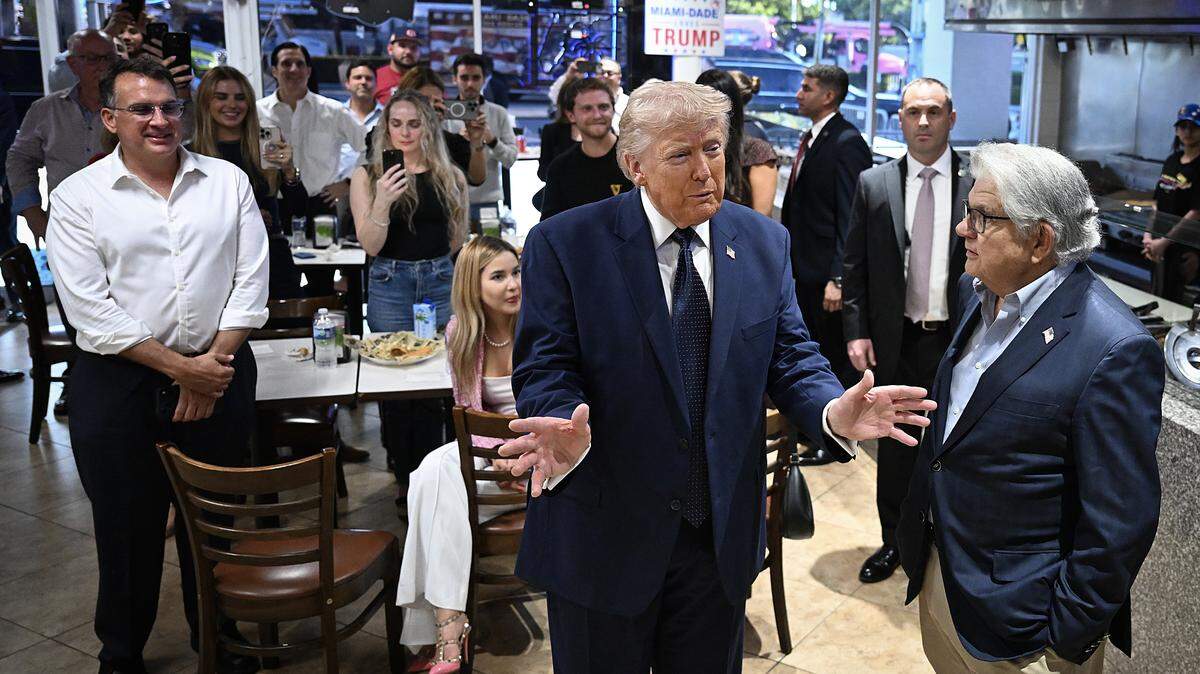
President Donald Trump on Monday praised Venezuela’s national baseball team after its semifinal victory in the World Baseball Classic, using the moment to float a provocative suggestion about the country’s future political status: Statehood for the South American nation.
“Wow! Venezuela defeated Italy tonight, 4-2, in the WBC (Baseball!) Semifinal. They are looking really great. Good things are happening to Venezuela lately! I wonder what this magic is all about? STATEHOOD, #51, ANYONE?” Trump wrote on his Truth Social platform.
The comments came as Venezuela advanced in the international tournament, fueling national pride among Venezuelans at home and abroad. Baseball is widely considered the country’s most popular sport.
Trump’s remark about “statehood, suggesting Venezuela could become the 51st U.S. state, appeared rhetorical or joking. Still, it underscores a highly sensitive geopolitical moment, as Washington has taken an increasingly active role in Venezuela’s political transition following the January removal of strongman Nicolás Maduro.
The United States has backed Venezuela’s interim government, led by Delcy Rodríguez, and expanded its influence over key sectors, including the oil industry, as part of broader efforts to stabilize the country after years of economic collapse and political crisis. Trump has repeatedly described Rodríguez, who was Maduro’s vide president, as “wonderful” and said she has been “doing a great job.”
Trump has also framed recent developments in Venezuela as a success of U.S. policy, particularly after a U.S.-led operation resulted in Maduro’s capture on Jan. 3. His latest comments, though informal, are likely to draw attention amid ongoing debates over sovereignty, foreign influence and the future of Venezuela’s governance.
There was no immediate official response from Venezuelan authorities or opposition leaders to Trump’s post.
Notably, weeks before Maduro’s removal in a pre-dawn U.S. operation in Caracas, Rodríguez had denounced claims that exiled opposition figures were promoting the idea of Venezuela becoming a U.S. state.
“Venezuela will never be a state of any other country — never. Our people will never obey orders from a handful of stateless bandits. We say to the government of the United States, and any other country: We are a free people,” she said during a televised event in late November.
Despite Rodríguez’s efforts to restore ties with Washington — including reopening diplomatic relations and opening the oil sector to foreign investment — senior figures within the ruling movement have sought to project continuity with the socialist project launched by late President Hugo Chávez.
Venezuela’s interior minister and ruling party leader Diosdado Cabello said Monday that Chavismo is neither “cornered” nor “in retreat,” even as the country undergoes rapid political and economic changes.
“The option is to win — there is no other option,” Cabello said at a rally of the United Socialist Party of Venezuela in Trujillo state. “That is guaranteed by the unity of the people and by continuing along the path of Hugo Chávez.”
He insisted that “nothing and no one will be able to defeat the Bolivarian revolution” and said it remains in power “with sister Delcy Rodríguez at the helm.”
Cabello’s remarks underscore a central tension in Venezuela’s transition: while Rodríguez has released political prisoners, promoted an amnesty process and pushed reforms to attract foreign investment, key figures within Chavismo are emphasizing ideological continuity.
Cabello, one of the movement’s most influential leaders, also called on supporters to remain mobilized and to pray for Maduro and his wife, Cilia Flores, who are being held in New York on drug trafficking charges.