Fear, torture, silence: OAS blasts brutal crackdown after Venezuela’s disputed election
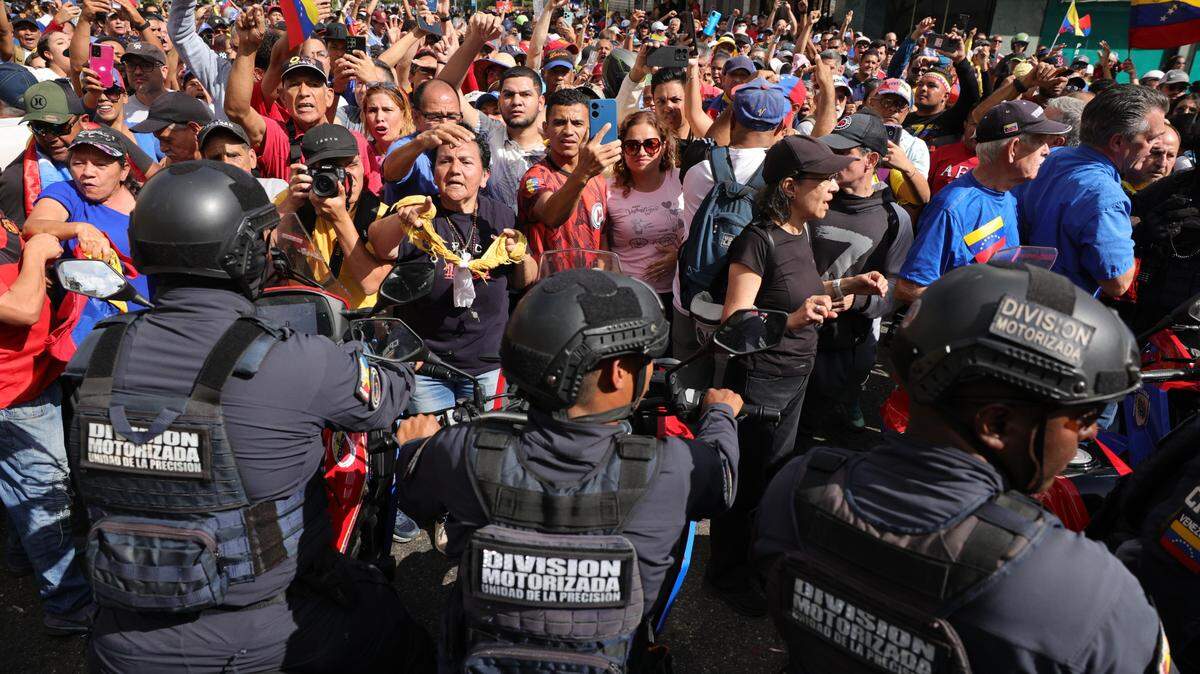
One year after Venezuela’s disputed 2024 presidential elections, the Inter-American Commission on Human Rights issued a scathing condemnation of the Maduro regime’s widespread repression, calling it a systematic attack on democracy that has left scores of Venezuelans dead, imprisoned or disappeared.
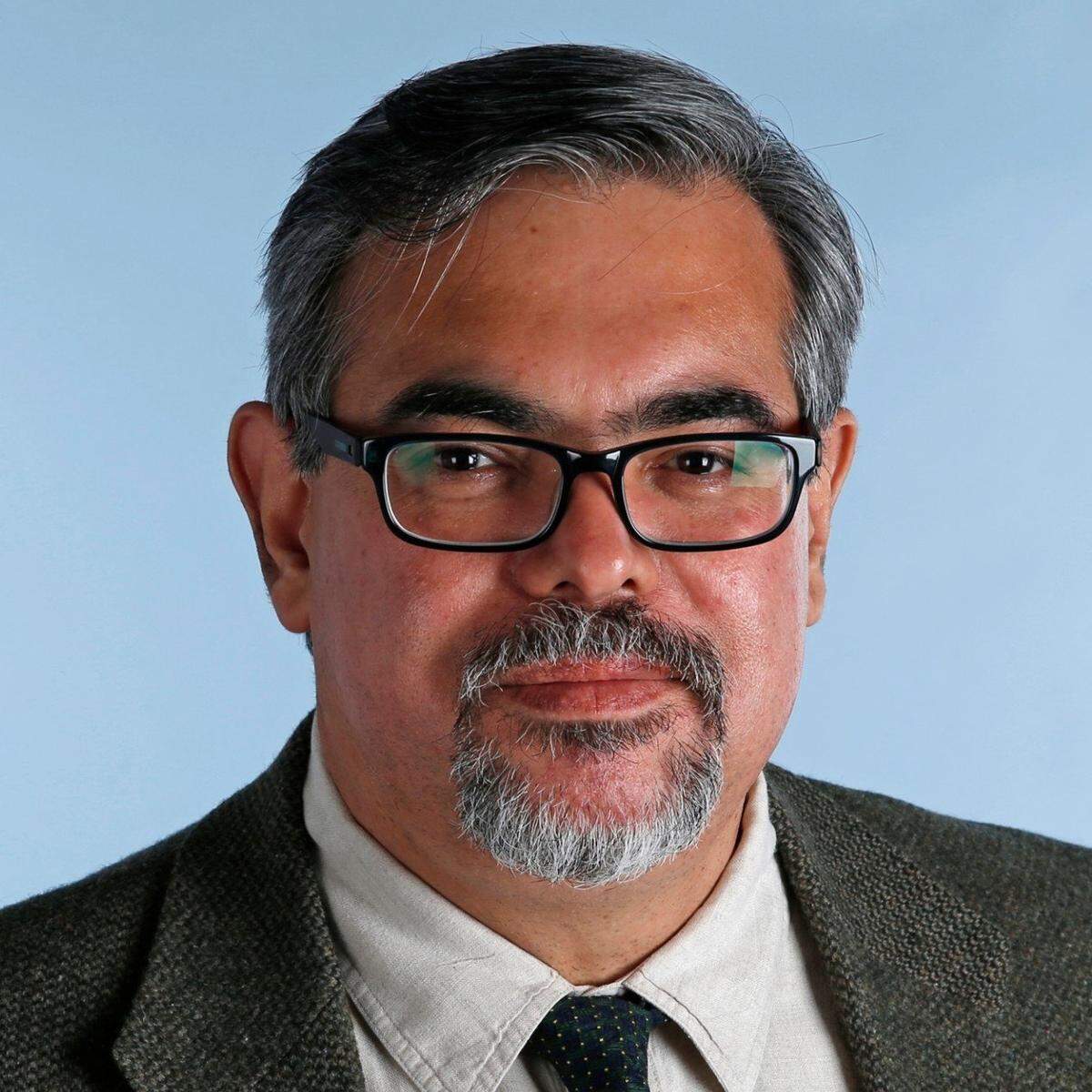
In remarks delivered to the Organization of American States’ Permanent Council on Wednesday, Commissioner Gloria de Mees outlined a damning portrait of post-electoral violence, arbitrary detentions and a climate of fear that is stifling civil society.
“We must be clear: These are not the actions of a government that respects democracy,” de Mees told delegates. “These are the patterns of an authoritarian regime that governs through fear.”
De Mees opened by reiterating the commission’s concerns over the lack of transparency in the 2024 election. Despite declaring Nicolás Maduro the winner, Venezuela’s National Electoral Council has refused to publish the official tally sheets required to verify the results—a move that de Mees said violates national laws and international norms.
“This refusal... strips citizens of their right to know the truth about their vote,” she said
The consequences of that secrecy, she noted, have extended far beyond electoral procedures and into a campaign of violent suppression targeting young protesters, opposition leaders and even journalists.
In the weeks following the contested election, the Maduro government admitted to detaining over 2,000 people during demonstrations. Venezuela’s attorney general confirmed that 25 people were killed during that period. According to the OAS commission, 24 of those victims died from gunshot wounds to the head or chest and one from a fatal beating. Nearly all were civilians—mostly young men from low-income areas traditionally aligned with the ruling party.
De Mees emphasized that the victims included workers, moto-taxi drivers, barbers and shopkeepers—underscoring that the crackdown did not spare even those presumed to be regime loyalists.
The situation for detained protesters is equally grave. Hundreds of adolescents, many arrested in targeted raids known as “Operación Tun Tun,” remain imprisoned. Some are held incommunicado under conditions that may amount to torture.
The commission cited cases of teenagers being forced to defecate in public, record false confessions, and endure psychological trauma so severe that some later expressed suicidal thoughts
.“These are not isolated abuses—they are part of a deliberate strategy of repression,” de Mees said.
According to civil society groups cited in the report, Venezuela currently holds 903 political prisoners. At least 64 families have not been officially informed of where their loved ones are detained. In many cases, the only indication that someone is still alive is the anonymous request to deliver clean clothes and medicine—without explanation or due process.
High-profile opposition figures like Rocío San Miguel, Freddy Superlano and Juan Pablo Guanipa remain behind bars without access to attorneys or family members.
Meanwhile, at least 40 individuals—including journalists and human rights defenders—have had their passports canceled without warning, effectively trapping them inside the country.
The commission also denounced what it called a “systematic and deliberate policy of persecution” against independent media. Journalists have faced arbitrary arrest, enforced disappearance and prosecution in courts that lack any semblance of due process. Some have gone into exile; others have been forced into silence.
This sustained intimidation campaign, according to de Mees, has reshaped Venezuelan society at its core.
“Fear has supplanted freedom of expression as the norm in everyday life,” she said, adding that even private conversations are stifled by fear of state surveillance and neighbor informants.
She also renewed the commission’s request for an in-country visit, including unrestricted access to “El Helicoide,” a notorious Caracas detention facility described in numerous reports as a site of torture and inhumane treatment.
“The refusal to engage in international cooperation... is a defining trait of authoritarian rule,” she said. “Transparency is the cornerstone of any society that calls itself democratic.”
Concluding her address, de Mees called on OAS member states and observers to maintain pressure on Venezuela.
“Venezuela must remain on our collective agenda,” she urged. “The victims, their families, and the millions of Venezuelans who continue to demand truth and justice deserve nothing less.”
The Maduro government has long accused international entities like the OAS commission and United Nations of participating in a conspiracy to delegitimize its authority. But Commissioner de Mees responded with a challenge:
“If this is the case, then we must ask: Where are the tally sheets that would validate the 2024 presidential election? Who is responsible for the 25 killings? Where are the missing opposition leaders? Until these questions are answered, accusations of bias ring hollow.”