Venezuela’s opposition leader: Democratic transition would unlock billions in investment
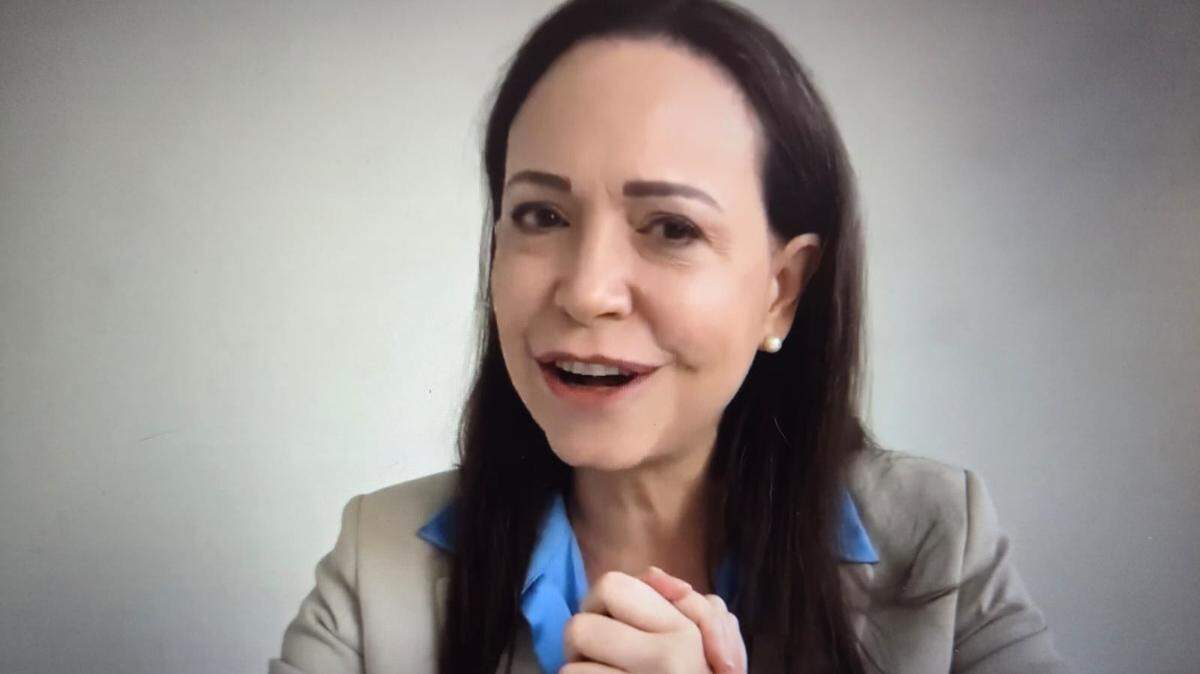
Unveiling a sweeping reconstruction plan for a post-Maduro Venezuela, opposition leader María Corina Machado told a group of international allies, investors, and civil society partners that the country stands on the brink of historic change — and called on the world to support its transition from dictatorship to democracy.
“This is very exciting,” Machado said during a video conference organized in New York by the Americas Society/Council of the Americas. “The potential is huge, not just for the Venezuelan people, but for democratic governments across the hemisphere and investors who understand what’s possible once we reach a democratic government.”
Widely seen as the face of Venezuela’s opposition, Machado delivered her remarks from an undisclosed location in the country. She went into hiding following the contested presidential election in July, amid a sweeping crackdown by the Nicolás Maduro regime that has led to more than 2,000 arrests of dissidents and opposition figures.
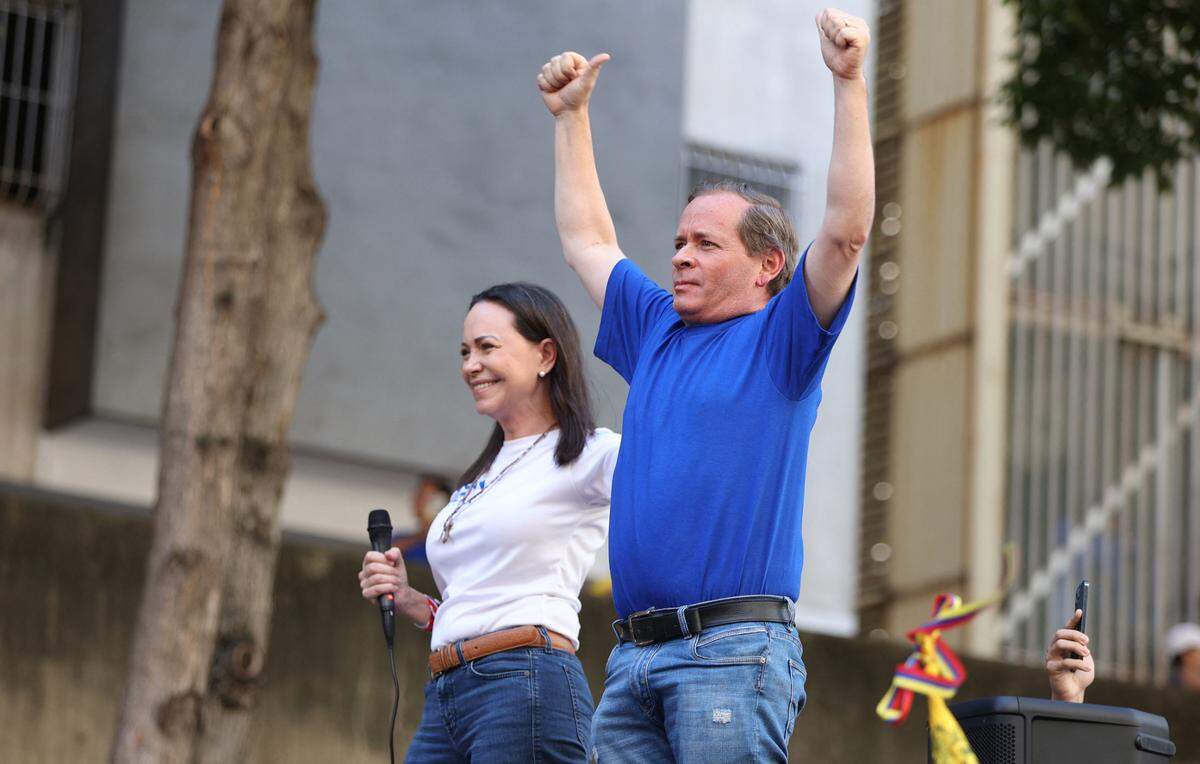
Though the regime declared Maduro the winner, polls show that nine out of ten Venezuelans believe opposition candidate Edmundo González won the election by a 2-to-1 margin. Many countries, including the United States, have publicly rejected the official results, describing the election as fraudulent.
Machado, a close ally and political mentor to González, said the Maduro regime is now more isolated than ever, noting diminishing support from traditional allies like Russia, Iran, and Syria. China, she added, has grown increasingly frustrated after being misled and financially harmed by the regime.
“China wants its debts repaid,” she said. “But they’re not taking new risks in Venezuela. They’re investing in Guyana instead.”
Machado also pointed to growing fractures within Venezuela’s military and ruling elite. “Nobody wants to go down with a sinking ship,” she said. “And that’s exactly what Maduro’s regime is.”
She described Maduro not merely as an autocrat, but as the head of a transnational criminal organization. As long as he remains in power, she warned, no meaningful economic or political progress is possible.
“Companies operating in Venezuela today are forced to partner with a criminal regime that offers no transparency, no legal protections, and no real opportunities,” Machado said. “There is no way forward under Maduro.”
Yet her message was ultimately one of hope framed around what she called a “win-win” future: the collapse of a dictatorship, the rebirth of a nation, and a unique opportunity for shared prosperity across the Americas.
Machado spoke of a country transformed by hardship. After years of repression, economic collapse, and mass migration, she said Venezuelans are now united not by ideology, but by shared values.
“There is no other society in the world today as united as the Venezuelan people,” she said. “We’ve transcended religious, racial, and class divides. What unites us now are dignity, work, family, and freedom.”
Rather than food or financial aid, she said, Venezuelans are asking for just three things: trust, dignity, and the chance to work. “And that’s what we are going to offer.”
She also addressed the Venezuelan diaspora directly, calling them essential to the nation’s reconstruction.
“Our diaspora is extraordinary,” she said. “They’ve suffered, they’ve learned, they’ve built global networks—and they are desperate to come home.”
Education, she added, will be central to the country’s revival. “It’s my passion and my obsession,” she said. “And soon, we will see our schools flourish again.”
Machado praised recent U.S. sanctions — including the revocation of oil licenses — as vital in tightening the financial noose on Maduro’s inner circle. She urged further action to cut off the regime’s illicit income streams, including drug trafficking and gold smuggling.
Addressing international investors and energy companies, Machado promised a new Venezuela grounded in the rule of law and open to serious, long-term partnerships.
“We want you here,” she said. “Not producing a couple hundred thousand barrels a day—but millions. Venezuela will become the energy hub and the most reliable supplier in the hemisphere.”
She pledged a transparent debt restructuring process and a return to international financial markets. “Creditors know they won’t be paid under Maduro,” she said. “We will.”
Her message was clear: A post-Maduro Venezuela is not only a moral cause—it is a historic economic opportunity.
In closing, Machado returned to the theme of unity and the resilience of the Venezuelan people.
“We are a different society now,” she said. “We’ve endured the worst—families torn apart, loved ones disappeared. But we’ve learned. We value freedom, justice, and dignity more than ever before.”
“This is the moment to act,” she added. “We are ready to rebuild. We want to bring our children home. And we want to do it with you.”