Venezuelan opposition figure describes brazen escape from embassy siege in Caracas
One of the five Venezuelan opposition activists who recently escaped after more than a year confined inside the Argentine Embassy in Caracas says their dramatic rescue underscores the crumbling state of the Nicolas Maduro regime’s security forces.
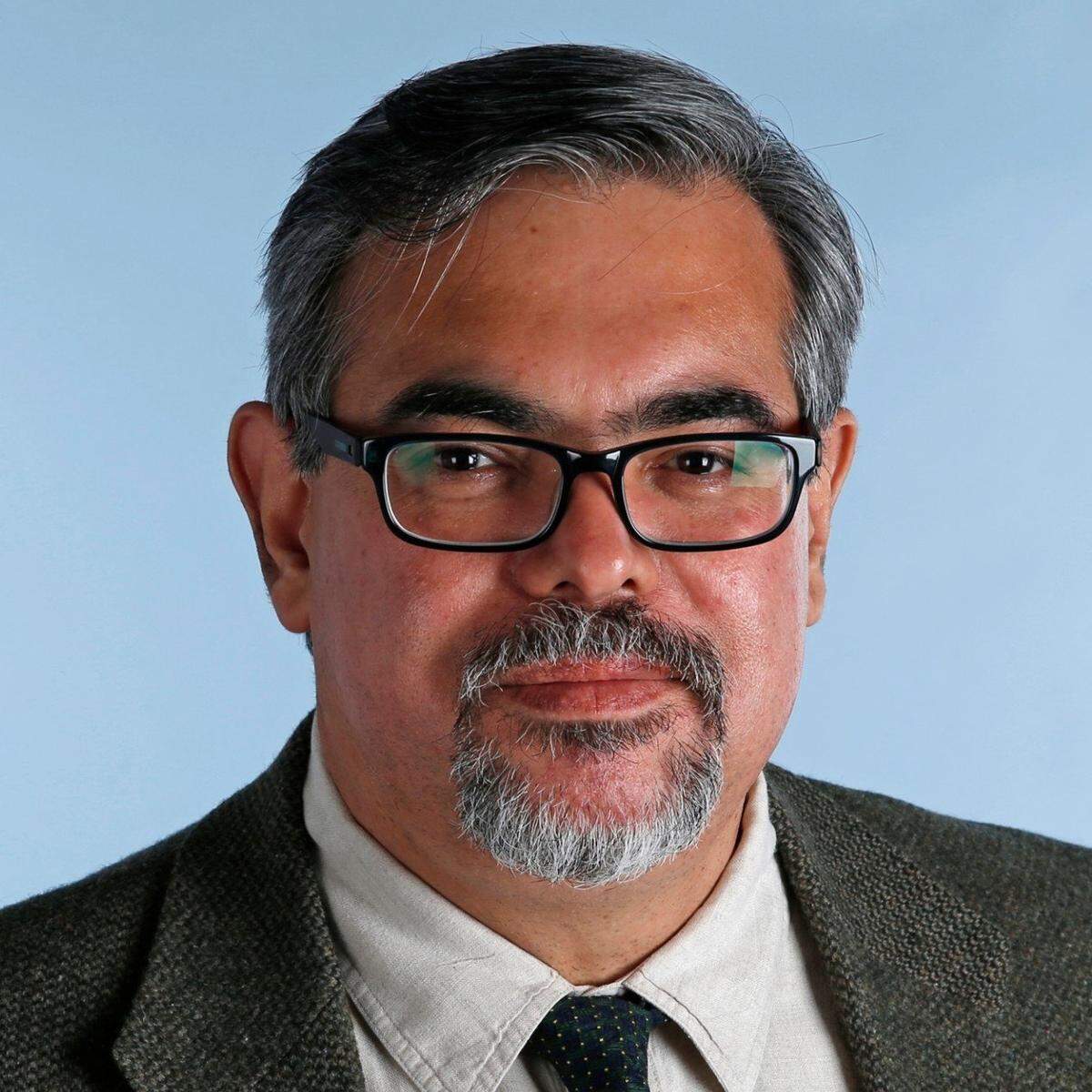
In an opinion piece published by the Venezuelan independent newspaper La Razón, former lawmaker Omar González Moreno recounted the covert mission that freed him and four others without a single shot being fired. He called it a “colossal blow” to the Maduro government.
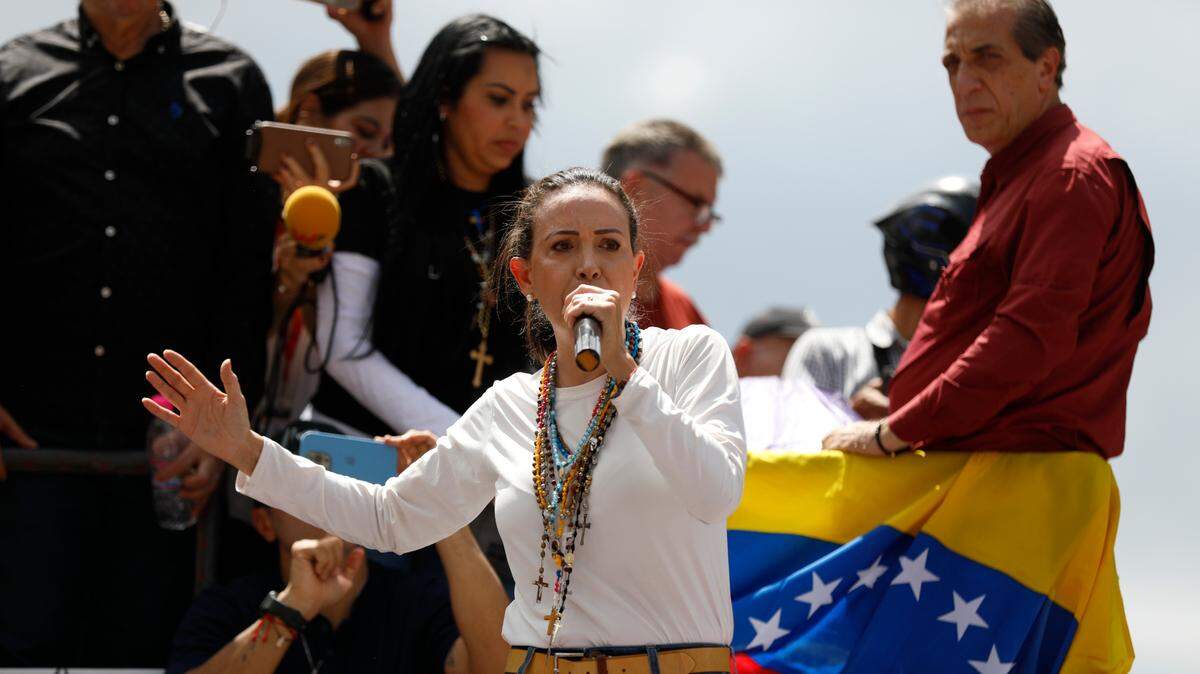
The operation — code-named Guacamaya — was orchestrated by opposition leader María Corina Machado and her allies in exile and inside the country. It ended a 14-month standoff that had turned the embassy into both sanctuary and prison for the activists.
González Moreno, along with Magallí Meda, Claudia Macero, Pedro Urruchurtu and Humberto Villalobos — all close allies of Machado — had sought refuge at the embassy in March 2024 amid growing political persecution. The residence, protected by Brazil after Argentine diplomats were expelled from Venezuela, had become a high-profile flashpoint in the country’s deepening political crisis.
“There were no shots fired, there was no chaos,” González Moreno wrote. “Just perfect synchronization, as if time itself had stopped to grant us a miracle.”
Reflecting on his departure, he described an overwhelming sense of symbolism surrounding his experience.
“As I got into the first vehicle that would pull us from the bowels of oppression, I cast one last look at the embassy and imagined Maduro fleeing in one of his planes along clandestine routes to Russia,” he wrote. “If we managed to escape from the second most guarded installation in Venezuela, what could prevent the rest of its structure from collapsing?”
His account contradicts claims by the Maduro regime that the group’s release was part of a negotiation between the Caracas socialist regime and Machado.
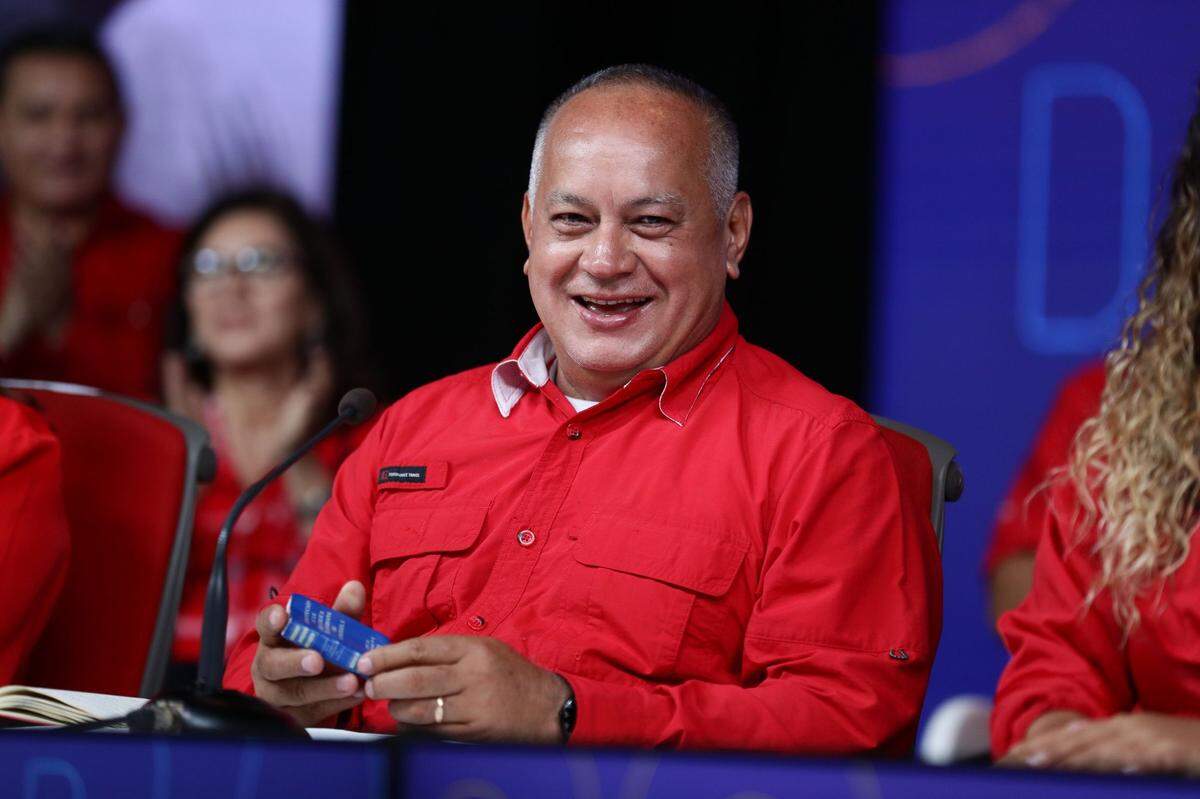
“Everyone more or less knows this was the result of a negotiation,” said Interior Minister Diosdado Cabello during his weekly TV show Con el Mazo Dando (“Hitting with the Club”) “Those claiming otherwise are just bitter they weren’t in the loop.”
After the rescue, opposition leaders confirmed the activists are now in the United States but have asked the media to respect their privacy as they recover and reunite with loved ones.
Also now out of the country is María Parisca de Machado, the mother of María Corina Machado. She left Venezuela after enduring months under house arrest, along with repeated blackouts and utility cutoffs allegedly imposed by security forces.
The opposition figures sought refuge at the Argentinian embassy as the regime kicked its repression of political opponents into high gear ahead of last July’s contested presidential election, which nine out of ten Venezuelans and a number of countries believe was won by opposition candidate Edmundo Gonzalez, who had Machado’s support.
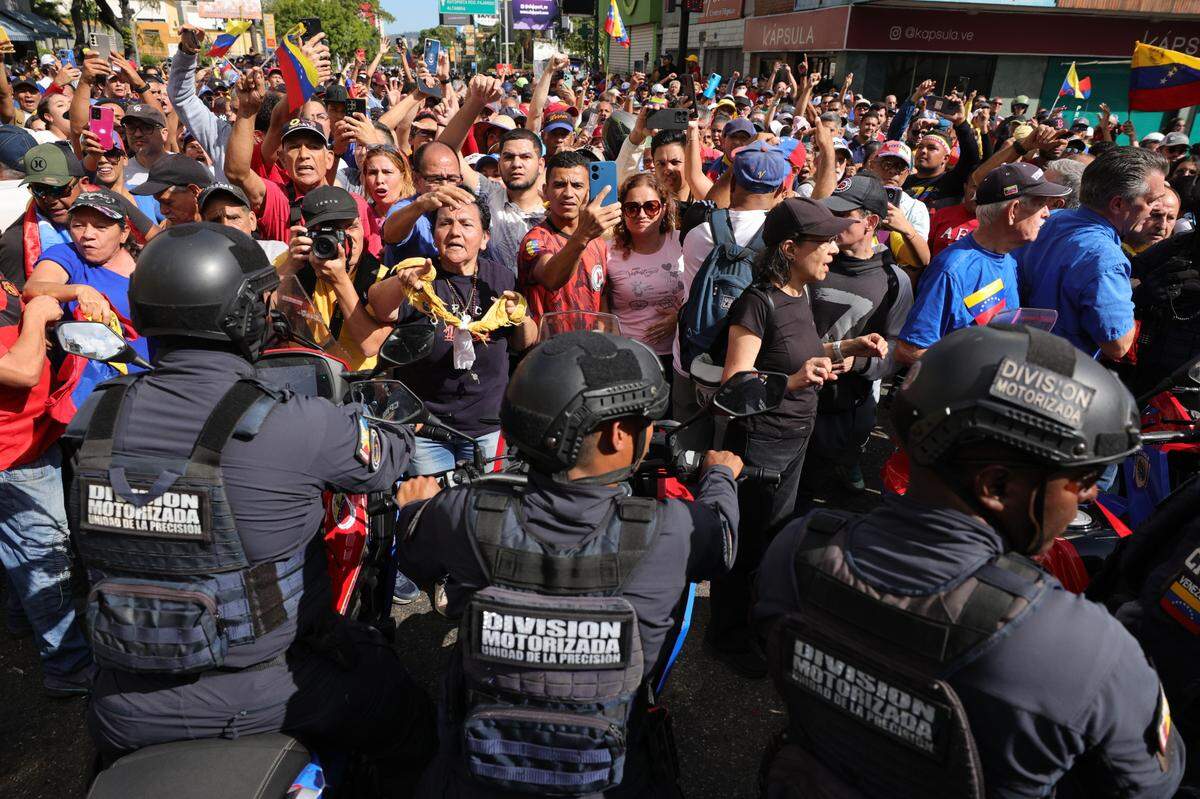
Repression intensified after the vote, which Maduro claimed he won despite evidence to the contrary. Since then, the regime has arrested hundreds of people, including political leaders, journalists and human rights activists, prompting reports from human-rights organization denouncing documented cases of extrajudicial killings, torture, enforced disappearances, and arbitrary detentions, including children.
Though he didn’t provide many details about the escape itself, González Moreno described the embassy’s transformation into what he called an “impenetrable prison,” surrounded by elite units of Venezuela’s intelligence agencies, the Bolivarian National Intelligence Service and the General Directorate of Military Counterintelligence, feared organizations whose members have several accusations of committing crimes against humanity.
He said snipers lurked in the shadows, drones patrolled the skies and guards with trained dogs evoked scenes reminiscent of Nazi concentration camps.
“Food was scarce, but more unbearable than hunger was the silence — broken only by the screams of agents, the growling of dogs, and the buzzing of their drones,” he wrote. “They wanted fear to devour us, to make us abandon our struggle, to betray María Corina, Edmundo, and the people who cried out for us from the streets.”
He described days without electricity, rationed water, and medicine shortages — all part of what he called a campaign of psychological torture.
“The embassy, meant to be a bastion of sovereignty, became a theater of despair. The days stretched into eternity,” González Moreno wrote. “Without electricity, we lived by candlelight. Without water, we feared the day there’d be none left.”