Daring rescue or political fiction? Caracas mocks U.S. narrative about embassy operation
The departure this week of several Venezuelans who were holed up inside the Argentine embassy in Caracas was touted by the U.S. and Venezuelan opposition as a daring extraction.
But the Nicolás Maduro regime is pushing back hard, launching a media campaign to downplay what the U.S. labeled a “rescue” of five opposition figures it called “hostages” from the embassy. Officials claim the individuals negotiated their exit and could have simply walked out at any time.
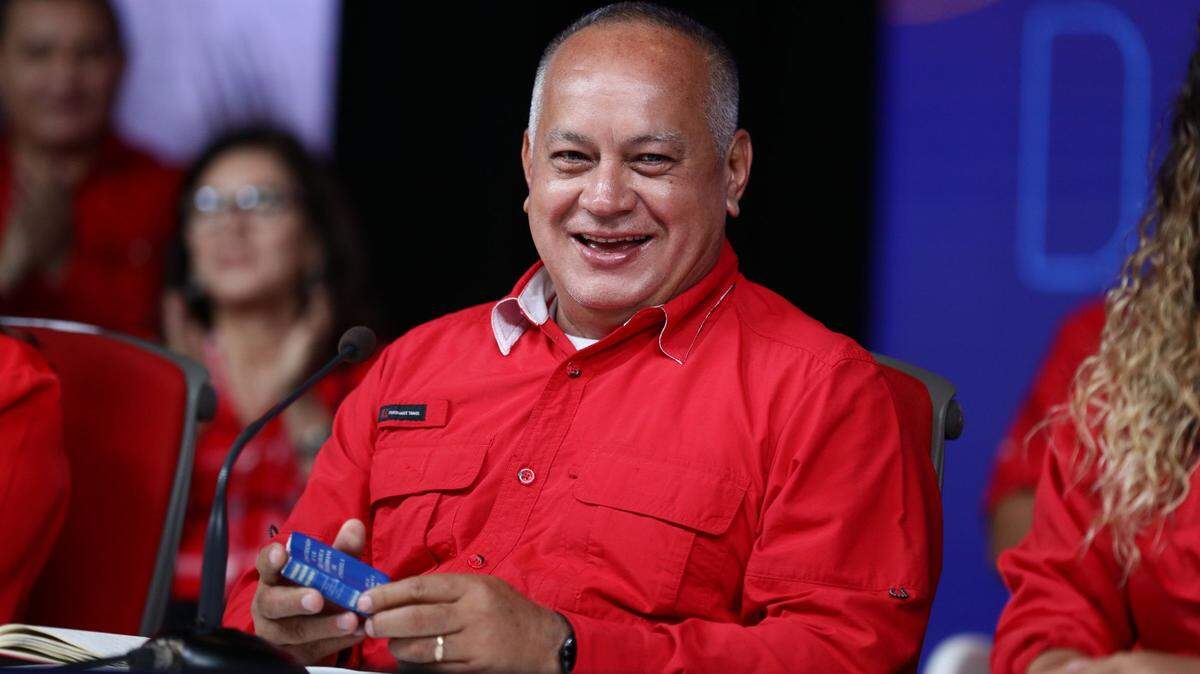
“Everyone more or less knows this was the result of a negotiation,” Interior Minister Diosdado Cabello said Wednesday night on his weekly television show Con el Mazo Dando (“Hitting with the Club”). “Those claiming otherwise are just bitter they weren’t in the loop.”
The claims come amid a cloud of secrecy surrounding the operation. Few details have emerged, while speculation and unverified reports swirl on social media — some suggesting U.S. or even Argentinian military forces were involved in a mission worthy of a Hollywood thriller.
Fueling the intrigue are the words of U.S. officials, including Secretary of State Marco Rubio. In a message posted Tuesday night on X, Rubio extended gratitude “to all personnel involved in this operation” and to “our partners who assisted in securing the safe liberation of these Venezuelan heroes” — a message widely interpreted as hinting at U.S. involvement.
Opposition leaders have confirmed that the people who were in the embassy are now in the United States. While the opposition has pledged to eventually share the full story, they have asked the media to respect the privacy of the people who were in the embassy as they recover and reunite with their families.
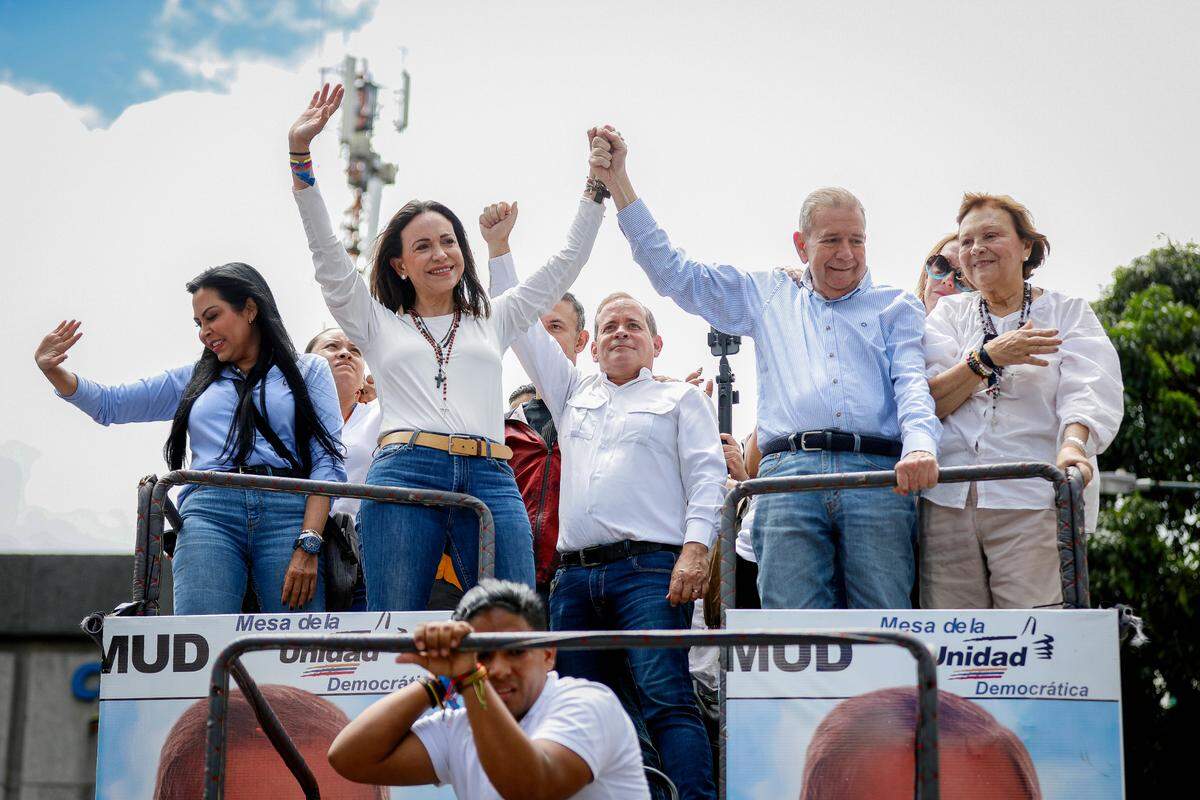
The people involved — Magallí Meda, Claudia Macero, Omar González, Pedro Urruchurtu, and Humberto Villalobos — are key allies of opposition leader María Corina Machado. They had taken refuge in the Argentinian embassy residence in March 2024 amid intensifying political persecution. The embassy, operating under Brazilian protection after Argentina’s diplomats were expelled from Venezuela, had become a flashpoint in the broader diplomatic standoff.
Also now outside Venezuela is Machado’s mother, María Parisca de Machado, who managed to board a flight out of the country after enduring months of house arrest and intermittent loss of basic utilities imposed by security forces.
But Caracas isn’t buying the dramatic rescue narrative. Regime officials are ridiculing what they call the opposition’s so-called “Great Escape.”
Mocking the operation’s portrayal, Cabello said, “According to them, it was like a “Mission Impossible” scenario—with super-commandos in Caracas rescuing prisoners from the dungeons of an embassy.”
He dismissed the notion that the individuals were under siege: “This is a completely false narrative they’ve been crafting for over nine months, claiming they were trapped without access to water or electricity.”
According to the interior minister, the five had voluntarily sought asylum at the embassy and were free to leave at any time. “They just didn’t want to come out the front door because they were too embarrassed,” he said, adding sarcastically that he had even offered to provide a ladder or a rope so they could climb out through a window—but they declined and kept the ladder.
However, regime claims that the five were free to leave have been consistently denied by opposition members, who for months maintained that the Maduro government refused to issue the necessary safe-conduct documents required for them to exit the country legally.
Reacting to Cabello’s comnents, U.S. State Department spokesperson Natalia Molano told a Venezuelan reporter in Miami Thursday morning that there were no negotiations held to release the people in the embassy.
“It wasn’t any kind of negotiation; it was an extraction, a very precise operation,” Molano stated in an interview with the channel VPITV. She added that she could not confirm whether U.S. personnel participated in the rescue operation inside Venezuela.
This story was originally published May 8, 2025 at 11:47 AM.