Five million Venezuelans don’t have enough to eat, United Nations report says
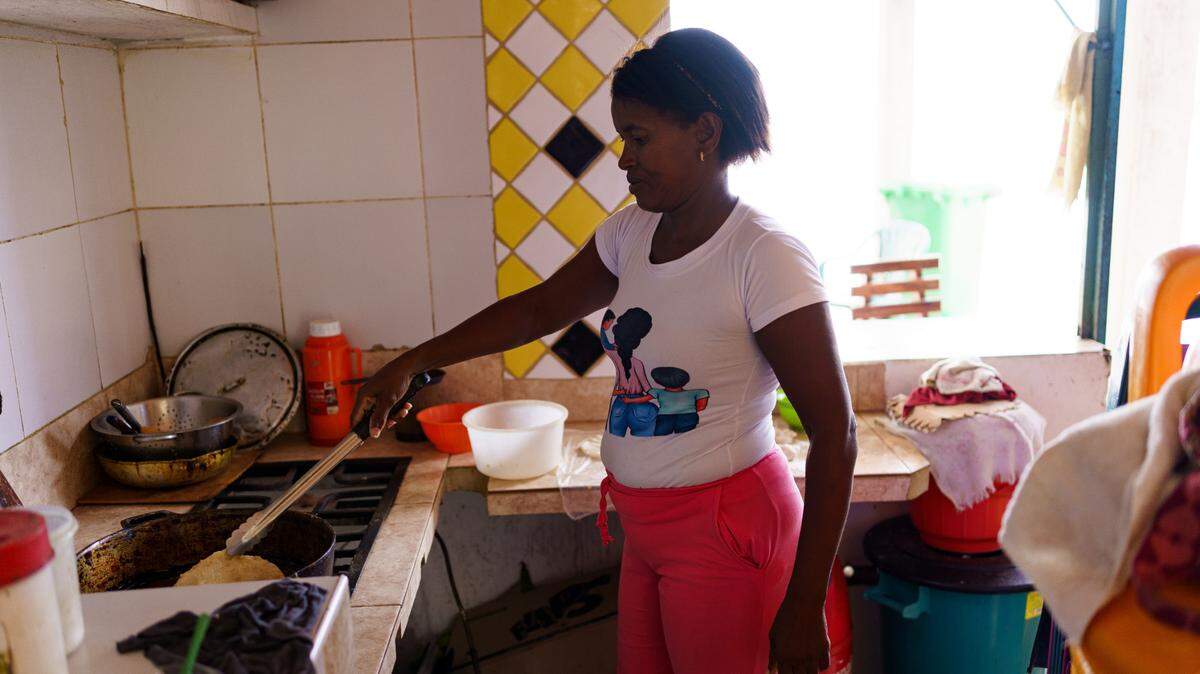
Venezuela boasts of having the largest oil reserves on the planet, and a massive exodus of its people means that there are almost eight million fewer mouths to feed, but still some five million Venezuelans are going hungry in the country, the United Nations says, a number that surpassed only by Brazil and Haiti in the Western Hemisphere.
According to the most recent report from the U.N. Food and Agriculture Organization , hunger afflicts 17.6% of Venezuela’s population, a rate that is among the highest in the region.
The report, Regional Overview of Food Security and Nutrition in Latin America and the Caribbean 2024, identifies Haiti as the country in the region hardest hit by hunger, with a total of 5.8 million people, equivalent to 50% of it’s population, not having enough to eat.
In the case of Brazil, hunger affects 8.4 million people, but that only represent 3.9% of its population.
Venezuela’s rate is also surpassed by Bolivia (23%), Honduras (20.4%) and Nicaragua (19.6%), three countries that alongside Haiti have traditionally been considered among the poorest in the region.
In overall terms, hunger affected a total of 41 million people in the region in 2023, which represents a 2.9 million decrease from the 2022 numbers. But food production in the region is highly vulnerable to climate change and extreme weather events, which exacerbate the challenges caused by structural problems such as political conflicts, economic slowdowns, high levels of inequality and lack of access to affordable healthy diets, the report said.
The combined effect of these factors are having worrisome impact in the development of future generations, Karin Hulshof, UNICEF’s regional director for Latin America and the Caribbean, said in the report.
“In Latin America and the Caribbean, one in ten children under five lives with stunting. Undernourishment and overweight coexist in the region, exacerbated by high exposure and vulnerability to climate events in the most affected communities. This double burden of malnutrition daily threatens the full development of children,” Hulshof said. “Any decision on climate action must prioritize the right to food and nutrition for children, women, and families.”
Venezuela’s bout with hunger is striking given that the nation had one of the highest standards of living in the region just a few decades ago thanks to its formerly abundant oil wealth. Just before former president Hugo Chavez launched a socialist revolution in in early 2000s, the country was producing around 3 million barrels per day and it had plans to increase that volume to 5 million to take advantage of its estimated 300 billion barrels in oil reserves to cement its place as one of the worl’s largest exporters.
Those plans, however, were tossed aside during the early stages of the Bolivarian Socialist Revolution and years of mismanagement and corruption caused production to fall bellow the level of one million barrels per day.
More than 7.7 million Venezuelans have left the South American country to escape the poverty and violence they attribute to the socialist regime in Caracas, and many have ended up seeking refuge in Colombia, Peru, Brazil, Chile and the United States.
This story was originally published January 28, 2025 at 2:15 PM.