Crisis about to trigger regional flood of refugees out of Venezuela, opposition says
With the announcement that he won his reelection universally challenged, Venezuelan strongman Nicolás Maduro is moving quickly to transform his regime into a more brutal dictatorship that in all likelihood will trigger a flood of refugees that will cause havoc in neighboring countries as they try to move towards the U.S. border.
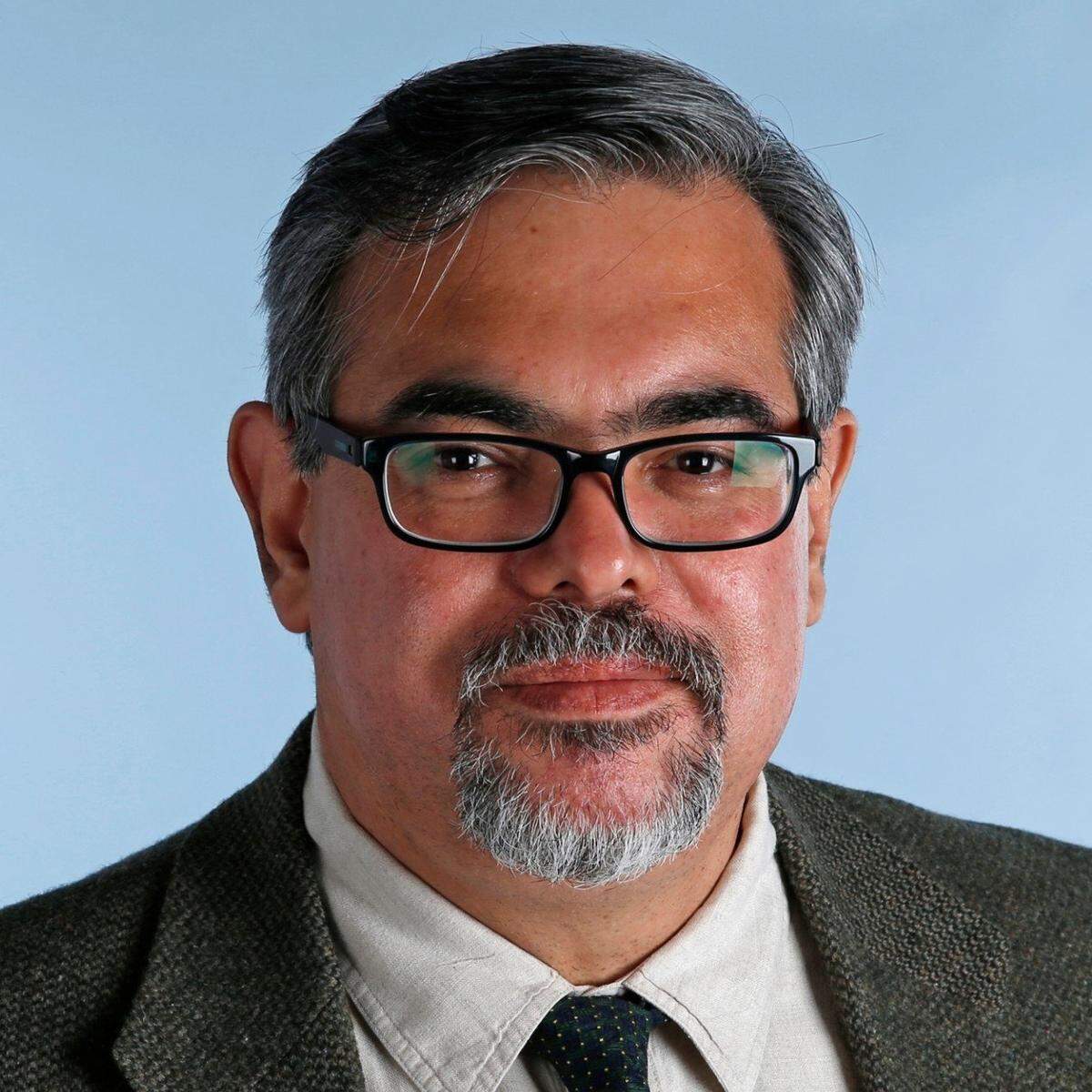
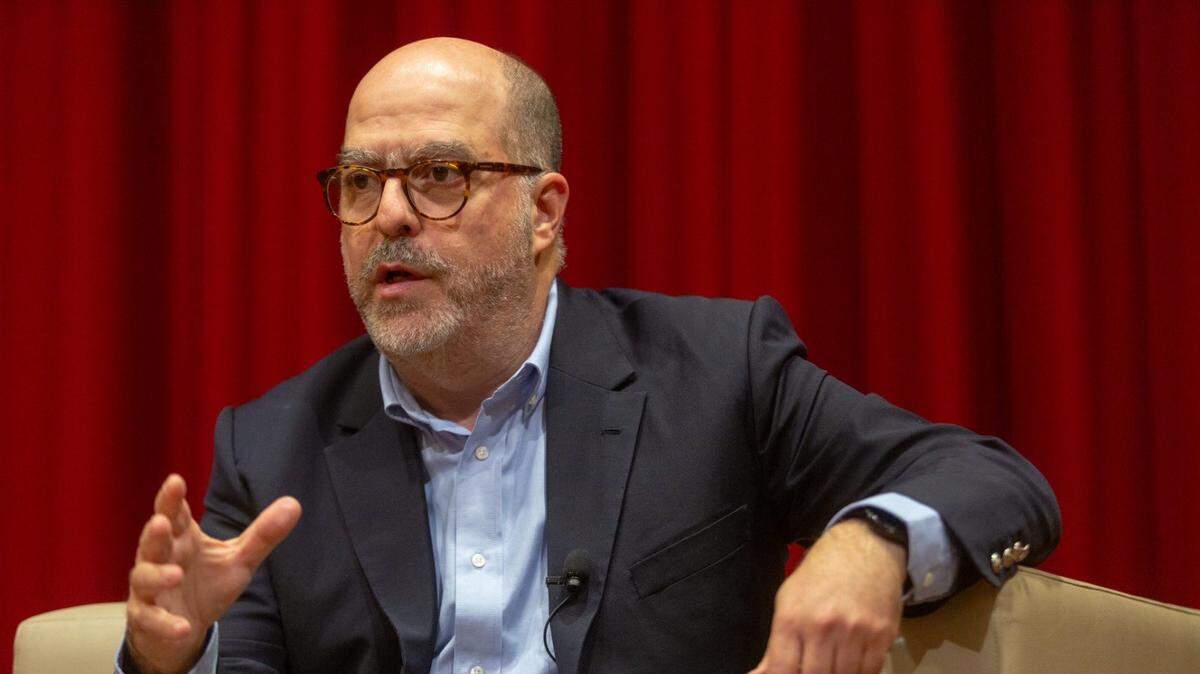
And the reaction of regional leaders, including the United States, to the alleged electoral fraud has been so timid that the refugee scenario at this point looks almost like a certainty, warned former National Assembly president Julio Borges, one of the top figures of the Venezuelan opposition.
“The political response has so far fallen short,” Borges told the Miami Herald in a telephone interview. “We are very concerned about the passage of time. It has been 10 days after the election, and our fear is that if we don’t soon see a bold proposal on the table, one that recognizes the results of the July 28th election, we will soon find ourselves immerse in a labyrinth of devastating consequences for the region”.
A number of polls conducted before the election showed that 20% of the Venezuelan population have decided to leave the country if Maduro is not removed from power this year. That would translate into another five million Venezuelans seeking refuge in other countries. But in comparison to the estimated 7.7 million who fled the regime over the past 10 years, the new exodus could take place quickly.
The Venezuelan opposition, led by leader María Corina Machado, claims that their presidential candidate, Edmundo Gonzalez, the former ambassador to Argentina, resoundingly defeated Maduro in the election, getting more than 65% of the votes, with Maduro obtaining about 30%.
This claim is disputed by the country’s elections board, an agency tightly controlled by the regime that lacks independent monitoring, which on election night claimed that Maduro won with just over 51% of the vote.
The opposition’s results, however, are backed by the official paper tallies of more than 80% of the country’s voting stations, while the regime has so far been unable to provide the official tallies supporting its claim of victory despite repeated calls from the international community to provide the evidence.
Regional leaders, including the United States, expressed doubts about the credibility of the regime’s claim and have said González won the election. But they then proceeded to adopt a wait and see attitude to allow countries such as Mexico, Brazil and Colombia to begin negotiations with the regime. That is a big mistake, Borges said.
“We are now under a sort of paralysis, since they are now giving time for this alleged process of negotiations to work, without any sign that it is actually moving forward,” Borges said. There are reports that the regime has hired representatives to conducting a major lobbying effort in Colombia, Mexico and Brazil to convince their governments to stop asking Maduro to produce the official voting tallies that confirm his claim of victory, he added.
Under those conditions, Maduro will most likely conduct the negotiations into a quagmire from which it will never emerge, a successful tactic the regime has used in the past.
Meanwhile, Maduro is wasting no time. Given the collapse of the strategy that he had set out for the election, he is now moving quickly to transform his authoritarian regime into a full pledged dictatorship, which is bound to be even more brutal than the one currently in control of Cuba, and one willing to strictly adhere to the interests and control of Beijing and Moscow, Borges said.
“What Maduro is seeking at this point is to formally graduate as a dictator. He wants Venezuela to become a business branch for Russian, Chinese and Iranian interests. And this must be understood in the context that Venezuela has no less than a quarter of the world’s oil reserves and the eighth largest gas reserves in the world,” he added.
“The move that Maduro made after July 28 is much bigger that could be seen in terms of its grave consequences... and seem destined not just to turn Venezuela into another Cuba, but into North Korea,” he said.
The Caracas regime has launched a brutal crackdown following the opposition’s claim that he is trying to steal the election. Machado said last week in an op-ed published in the Wall Street Journal that she is in hiding and that she fears for her life and her freedom. Maduro’s security forces have arrested at least 2,000 people since the election.
Human rights groups have said that at least 20 people have been killed since the crackdown began and dozens more have been injured, while armed paramilitary groups roam the streets, at times firing on protesters.
Maduro has also announced plans to shut down social media apps, claiming that they are being used to coordinate rebellious acts.
Commenting on a recent Maduro pronouncement to stop the usage of Whatsapp in Venezuela, Borges said he takes the remarks seriously because it was made amid the regime’s plans to begin to use technological tools to restrict the usage of social media in the country.
The transformation of a Caracas regime into a full-blown dictatorship would without doubt be a tragedy for Venezuelans, but it also poses grave security threats for Colombia and Brazi _ with which it shares long land borders — but also for Mexico and the United States, said Borges, one of the founders and top leaders of the opposition party Primero Justicia.
Not all governments have come to understand the risk posed by the totalitarian path adopted by Maduro in the aftermath of the election, the opposition leader said.
The left-leaning presidents of Brazil, Luiz Inácio Lula da Silva, and Colombia, Gustavo Petro, which have traditionally been considered allies of Maduro, need to realize that this is no longer an issue of political ideology, but one that threatens devastating consequences to their own countries, Borges said.
Miami Herald staff writer Ana Claudia Chacin contributed to this story.
This story was originally published August 7, 2024 at 6:03 PM.