Two-day summit in Colombia on Venezuela crisis fails to untangle deadlock
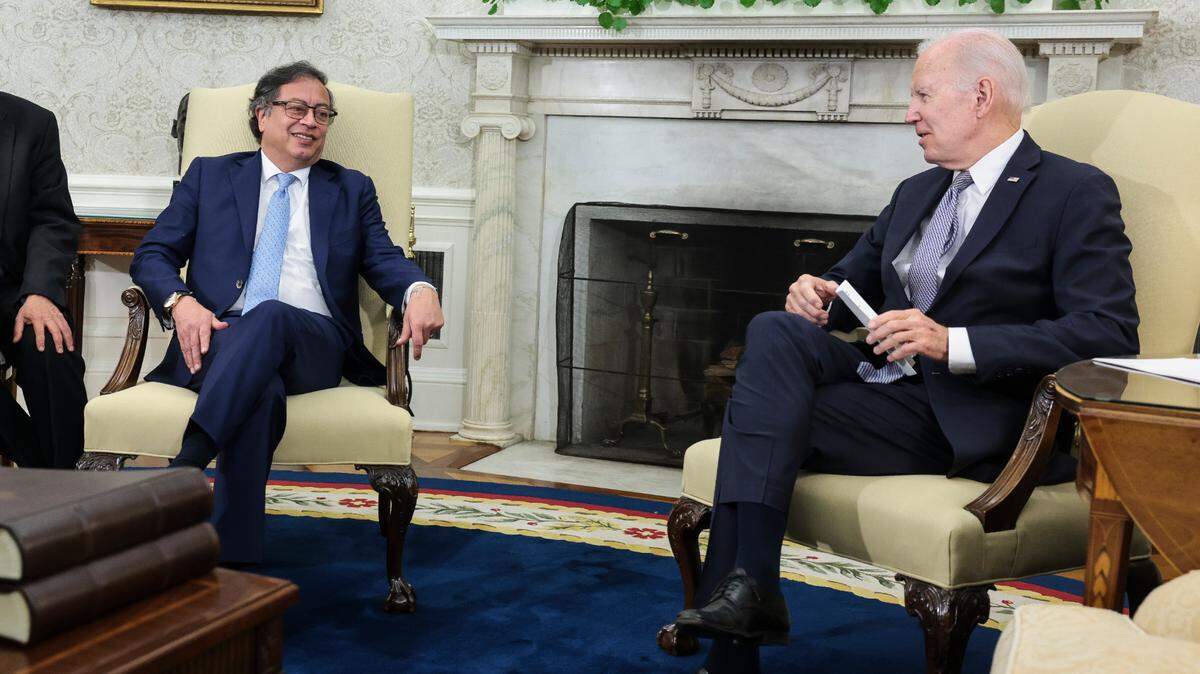
The international gathering on Venezuela organized in Colombia by President Gustavo Petro failed to meet expectations this week with participants reiterating at its closing the same positions they held at the beginning, analysts said.
The meeting, which brought diplomats from about 20 countries to Bogotá, was also overshadowed by the expulsion of opposition leader Juan Guaidó, who said he had entered Colombia hoping to express to participating delegations the feelings of millions of Venezuelans trapped under the Nicolas Maduro regime.
Guaidó, who arrived in Miami early Tuesday morning, said he will hold a press conference in the coming days.
At the summit’s end, Colombian Foreign Minister Álvaro Leyva read a brief statement containing the gathering’s conclusions, reiterating the need to create a roadmap to hold free and fair elections in Venezuela.
But whatever steps Caracas needs to take must be accompanied by the gradual lifting of U.S. sanctions imposed on Venezuela, which must also be given access to billions of dollars set aside for humanitarian aid as a precondition for its participation in talks in Mexico with opposition leaders, Leyva’s statement said.
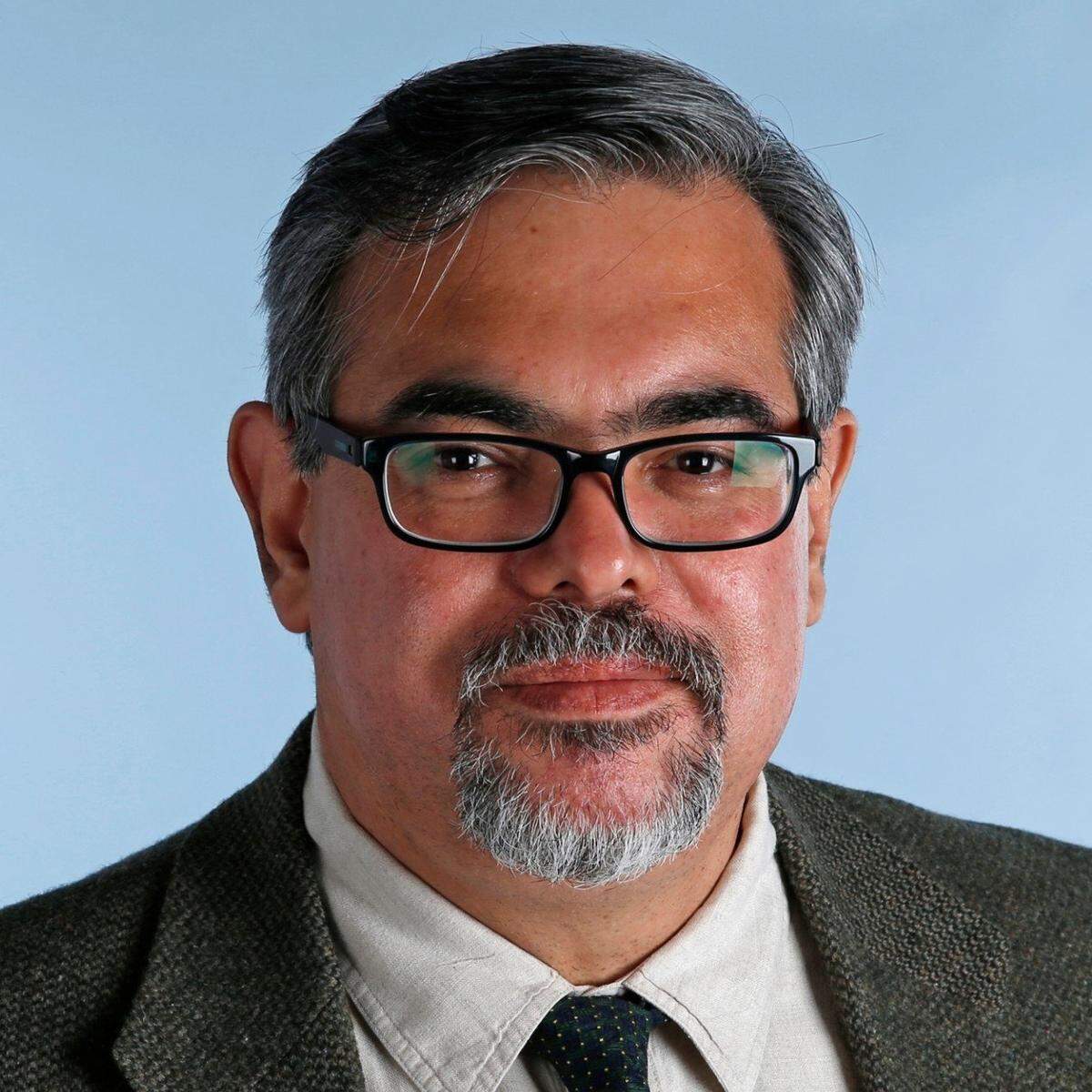
That’s exactly where things were before the gathering began, said Asdrubal Aguilar, lawyer and secretary general of the Democratic Initiative of Spain and the Americas, an organization that brings together more than 20 former Latin American and Spanish presidents.
“It’s more of the same; a total waste of time, this meeting,” Aguilar said. “This is really sad. Everything is oriented towards the stabilization of the Venezuelan regime.”
Given the lack of results, the treatment that Guaidó received from the Colombian authorities ended up being the meeting’s main take-away, he said. “There was a central actor and that was Juan Guaidó. Until yesterday, he was the interim president of Venezuela with a constitutional legitimacy that no country had questioned.”
Efforts to find a negotiated solution to the protracted Venezuelan crisis continue at a standstill given the regime’s desire that the United States lift sanctions immediately and Washington’s insistence that Caracas must first take serious steps towards guaranteeing free and fair elections.
The U.S. has stressed that it has already provided sufficient good-faith signs, after releasing Maduro’s two nephews, who were serving time in New York for conspiring to import cocaine into the country, and removing another nephew of the presidential couple from the Treasury Department’s sanctions list.
Previous diplomatic engagements between Caracas and Washington also led to the Biden administration allowing U.S. company Chevron to operate more freely in the South American nation with the hope of allowing Venezuelan oil to regain access to U.S. markets.
But the Caracas regime seeks more concessions, demanding that the sanctioned, state-run oil company, Petroleos de Venezuela, be allowed to recover access to the international banking system. The Maduro government demanded this week to be given access to a $3 billion fund established to attend humanitarian needs in the country.
Jon Finer, the White House Deputy Senior National Security Adviser who was sent to the summit to represent the United States, insisted at the meeting that Washington needs to see serious steps from Caracas before making any further concessions.
“The United States remains firmly committed to the Venezuelan people and will continue to work with the international community to support the restoration of democracy and the rule of law in the country so that Venezuelans can rebuild their lives,” Finer said, emphasizing that the Biden administration wants to see the adoption of “a step-by-step approach where concrete actions to restore Venezuelan democracy, leading to free and fair elections, are met with corresponding relief from sanctions.”
Electoral guarantees are deemed as necessary given the regime’s long history of electoral fraud, analysts said. In the last presidential election in Venezuela, in 2018, in which Maduro declared a landslide victory, the evidence of fraud was so overwhelming that the United States and the vast majority of Latin American countries quickly disregarded his legitimacy as president of Venezuela.
Meanwhile, the spotlight is on Guaidó, who before leaving for Venezuela said he had information that the regime was about to arrest him. The opposition leader was recognized by the United States and more than 50 other nations as the legitimate president of Venezuela until his so-called interim government was dismantled by the opposition earlier this year.
Among his closest allies was the Colombian government, but that situation changed drastically after the election victory of Petro, who last year became the country’s first leftist president.