Three little-known Venezuelan deputies will lead opposition National Assembly from exile
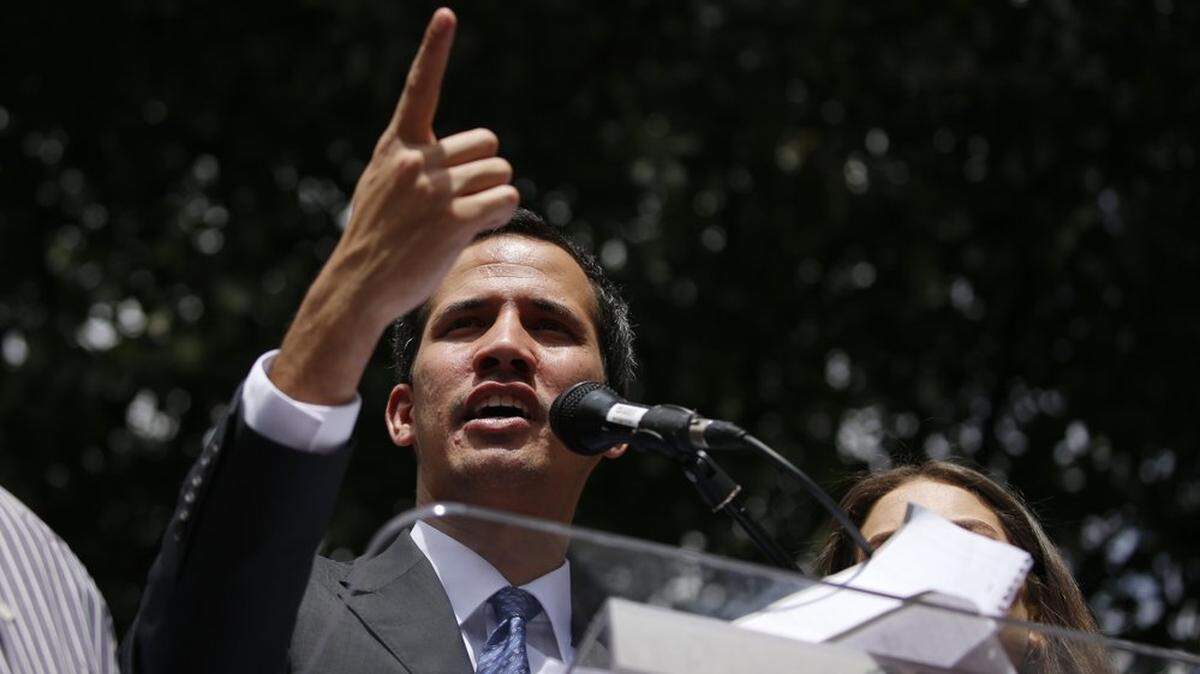
The Venezuelan opposition appointed three exiled, little-known deputies on Thursday to occupy the top leadership of the National Assembly, turning a new page in the struggle against the Nicolas Maduro regime following the dismantling of the so-called “interim presidency” of Juan Guaidó.
In a brief session held on Thursday morning, the opposition legislators named deputies Dinorah Figuera, from the Primero Justicia party, as the new president of the National Assembly, replacing Guaidó, who held the position until Thursday.
Opposition leaders also appointed Marianela Fernández, from the Un Nuevo Tiempo party, as first vice president of the legislative body and Auristela Vásquez, from Acción Democrática, as second vice president. The three opposition parties spearheaded efforts last week to end the interim presidency, considering that the political platform had outlived its usefulness.
The new leaders of the National Assembly currently reside outside Venezuela, forming part of a large number of opposition leaders who have been forced to leave the country, fleeing repression from the Maduro regime. Figuera and Vásquez currently reside in Spain, while Fernández is in Atlanta.
The appointment marks a change in the leadership of the opposition movement that for the past four years had been dominated by Guaidó and his political party, Voluntad Popular.
Before the so-called interim presidency was dismantled by the opposition last week, Guaidó was considered by the United States and dozens of other countries as the legitimate president of Venezuela, even though he had no control over Venezuelan territory or over the country’s institutions.
Figuera, a breast-cancer survivor, said during her inauguration speech that she was a fighter and no stranger to adversity, and added that members of the opposition must keep faith in order to overcome the obstacles that lie ahead. “Just as I recovered from a cancer from which I had no hope of overcoming, I can tell you that faith” is essential to continue in the fight, she said.
The opposition-controlled National Assembly, whose members were elected in 2015, does not exercise any real power in Venezuela, where a parallel parliament made up of regime supporters also operates, but continues to be considered by members of the international community as the last remaining democratic bastion in the South American country.
On Tuesday, the U.S. said it will continue to support the Venezuelan opposition after learning of the decision to dismantle Guaidó’s interim administration.
“The United States continues to recognize the National Assembly democratically elected in 2015 as the last remaining democratic institution in Venezuela,” State Department spokesman Ned Price said in a statement. “The United States supports the Venezuelan people in their desire for a peaceful restoration of democracy through free and fair elections and will continue to support Venezuela’s democratic opposition.”
This story was originally published January 5, 2023 at 1:28 PM.