
Senators air frustration on U.S. foreign policies and lack of progress on Venezuela
U.S. senators aired frustration with what they say is a lack of results from U.S. policies aimed at restoring democracy in Venezuela during a Thursday hearing in which they grilled Biden administration officials on what they are doing to get American hostages released and pressure leader Nicolas Maduro to return to the negotiating table with the opposition.
During the Senate Foreign Relations Committee hearing, assistant secretary of State for Latin America, Brian A. Nichols, said the Biden administration was focused on getting Maduro and the Venezuelan opposition back to formal negotiations in Mexico City in the hopes for democratic elections. He said that there were “significant advances” on that end.
But in a tense exchange, Sen. Bob Menéndez, D-N.J., the committee chairman, contested that view and said Maduro was “buying time.”
“How long are we going to wait for a formal process to take place?” Menéndez asked. “He [Maduro] is taking gold out of the country, he is letting our adversaries actively engage in our Western Hemisphere, he has U.S citizens held hostage. How long are we going to tolerate that?”
Nichols said that the administration was ready to “snap back sanctions, ready to take comprehensive measures if this process does not move forward” but did not provide a timeline.
Menéndez replied in a frustrated tone: “It’s already taking a long time, and in the interim, he has turned the country into a narco-state. And nothing is happening.”
Other senators also echoed his views, including Tim Kaine, D-Va., who called efforts by current and past administrations to bring democracy to Venezuela a “failure.” He then suggested the administration should focus on expanding humanitarian aid to Venezuelans — the U.S. is already the biggest donor, with almost $2 billion spent in humanitarian efforts since 2017 — and creating “the political space” for the opposition to compete in the next Venezuelan presidential elections in 2024.
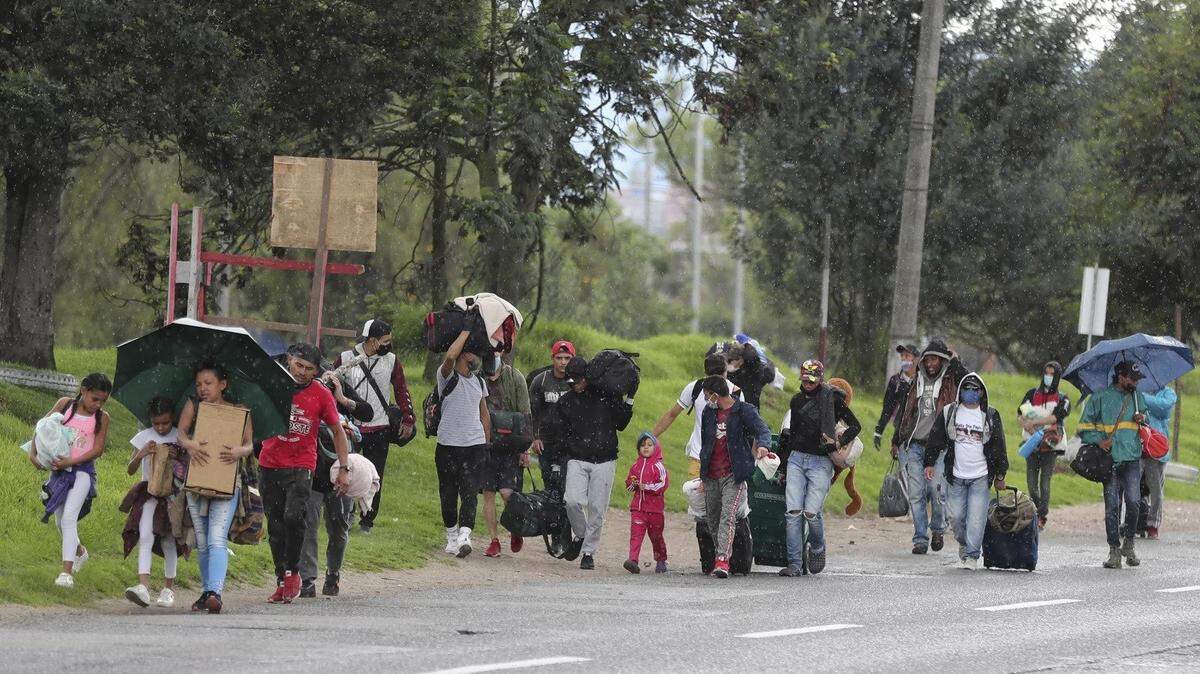
Critics say Maduro has steered what was once one of the wealthiest nations in the continent, with a vast oil reserve, to an abysmal humanitarian crisis that has driven an exodus of almost seven million Venezuelans and left most of the population living in extreme poverty. Neither massive protests nor a near coup in 2017 succeeded in unseating him. The opposition and the U.S.-backed interim government led by former Assembly member Juan Guaidó had tried to engage in talks with Maduro representatives to reach a political deal, but without success.
While assuring the U.S. still supports Guaidó, Nichols admitted that the international recognition of the interim government has diminished and said the administration has to adjust its policies to that reality.
Florida Republican Sen. Marco Rubio and other senators asked Nichols about a trip to Venezuela taken by senior administration officials to meet Maduro in March. He confirmed media reports that the officials offered to ease some sanctions in exchange for progress in the negotiations with the opposition but denied the same offer was extended to negotiate the release of Americans detained there. Venezuela freed two Americans after the visit.
There are at least 10 Americans still detained in the South American nation, including five executives from the oil company Citgo. Nichols added that the conversations led by U.S. special envoy for hostage affairs Roger Carstens with the Maduro regime were “ongoing.”
This story was originally published September 15, 2022 at 6:16 PM.