
Miami didn’t just welcome me — it turned a Haitian kid into a World Cup co-captain | Opinion
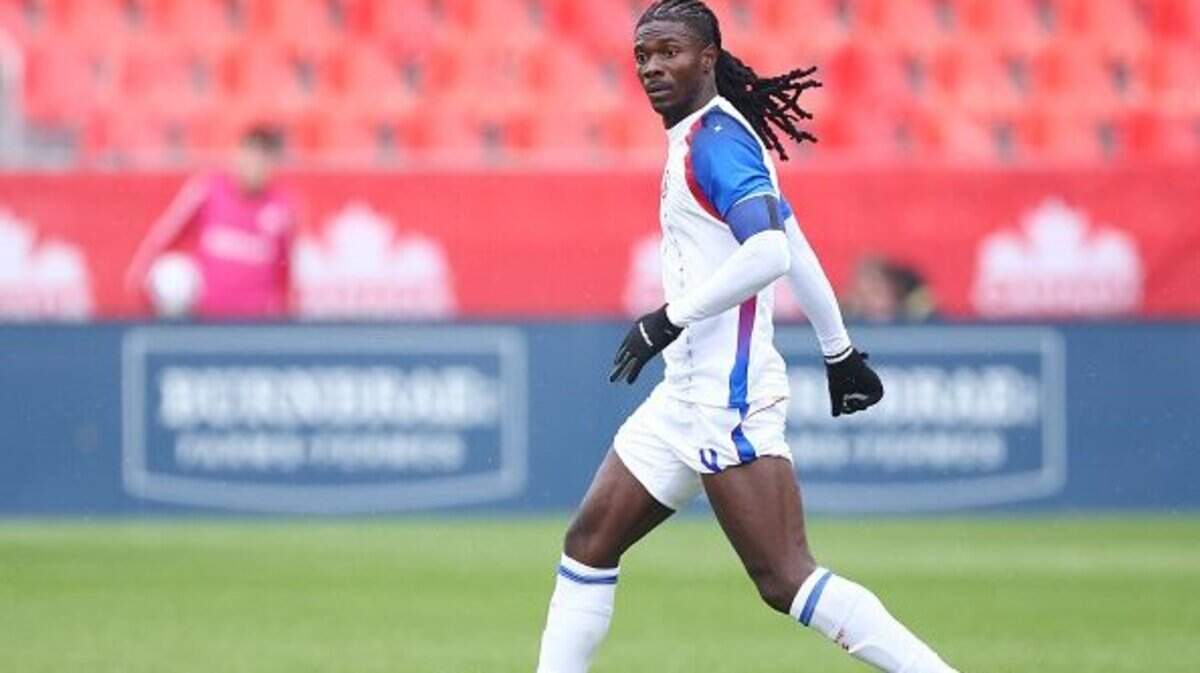
I came here with a plan, my mother’s prayers and one pair of cleats. The city was loud and hot and nothing like I expected. For the first few months I didn’t say much. On the field I just played and let my game speak for me.
By then, soccer had already taken me from Haiti to Thailand to Miami. I didn’t know what came next. But the Haitian community found me before I found them. They weren’t my family, but they made themselves my people. The food, the music, the energy — it pulled me in. A few months after I arrived, a man watched me play in a park on a Tuesday afternoon and said: “You’re talented, you’re wasting it, come back Saturday.” That was my recruitment.
He already knew I could play. He just gave me somewhere to play. That’s the part people miss. Roberto Sacca, who was CEO of Miami United, and my coach Claudio Frean — men who had earned real credibility in that city — spent some of it on me. They vouched for me when I didn’t have enough English to describe myself. They showed up for me when I had no family in the stands. They debated my potential like their own future was riding on it.
The matriarchs who fed the team. The men and women who had left Haiti with nothing and rebuilt their whole lives from scratch, learned a new language and still found time to stand on a sideline and cheer. The grandmothers who prayed like it was Sunday mass — and I think for them, it was.
Maybe there’s a version of my life where I make it without Miami. I can’t imagine it.
Now I’m here. FIFA World Cup 2026. I still don’t have the right words for it, and I speak four languages. My mother is in the stands and I feel the same thing I felt as a kid on a field in Haiti — just the game and the love of it.
I’ve played across several countries, and now I call Ecuador home, playing as a defender for L.D.U. Quito. I stand in stadiums in South America and feel the crowd and think: My people are here, too.
The Haitian diaspora. Everywhere. Montreal, Boston, New York and Miami and every city on earth. The ones who left by choice. The ones who had no choice. I see them holding a flag that carries so much feeling, so much history. I play for them every time.
This moment is for anyone who just needed one community, one city, one man in a park to say: I see you. Because of them I get to stand in the biggest stadiums in the sport and say, we made it. This is for the diaspora. It was always for the diaspora.
For the second time in 52 years, our small country is here.
Merci, Haiti. Merci, Miami. Merci à tous.
Ricardo Adé is co-captain for the Haiti National Team FIFA World Cup 2026 and is a center back for Ecuador’s LDU Quito.