‘It became a movement’: Film focuses on Haitians efforts to build Ouanaminthe canal
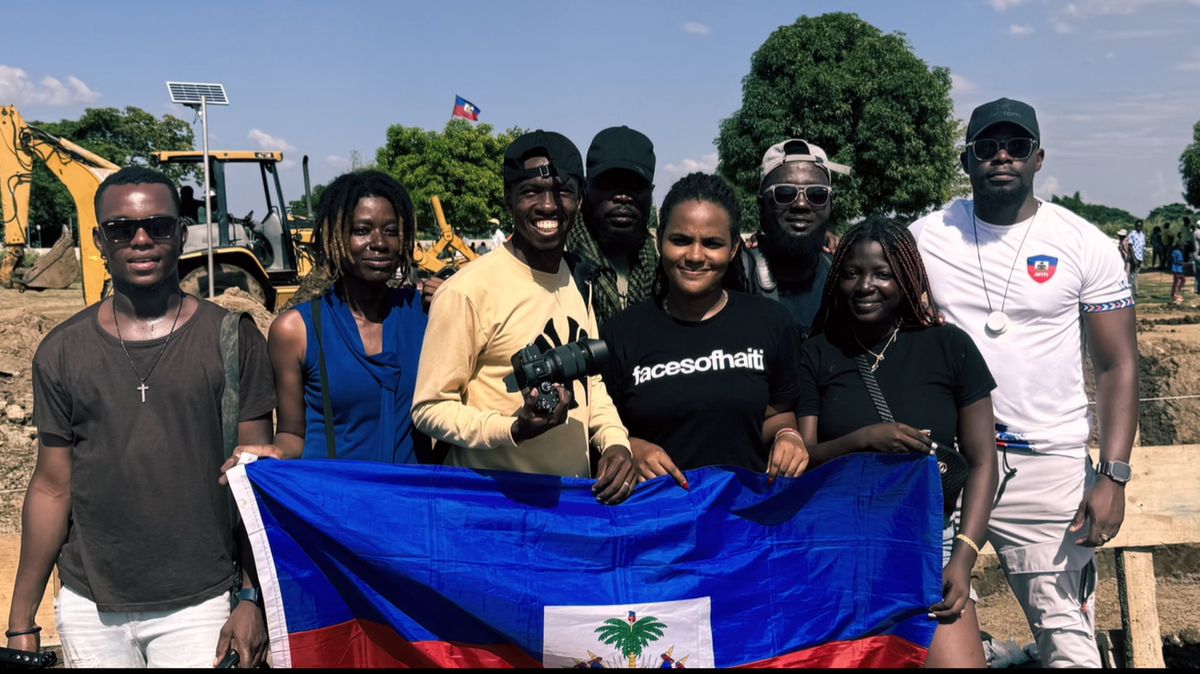
The architects and builders in filmmaker Samuel Dameus’ latest documentary take great pride in their role in building the Ouanaminthe canal along the Massacre River, which creates the northern border between Haiti and the neighboring Dominican Republic
From the children aspiring to be engineers to the people simply living day-to-day, the people of Haiti’s rural countryside become the featured artists in Dameus’ documentary “The Heroes of the Massacre River.”
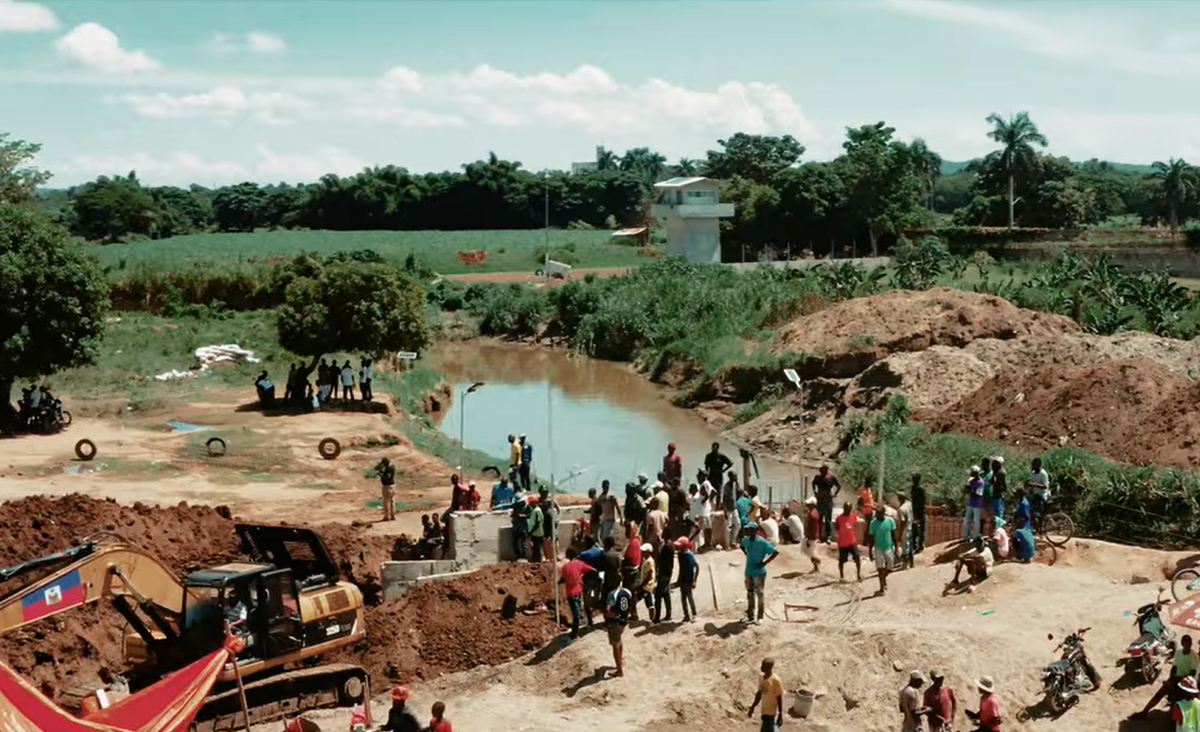
The film focuses on the efforts of Haitian to build an irrigation canal in the northeastern town of Ouanaminthe, “Wanament” in Haitian Creole, amid a contentious dispute over water rights between Haiti and the Dominican Republic.
The Massacre River, a key source of water for agriculture for both countries, has been in dispute for years. Haitians argue that they have just as much right to it as the Dominican Republic, which they accuse of unilaterally building canals in the past to benefit Dominican farmers. The long-running fight would climax in 2023 with Dominican authorities closing their air, sea and land border with Haiti, pausing official diplomatic channels and sanctioning a number of Haitians, including former lawmakers, involved in the construction of the canal.
RELATED: Dominican Republic calls canal construction ‘provocation’, shuts down border with Haiti
For two weeks, Dameus, who splits his time between Haiti and the United States, trudged through the dusty terrain documenting the canal’s construction and telling the story of the river through the lens of Haitians, many of them farmers.
“It became bigger than just the canal, it became a movement. It became a social movement,” he said in an interview. “It became something that the Haitian felt that it would be the best way for them to stand up and to say no against the Dominican Republic.”
Dameus said he made the documentary to tell a story of unity among Haitians. “We let other people tell our story. For me, the right way to do this [was] actually being able to tell that story for the next generation and for this generation as well, because in my lifetime, it was the first time that I got to see all Haitians get together, set as one for one project,” he said. “I’ve never seen that effort of solidarity. I’ve never seen that manifestation of solidarity within Haitians.”
Dameus along with Bertrhude Albert, co-founder of nonprofit P4H Global, who appears in the film discussing her fundraising efforts for the canal, will host a screening of the film and conversation at the Little Haiti Cultural Center on Thursday. It is part of The KPK Tour: Kanal la p ap kanp (The canal won’t stop) tour. The film has been screened throughout Florida and has included conversations about what the canal and the efforts to build it symbolize for Haiti. This is the sixth stop on the tour and the second in Miami, with two more planned for Coral Springs and Pompano Beach.

The 80-minute film begins with the history of the Massacre River, which for Dominicans is where Spanish and French colonizers fought, giving the river its name, but for Haitians the place where Dominican dictator Rafael Trujillo slaughtered thousands of Haitians over a five-day period in 1937.
The documentary features historians and residents discussing the canal, including Albert, who said she and her team helped raise more than $300,000 to finish its construction.
Albert, who left Haiti when she was 8 and has a Ph.D in agricultural education from the University of Florida, used her social media platform to raise awareness of the canal and why it’s essential to Haiti.
“It’s really critical for us to understand that backdrop when we’re now looking at it through the lens of these farmers who in 2023 they rose up, and they said, ‘We’re not going to wait for the government. We’re not waiting for international agencies. We’re not waiting for anything to come save us,’” she said.
READ: ‘This is a fight for our survival’: Dominican Republic canal conflict unites Haitians
Construction of the canal began under slain Haitian Prime Minister Jovenel Moïse before his assassination in 2021. But it was stalled after the Dominican authorities raised issues. After the president’s death, Haitians took it upon themselves to finish it.
“They picked up their shovels, and they said, ‘We have the blueprint. We have the plan. So let’s go ahead and start building on this canal,’” Albert said. “So they started building.”
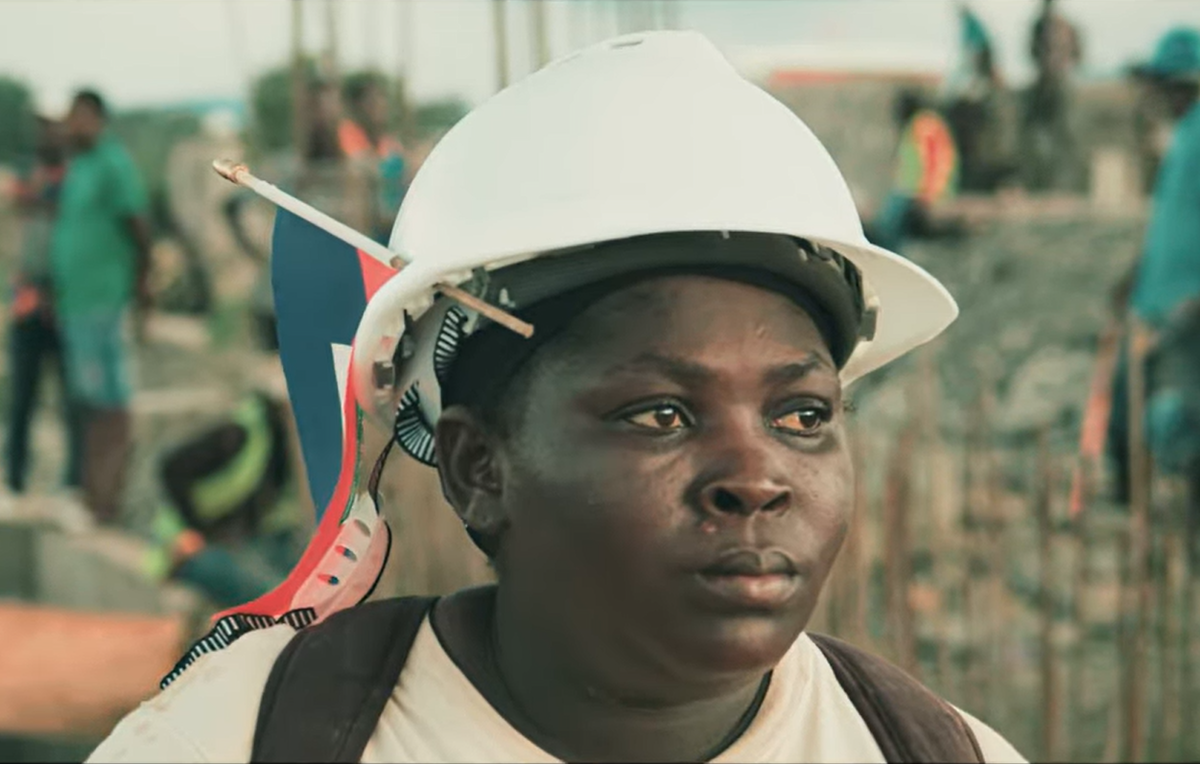
Another key figure in the film is Milourie Sylfrard, an advocate for the canal and mason who lent her skills to its construction, who died in October 2024. Albert said Sylfrard’s role was essential to the advancement of women in the country. “She was quite literally a hero for our entire nation,” Albert said, “and a lot of young women and young girls saw themselves in her. It’s like, ‘If she can do it. So can I.”
Though there has long been debate on how effective the irrigation canal will be, Albert said the canal has already doubled the production of rice and the number of farmers in the Maribaroux plain. She emphasized that there is still more work to do.
“We need agricultural routes so that we can get tractors and all of these other machineries into the area, so that we could when the products are harvested, we can bring mass production of these products into the other regions of the area,” she said.
She and Dameus said they want people who see the film to walk away seeing that Haitians should and can galvanize behind efforts affecting the country.
“If we can do this, if we can get together for the canal, we can get together …for education. We can get together for the canal of rebuilding our country,” Dameus said. “We can get together for the canal of making sure that Haitians have a better life, have better health.”
IF YOU GO:
WHAT: The KPK Tour - Little Haiti Watch Party with Dr. Bertrhude
WHEN: 6 p.m. Thursday, Nov. 20
WHERE: Little Haiti Cultural Center, 212 NE 59th Terr., Miami
COST: Free
INFO: www.eventbrite.com