Haiti healthcare system braces for bad news as money dries up, cholera cases rise
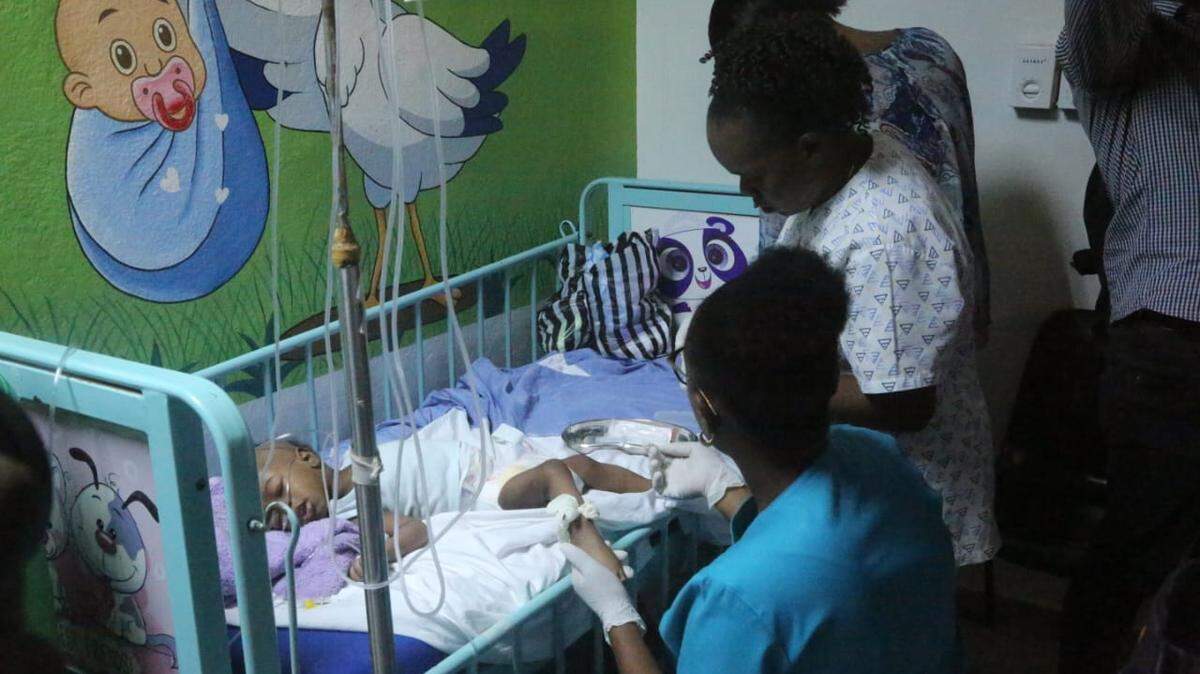
Thousands of workers in Haiti’s public healthcare system are at risk of losing their jobs as international funding dries up and gang violence escalates, fueling a resurgence in deadly cholera.
The looming job losses at a time only 36% of hospitals in metropolitan Port-au-Prince remain open amid attacks against health facilities by armed groups, and as donor support to help with the country’s humanitarian crisis continues to fall short.
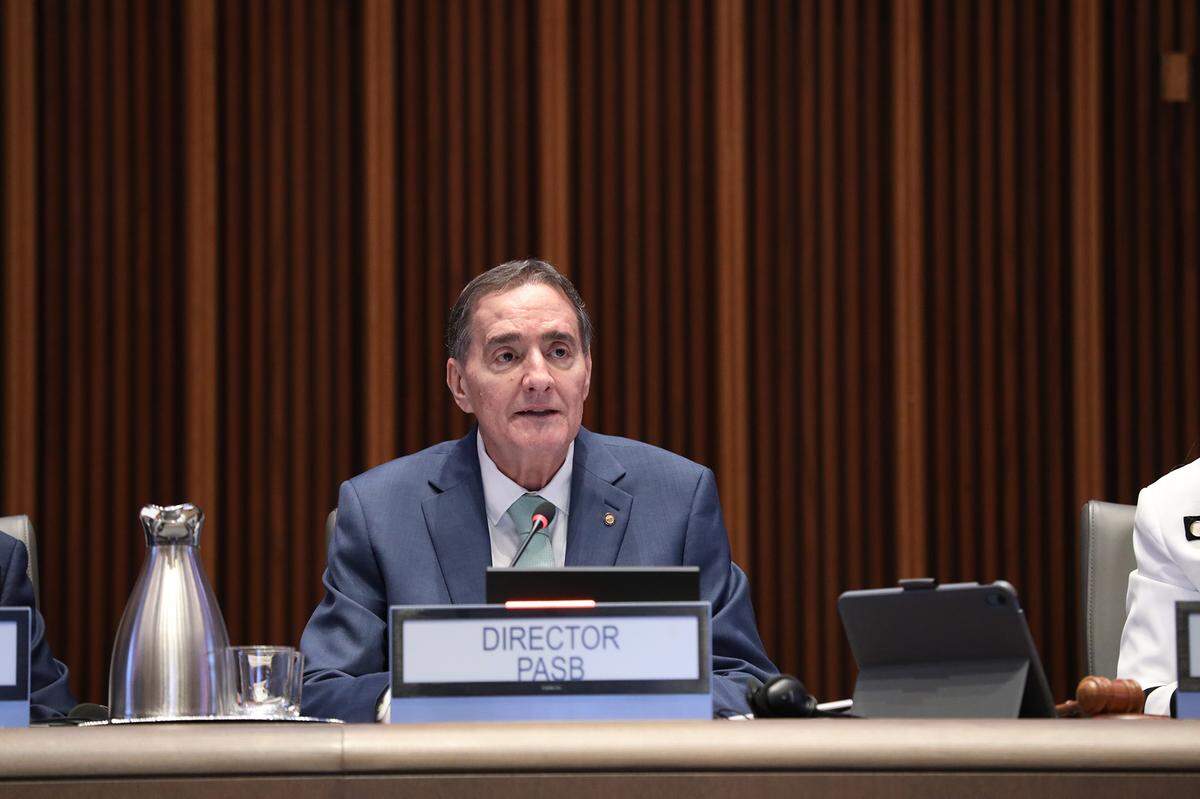
“The situation in Haiti is very critical,” Dr. Jarbas Barbosa, the director of the Pan American Health Organization, the Americas’ arm of the United Nations World Health Organization, told the Miami Herald. “It’s important that all the countries in the region, Canada, the United States …come together and provide the support to deal with the violence, the gangs, but the same time to keep the health services open and running.”
Failing that, he said ahead of a high-level gathering of regional health ministers in Washington on Monday, “hundreds of thousands of people in Haiti will try to leave the country to get the access to health services.”
The latest loss of funding is tied to a COVID-19 project sponsored by PAHO and the World Bank that is nearing its end. The initial allocation for the project was $20 million, followed by additional financing of $35 million, a spokesperson at the World Bank told the Herald.
Though the project has been extended to the end of November, Tuesday marks the end of Haiti’s budget year, which means that health contracts are likely to come to a close.
Dr. Gabriel Thimotee, the director general of Haiti’s Ministry of Health, said the government is working on a plan to retain some health workers nationwide, including having some assigned to a U.S. funded project related to HIV/AIDs.
“But there are people who are going to lose their jobs,” he said.
In Port-au-Prince, the funds have been used to provide emergency room services at Hopital Universite La Paix. It is the only public hospital still functioning after armed groups forced the closure of the largest government-run hospital, and looted and burned other medical facilities.
Last month, during a visit by U.N. humanitarian affairs chief Tom Fletcher, hospital staff said they stood to lose 90% of their emergency room workers once the funds disappear.
“The fact that it is the last one is pretty terrifying,” Fletcher said about La Paix after touring the facility and hearing the overwhelming demand for its services.
Sandwiched between a displacement camp and gang-controlled neighborhoods, La Paix last year recorded over 20,000 emergency cases — a 43% increase from 2023. Nearly 40%, according to the U.N., were gunshots, stab wounds, traffic accidents and other trauma cases.
High-level meeting in Washington
Haiti’s health system is not the only one reeling from cuts to foreign aid.
On Monday, Barbosa welcomed health ministers and delegates from around the Americas to Washington to discuss a number of health issues facing the region, and to set priorities. Thes meeting takes place as the region faces the continuing threat of infectious and noncommunicable diseases, as well as a looming financial crisis after the Trump administration canceled $4.9 billion in foreign aid that had already been allocated by Congress.
Barbosa told the Herald that PAHO is making adjustments and working on a new proposal to present to U.S. officials for funding. Despite the challenges, he said, the U.N. agency remains committed to keeping “the services that we are providing for places like at Hopital La Paix open, running with the supplies and the personnel that they need.”
As he opened PAHO’s 62nd Directing Council session on Monday, Barbosa urged the region’s governments to turn political commitments into concrete public health policies to protect the people and economies of the Americas. He also stressed the need for investment in primary health care.
“Countries in the Americas have long worked together to address regional health security,” he said. “Such collaboration is essential for disease prevention, public health resilience, economic stability and a viable workforce.“
Rising cholera cases in Haiti
As the meeting got under way, Haiti was grappling with another emergency: cholera cases are climbing, the U.N. told journalists during its daily noon briefing in New York.
Over four days last week, 40 suspected cases and three deaths were reported in Pétion-Ville, a major economic hub in metropolitan Port-au-Prince with numerous schools.
“This surge is particularly concerning with the new school year set to begin in just two days,” said Farhan Haq, deputy spokesman for U.N. Secretary General António Guterres. “In total, 66 suspected cases were recorded in the capital and surrounding communities in recent days – an alarming rise compared to previous weeks. Young adults, who are highly mobile due to work and daily activities, account for most of the cases, fueling concerns of spread across the communes of Pétion-Ville, Delmas, Tabarre and Carrefour.”
Haiti, which was on the cusp of eliminating cholera before the surge in gang violence limited access to potable water, has reported more than 3,100 suspected cases nationwide. Barbosa said PAHO is deploying mobile labs as part of an effort to control the outbreak.
“We need to control the violence,” he said. “We need to keep control of the cholera outbreak.”
While it’s hard to assess the overall impact of cuts in donor support on Haiti’s health care system, PAHO said it has already seen a drop in the number of HIV/AIDS patients it treats. Since December, the agency has seen a decrease of 17,000 patients, to a current total of around 126,000 receiving anti-viral treatment.
.In addition to seeking U.S. funding for regional programs, PAHO is working on a proposal to expand healthcare services at the Hôpital Universitaire Justinien, the main public hospital in Cap-Haïtien, in the north of the country.
“We are working closely with the International Development Bank to have the hospital ready to offer services,” Barbosa said. The priorities are maternal and child health and controlling the cholera outbreak.
The termination of USAID by the Trump administration meant a cut of $90 million for PAHO, Barbosa said. The money was being used to pay for projects in the region like the elimination of malaria and reducing maternal mortality.
“We are looking for other sources of funding in order to keep the work going on,” he said.
A World Bank spokesperson the agency “is committed to helping Haiti strengthen health services, including increased access to primary services and strengthened disease surveillance capacity.
World Bank, PAHO report
On Monday, the World Bank and PAHO issued a stark warning to regional governments at the Washington conference: Failure to invest in primary-care facilities could lead to 165,000 otherwise preventable deaths and cost up to $37 billion in the next pandemic or natural disaster.
The findings were outlined in a report, “No Time to Wait: Resilience as the Cornerstone of Primary Health Care in Latin America and the Caribbean,” by the Lancet Regional Health Americas Commission.
“Strengthening primary health care is one of the greatest health challenges of Latin America and the Caribbean,” said Jaime Saavedra, director of Human Development for Latin America and the Caribbean at the World Bank. “Governments need to place primary health care at the heart of their agendas, invest in it urgently and at scale, and ensure universal coverage so that protecting lives and the economies is not optional but a priority.”