Haitians coming to Miami this weekend to discuss crisis, opportunities at finance summit
Kesner Pharel, one of Haiti’s leading economists, doesn’t want to talk about the current crisis shaking his nation, a country teetering on the brink of humanitarian catastrophe and economic collapse.
Instead, Pharel, who has long sounded the alarm about the ramifications of Haiti’s never-ending political crisis on its fragile economy, wants to talk about what will happen after the crisis ends, and how Haitians living in South Florida and elsewhere can help the country rebuild.
Haitians abroad, he says, account for nearly $4 billion in remittances sent to Haiti. That’s more than the country’s current budget for this fiscal year, which stands at about $2.5 billion. It is also more than what the international community provides the government, which is less than $1 billion.
“The supply of hard currency in Haiti now is the diaspora money, the remittances,” he said. “There is no argument about it.”
And that means just one thing, Pharel added: “We’ve got to get a dialogue with the diaspora.”
Pharel acknowledges that most of the money being sent by Haitians living abroad ends up paying for food, schooling, medical care and funerals. Still, amid the sacrifices many are making to ensure there’s a social safety net in the country, there are those with disposable income who can invest.
These are the people Pharel is hoping to appeal to this weekend when his Group Croissance commemorates its 30th anniversary in Miami with a two-day International Finance Summit. The forum will look at Haiti’s economy and the ways the diaspora can help, as well as how to leverage its political clout in the United States to effect change back home.
The annual summit, which usually takes place in Haiti, is free and will take place at Miami Airport Convention Center at Miami Merchandise Mall, 711 N.W. 72nd Ave., between 9 a.m. and 4 p.m. Saturday and Sunday. It was planned for Miami even before an alliance of armed gang leaders launched a deadly barrage of attacks on Port-au-Prince on Feb. 29, bringing the entire capital to an standstill.
“What I am trying to do is speak to Haitian doctors, Haitian engineers, some of them in their 60s and 70s, who have some money and let them know, there are some companies in Haiti … and to see how they can invest in them,” said Pharel, adding about 200 people have already registered. “We’re trying to see how we can build some confidence and get this money into the hands of Haitian companies.”
Among those in attendance will be representatives of Haiti-based firms looking for an injection of cash as well as the representative of the country’s only investment bank, Profin.
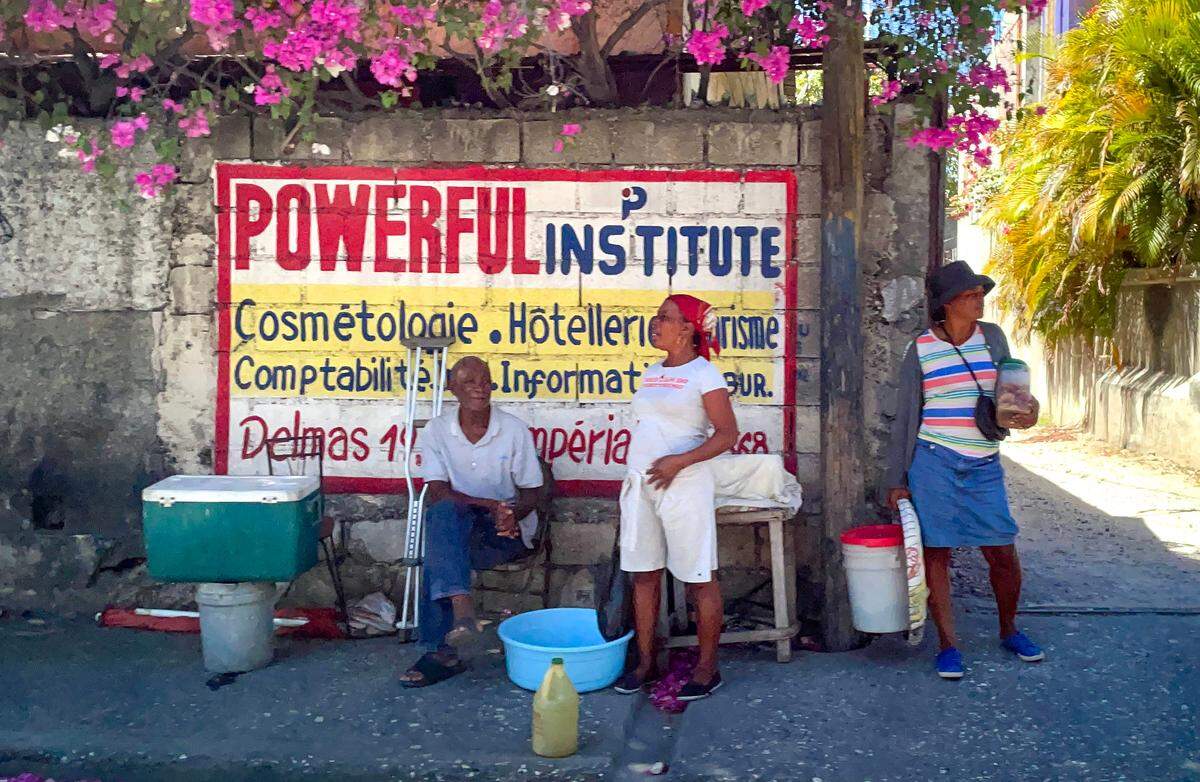
As part of this year’s theme, “Haiti: Engaging the Progress, migration and remittances,” there will also be a look at the country’s relationship with the neighboring Dominican Republic, which exports about $1.4 billion in food and other goods to Haiti that Haitians often purchase with remittances. Haitians also accounted for some of the $10 billion in remittances the Dominican Republic received last year, according to its central bank.
“Some of them have their kids going to school over there, or their family is over there because they cannot come to the States. So they are sending them money also,” said Pharel. The Dominican Republic “is benefiting quite a lot, not only from exporting goods to Haiti but also from Haitian families living over there and that is the reason I said, ‘Hey’ we’ve got to have a conversation with the diaspora.”
In coming years Haiti will need the engagement of its diaspora to help spur its economy, he said, either through socio-economic projects or foreign direct investments.
Between 2018 and 2022, for example, the country’s gross domestic product saw a 12% drop. Job losses and double digit inflation have accentuated poverty. Today, 5.5 million Haitians are in need of some kind of humanitarian assistance, and fears of deepening hunger are growing. Tax revenues are expected to drop further, while international financial assistance has been falling since the 2010 earthquake.
Along with discussions about the economy, there will also be a panel at the summit on how Haitians abroad can use their votes and political clout in the United States to help steer policy.
One of the panel discussions on Sunday will feature local Haitian-American elected officials to see “how they can do some advocacy and get some lobbying, to put pressure,” Pharel said, noting that a large number of the firearms and ammunition ending up in the hands of gangs in Haiti are coming from Florida.
Last year, Haiti’s inflation rate dropped significantly after the government took the controversial decision to remove fuel subsidies and increase collection of customs revenues at the port.
But the gang violence is going to make it difficult “to feed people and address all of this destruction,” he added.
Supporters of the free event see opportunities. With so many people leaving the capital, some advocates see a chance for other regions of Haiti to become more self-sufficient and grow their local economies. They note that Sunrise Airways has started to offer air connection between Cap-Haïtien’s international airport and the domestic airport in the southwestern city of Les Cayes.
”We have a team of people who just did that trip, so the process of ensuring that the south could be connected to the north is a really good example of what could happen in Haiti,” said Guerda Nicolas, the president of Ayiti Community Trust, a local organization in Miami that works with communities in Haiti. “Imagine if we are able to do that by boat.”
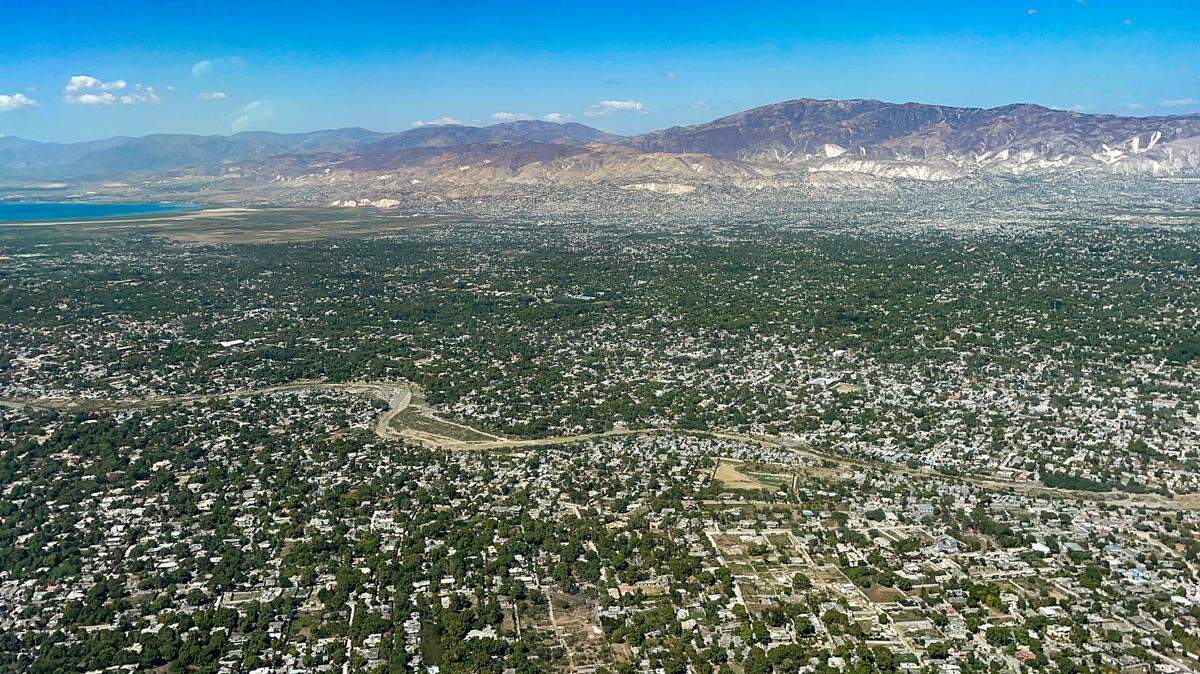
Nicola is among several Haitians abroad who will discuss ways in which other regions and cities can benefit from the ongoing migration out of Port-au-Prince. According to the United Nations’ International Organization of Migration, more than 50,000 people have left the capital over the last three weeks. Many of them have headed to the south of the country.
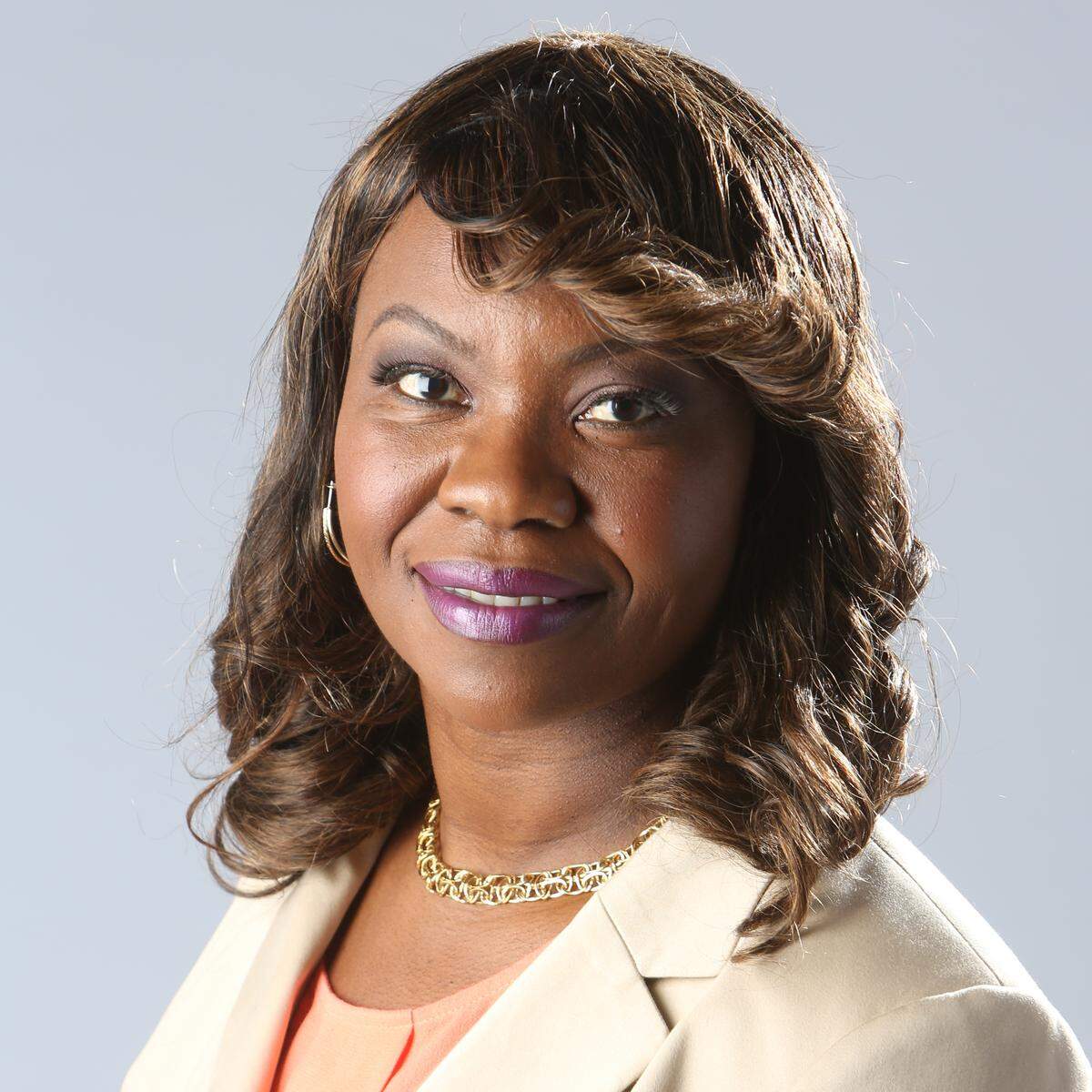
Pharel is among several Haitians who have been locked out of the country due to the ongoing closure of Toussaint Louverture International Airport. However, he’s planning on returning via Cap-Haïtien and then flying to Les Cayes in the south, where he has an office.
As for the ongoing crisis, he admits he’s “very anxious” about what lies ahead economically for the country, noting this will be the sixth year of the country’s gross domestic product dropping.
“It’s going to be a very difficult year.”
This story was originally published April 5, 2024 at 5:30 PM.