As Kenyans plan visit to assess gang crisis in Haiti, U.S. calls for political consensus
A top U.S. official said Friday that while the Biden administration is encouraged by Kenya’s offer to help Haiti combat deadly gangs, the United States continues to pursue a comprehensive approach in the troubled nation that includes strengthening and equipping the police force and helping the country return to democracy.
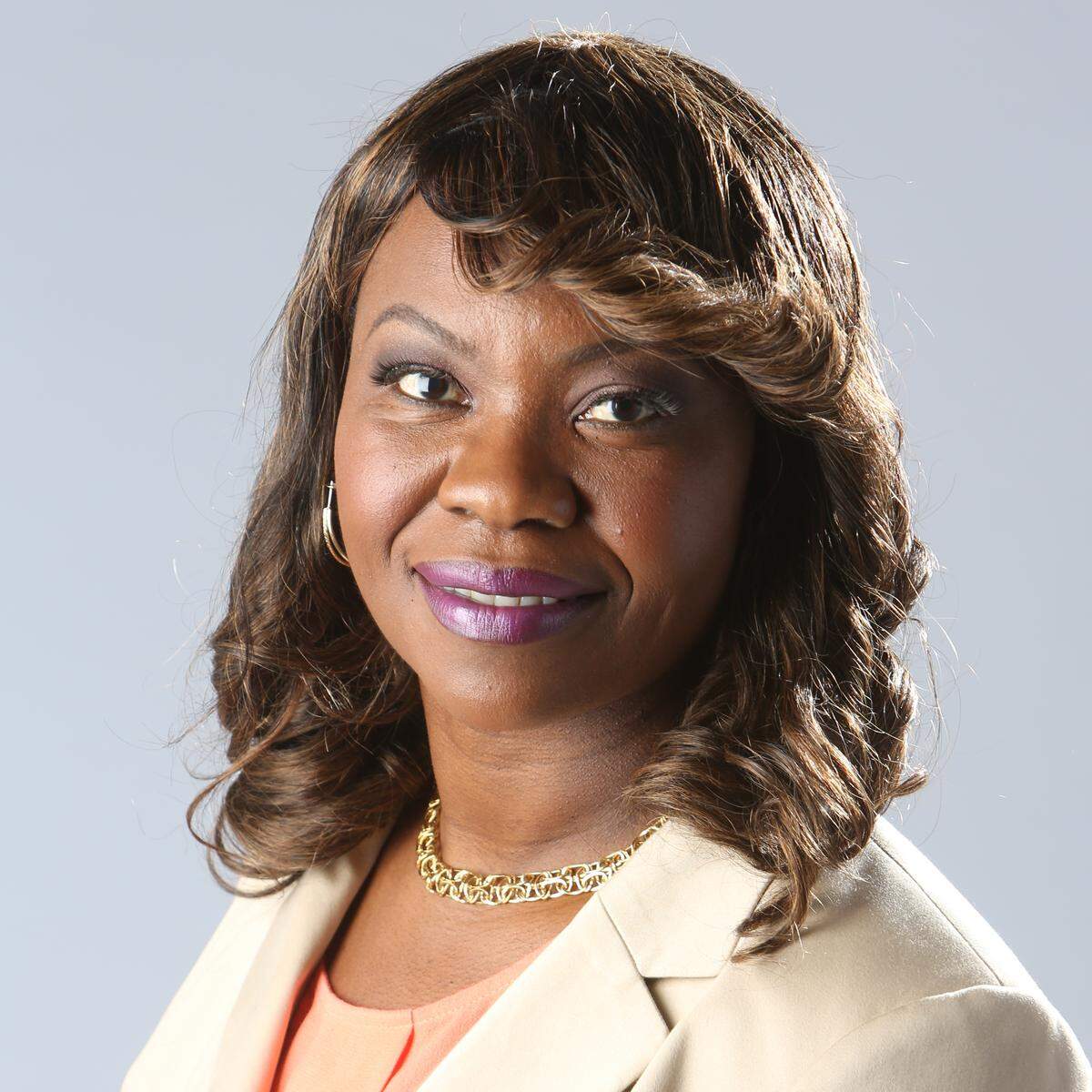
“We recognize that while security is a necessary precondition for progress towards the elections, an improvement in security will be insufficient in addressing the multi-dimensional crisis in Haiti,” said Barbara Feinstein, deputy assistant secretary of state for Caribbean Affairs and Haiti.
Feinstein reiterated the administration’s call for Haiti’s political and civil society leaders to enlarge political consensus that would lead to elections when the security conditions permit.
The urgent appeals comes as an assessment team from Kenya prepares to head to Port-au-Prince and New York in the week of August 19 to hold consultations about its offer to assist the Haitian national police in its fight against gangs. Meanwhile, the U.S. and others are trying to shore up additional support in the international community for a multinational force that they hope will go beyond the 1,000 police officers Kenya is considering deploying to the Caribbean nation.
In July, a group led by the 15-member Caribbean Community held a second round of consultations in Port-au-Prince after first meeting with Haitian political and civic leaders in Jamaica. The second round of discussions yielded little progress as much of the time was spent on process rather than on actual mediation.
While there is agreement among Haitians, for example, in expanding a three-person High Transitional Council created in a Dec. 21, 2022, accord launched by Prime Minister Ariel Henry, there is disagreement over how much power the group should have. Henry’s foes want it to be more than a rubber stamp on the prime minister’s powers, while he and his allies do not want an entity with the power to hire and fire.
Political negotiations are taking place between Henry and some political and civil society leaders over an expanded political accord and the makeup of a government that could help take the country to elections.
Feinstein, speaking to regional journalists Friday, said while the U.S. wants Haitians to find broad consensus among themselves, “we do not believe it’s for the United States to decide what a political consensus ultimately looks like in Haiti. That is a decision for the Haitians. And so to that end, we’ve been very supportive of Haitian-led efforts supported by actors such as the Eminent Persons group from CARICOM, former prime ministers of Jamaica, The Bahamas, and St. Lucia, to try to facilitate greater political dialogue.”
With Kenya’s security offer tied to the outcome of its assessment mission, Feinstein said it is too early to say what the U.S contribution to a multinational force will be. Discussions are ongoing within the U.S. government across multiple agencies, she said.
Should the Kenyans “choose to take on that role, they will need to identify what the needs and the shape and and character of this force will be, obviously in consultation with the United Nations as authorized through a resolution,” Feinstein added. “Once we have those details, I think we will be in a better position to provide information about what the US contribution will be. I can say, however, we plan to robustly support such an initiative as we’ve made clear to our partners.”
In an interview with the Miami Herald, Todd Robinson, the assistant secretary of state for the Bureau of International Narcotics and Law Enforcement Affairs, who led a U.S. delegation visit to Kenya after receiving word the East African national was open to leading an armed intervention into Haiti, acknowledged that the precarious security situation in Haiti has made it difficult for the U.S., the U.N. and the Organization of American States to carry out peace-building and community programs on the ground to counter the lure of gangs among Haiti’s youth.
Every day Haitians are subject to killings, rapes, kidnappings and other atrocities at the hands of heavily armed gangs that control about 80% of the capital and have extended their grip to other regions.
A gang truce fashioned by an American priest, and involving four armed groups in Delmas and Cité Soleil, is holding. But elsewhere across the capital, in the Tabarre suburb where the U.S. embassy is located and where an American woman and her child were recently kidnapped, armed violence and abductions continue to force people from their homes..
“If and when we get this force on the ground, that will add to broadening the security umbrella in the country that will allow us to go bigger on the community policing, on the after-school programs on getting kids back to school,” he said. “Right now... it’s harder to do those things when the security environment is so unstable.”
The introduction of a multinational force, he stressed, will allow the Haiti National Police “more opportunity to expand that security umbrella, and give a channel to those community policing efforts that we want to go big on; not the United States. It’s the Canadians, it’s the French, it’s the [European Union]. We’re not going into this on our own.”
Feinstein said the U.S. has provided more than $120 million in the past two years to the Haiti national police, and plans to continue to assist with training and equipping the beleaguered force, which has struggled to hold ground in gang-controlled areas and has been forced to retreat from others due to ongoing armed attacks.
The administration, Feinstein said, sees the Kenya offer as an opportunity to “jump start the process of improving security in Haiti by sending thousands of additional personnel to secure critical infrastructure sites and thereby allow the Haitian national police to increase their focus on battling gangs.”
“The United States sees the Haitian national police, and police more broadly, as leading efforts to improve security in Haiti, including through a multinational force,” she said.
This story was originally published August 4, 2023 at 4:07 PM.