Hope for Haiti gets major gift from GoDaddy founder ahead of earthquake anniversary
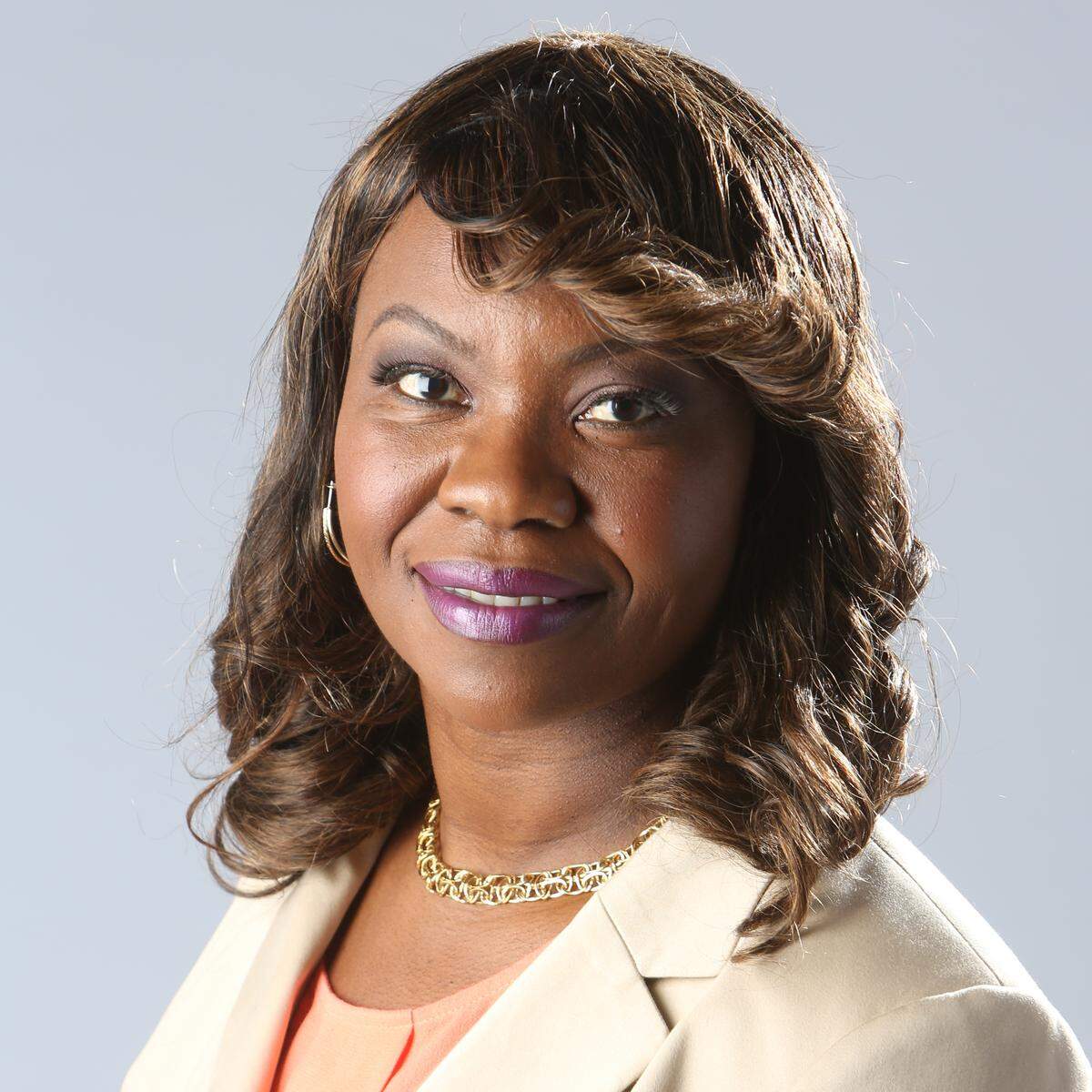
When Haiti’s deadly earthquake hit on Jan. 12, 2010, Renee and Bob Parsons knew they wanted to help.
The couple had no connection to the devastated country, had never visited it and did not have the slightest idea which charity they could support.
Then the Parsons came across Hope for Haiti, a small organization running an education and healthcare program in the southern area of the country. It was located in the city of Les Cayes, outside the earthquake zone, but its doctors, nurses and teachers were all Haitian, and more importantly, Renee Parsons said, most of the money it collected went into helping the communities it served.
“We felt that of all the organizations we had looked at and the research we had done, Hope for Haiti had the most significant impact; that the dollars could be leveraged for the people that they serve directly as opposed to administrative costs, advertising,” she said.
So Renee, who was working as the community outreach person for GoDaddy, the internet domain registrar and web hosting company that her husband founded, wrote her first grant. It was for $500,000.
Now almost 10 years later, Parsons and her husband are multiplying that gift through their own charity, The Bob & Renee Parsons Foundation, and are giving Hope for Haiti $3 million over the next five years to help support its mobile clinics and other healthcare initiatives.
“They are boots on the ground, they’re in the communities that they serve and very much invested in them,” said Renee Parsons, who has since visited Haiti three times since the quake to see firsthand the work the organization is doing.
She describes the visits as life changing.
“It really is rewarding, it’s emotional. For us, we really were filled with hope that things could improve there, we really could make a difference and that we wanted to keep investing in the communities that we were serving. That’s why we are sitting here 10 years later and still involved with a fresh new grant,” she said.
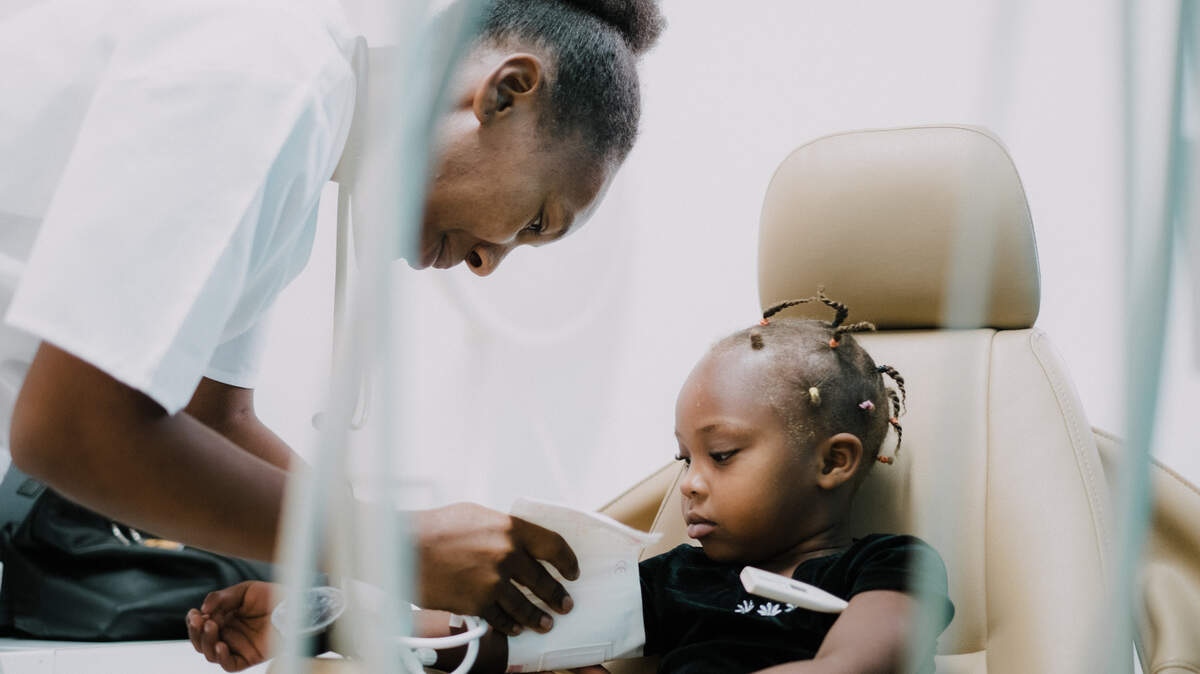
Hope for Haiti CEO Skyler Badenoch said the grant will make a huge difference, especially in the organization’s outreach to provide medical care and medications to underserved rural communities in southwest Haiti that otherwise would not have access to healthcare.
“We are beyond grateful that they trust us, they are our partner,” he said. “I can’t state how important multi-year funding is because it really allows you to take a longer-term approach than just having funding for a year.”
.jpg "h4h_Day3-3592 (1).jpg")
Recently the charity launched the Haitian Solidarity campaign to raise $10 million. The Qatar Haiti Fund gave $2 million in October, and the Kellogg Foundation also provided funding. The Parsons’ donation, Badenoch said, will bring the fund to about $6 million.
“The whole idea of it was to raise money in solidarity with the Haitian people but also to use it to tell this story that is counter to the narrative on the 12th, all of this money flowed into Haiti and nothing happened,” Badenoch said. “We know that’s partially true. We can go on and on about what went wrong, but I think it does a disservice to say that nothing happened to the 53 staff members who have been working really hard on our team over the last 10 years. And if we say nothing happened, what are we saying about their work?”
The Parsons’ grant, he said, shows that there are organizations and individuals who still remain committed to the country years after the earthquake.
“It gave us a shot in the arm and it empowered us, and reminded us there is still a lot of good work to do,” Badenoch said.
And while Hope for Haiti is not the only organization that employs an almost all Haitian staff, Badenoch said he considers it one of the organization’s greatest assets.
“We fund-raise in the United States and we raise awareness in the United States, but all of our team in Haiti is Haitian. That’s how we believe it should be, Haitian doctors, Haitian nurses, Haitian educators, technical staff,” he said. “They were truly the first responders to the earthquake, before the international community came in, before anybody sent a dollar of aid, the first real responders were people who were there.”
Editor’s note: On Jan. 12, 2010, Haiti was struck by a massive earthquake. The disaster claimed 316,000 lives, left 1.5 million homeless and another 1.5 million injured. As the anniversary approaches, the Miami Herald, in partnership with the Pulitzer Center on Crisis Reporting, will look at questions around aid and rebuilding over the past decade in the series Haiti earthquake: A decade of aftershocks. We invite our readers to share with us how the Haiti earthquake impacted their lives. Your comments may be used in future stories.
This story was originally published December 31, 2019 at 11:38 AM.