Weeks after suspicious death, Haiti gay rights activist still not buried
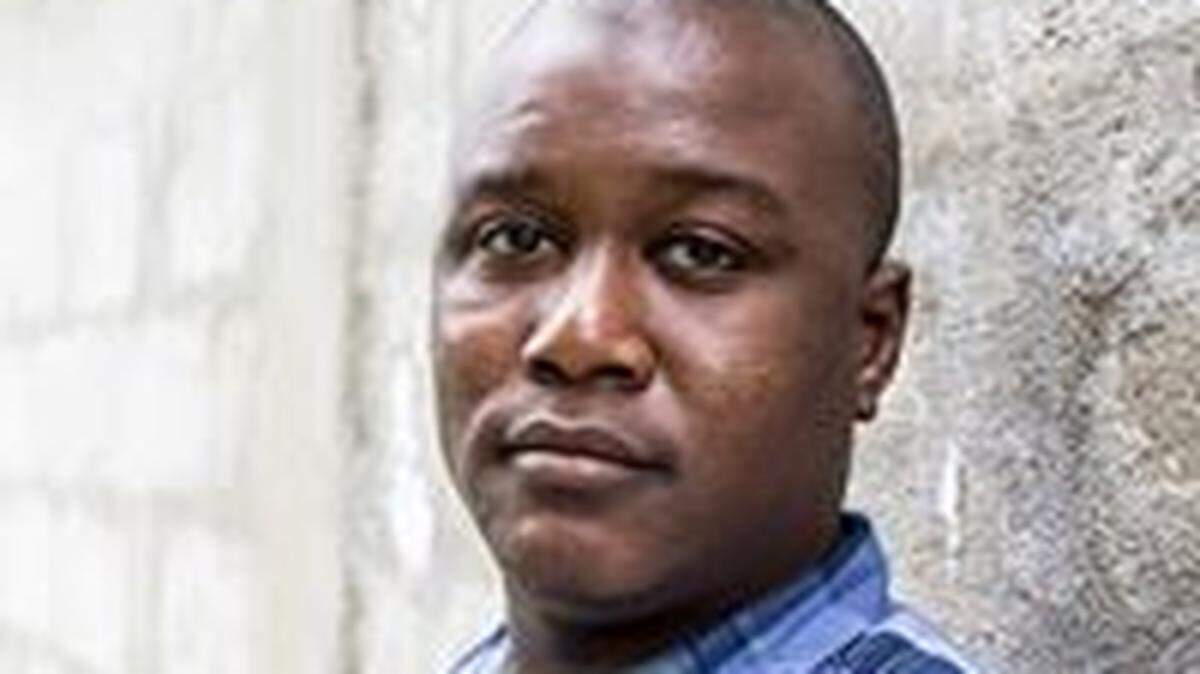
More than three weeks after the death of a prominent gay rights activist in Haiti under suspicious circumstances, he still has not been buried and no autopsy has been performed to find the cause.
Charlot Jeudy’s lifeless body was found on Nov. 25 inside his home in the Caradeux neighborhood of Haiti’s capital.
Jeudy, 35, was the leader and founder of Kouraj, or Courage, the country’s leading LGBTI advocacy group. He also was a member of the Global Fund’s Country Coordinating Mechanism in Haiti, which is chaired by the country’s first lady. The Global Fund fights to end AIDS, tuberculosis and malaria by getting life-saving treatment to vulnerable populations.
“The community, his family cannot mourn him, nor start the justice process,” said a statement released by Kouraj.
According to Kouraj, Haiti’s chief government prosecutor had requested that the investigative arm of the Haiti National Police, the Central Directorate of the Judicial Police, investigate the death after receiving a request from lawyers representing Jeudy’s family. The same prosecutor also asked the justice minister to provide the financial resources so that an autopsy could be done.
A Haiti police official said an investigation is underway. Kouraj, however, said weeks after the request was made for the justice ministry to provide the coroner’s office with the financial means to perform the autopsy, “nothing is being done.”
“Despite many testimonies from the embassies, international institutions and even the Haitian president, the prospect of a serious investigation to clarify the circumstances of this sudden death have been buried in the cemetery of the Haitian justice system,” the statement said. “Forensic science is only a facade in this country.”
In a tweet offering his condolences to Jeudy’s family, Haiti President Jovenel Moïse said “I wish the cause of his death will be clarified quickly.”
Moïse’s wife, First Lady Martine Moïse, who served as president of the Global Fund’s Country Coordinating Mechanism in Haiti, has not made any public statements but has been asking about when the funeral would take place, said executive secretary Dr. Kens St. Louis.
St. Louis said Jeudy was a longtime member, and an email was sent to members informing them of his death.
He was unaware, he said, that the funeral was being held up over the lack of an autopsy.
“It is a pity that it has happened, it happens to several people in Haiti due to the weak justice system. Human rights in general is not respected in the country,” St. Louis said. “It makes us sad that one of our members who was not only influential but very active has died under the circumstances that he has, and until now, no light can be shed. I find it grave.”
A report by the the Analysis and Research Center (CARDH) in Port-au-Prince referred to 2019 as “the dark year” in Haiti given the multiple country’s wide lockdowns, anti-government protests and human rights violations throughout the country.
The report does not mention Jeudy or the tenuous situation of individuals from the lesbian, gay, bisexual, transgender and intersex communities. However, it notes that at least 222 individuals lost their lives this year in Haiti due to human rights violations, including 155 from gun-shots.
This story was originally published December 19, 2019 at 2:08 PM.