U.S. Navy base in Guantanamo, Cuba, has history of detaining migrants, terror suspects

President Donald Trump signed a memo Wednesday approving the use of the U.S. naval station at Guantanamo Bay, Cuba, for the detention of as many as 30,000 immigrants. The military base has been used as a prison camp in the past.
“We have 30,000 beds in Guantanamo to detain the worst criminal illegal aliens threatening the American people,” Trump said.
Here are the key facts about the U.S. base, better known as Gitmo.
▪ Located approximately 430 miles southeast of Miami, on the southeastern coast of Cuba, the base was established in 1903 and is the oldest overseas military installation of the United States and the only one established in a communist country.
▪ The base, which occupies 45 square miles, serves as an operational and logistical hub in the region, supporting a variety of missions including maritime security, humanitarian assistance, and joint operations. Yet the base is best known by the public as a detention center of foreign nationals, holding enemy combatants captured during the U.S. wars that followed the 9/11 terrorist attacks.
▪ The U.S. government, which has around 8,500 sailors and marines stationed there, leases the land for $4,085 per year in a deal that gives Washington the control of the installation. During an interview with Barbara Walters in the 1970s, Fidel Castro opened his office desk to show her dozens of uncashed checks the U.S. sent Cuba for using the facility.
▪ The lease signed in 1903 has no expiration date, which allows the U.S. Navy to keep the installation until it decides to leave or both countries agree to end the arrangement.
▪ The historically friendly relationship between the two countries during the first half of the 20th Century quickly soured after the 1959 Cuban revolution. The U.S. severed diplomatic ties with Cuba in 1961, and in 1964 Castro cut off water and supply avenues to the base. Since then, Gitmo has been completely self-sufficient, with its own power and water sources.
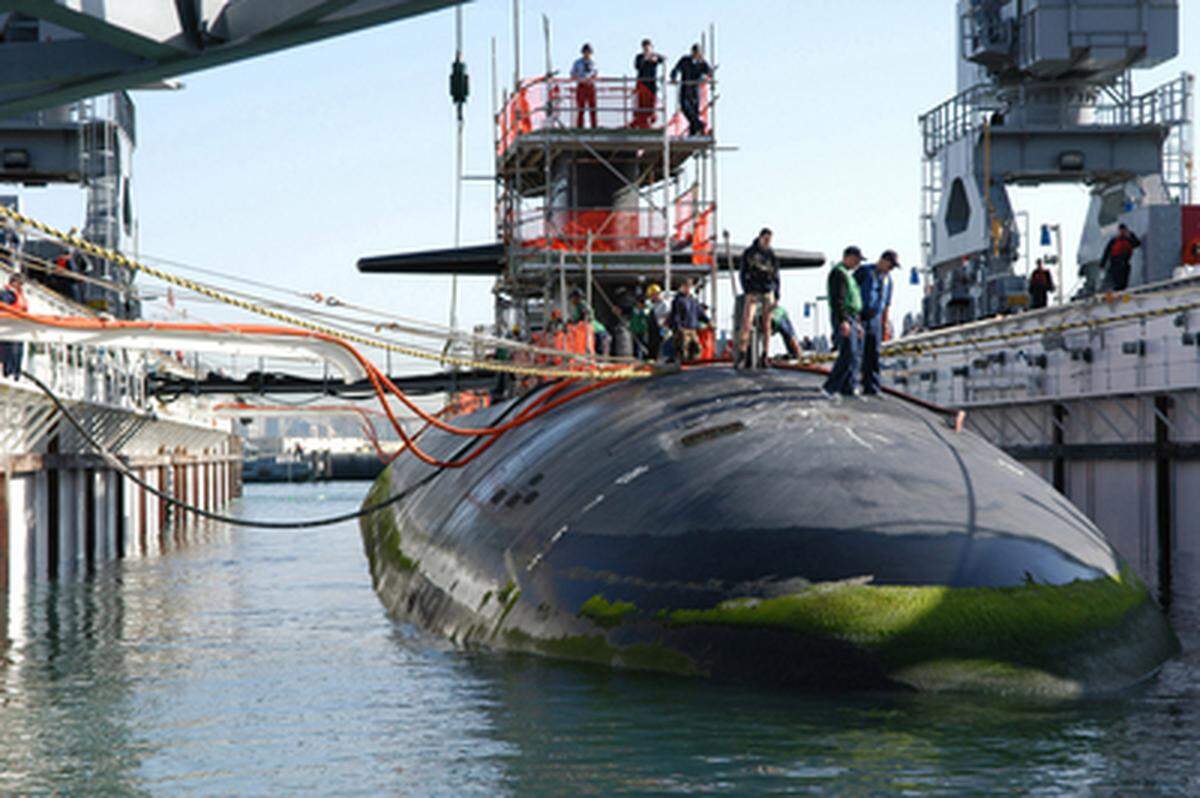
▪ A 17-mile fence currently surrounds the base, which is also surrounded by mine fields established by both countries during the 1960s. Some 55,000 anti-personnel and anti-tank mines were placed around the naval base, creating the second-largest minefield in the world. In 1996, President Bill Clinton ordered the removal of the mines on the U.S. side, which were replaced by sound and motion sensors. Cuba has kept its minefield in place.
▪ The base was used at the end of the last century as a detention center for Haitian and Cuban refugees intercepted at sea while heading towards the U.S. The refugees were kept at a detainment area called Camp Bulkeley until the practice was declared unconstitutional by a federal court.
▪ A small section of the base was later used during the U.S. invasion of Afghanistan to hold individuals with suspected ties to al-Qaeda and the Taliban. The detainees were not afforded POW status nor were held under formal charges, being placed under the control of the Central Intelligence Agency until 2006, when President George W. Bush transferred their custody to the Pentagon.
▪ President Barack Obama signed an executive order in 2009 directing the closing of the Guantanamo detention camp within a year, but the plan was disrupted when the U.S. Senate voted to keep the prison open.
▪ In February 2021, President Joe Biden declared his intention to shut down the facility before he left office but was not able to completely finish the task. As of January 6, 2025, 15 detainees remain at the base.