
Feinstein to Pentagon chief: Fix Guantánamo force-feedings
California Sen. Dianne Feinstein, a critic of how Guantánamo handles hunger strikers, has asked new Secretary of Defense Ash Carter to have the U.S. military in Cuba follow the protocol used at federal prisons to force-feed its captives.
The Democratic senator, who as chairman of the Senate Intelligence Committee criticized CIA interrogations of current Guantánamo captives, also complained that the military won’t let her see videos of prisoners being tube-fed at the detention center — recordings that media organizations are suing in federal court to see.
“I write today to urge you to end the unnecessary force-feedings of detainees at the Guantánamo Bay detention facility,” Feinstein wrote in a March 31 letter released by her office Tuesday.
“The Defense Department will respond to the Senator’s letter through official correspondence channels,” the Pentagon’s spokesman for Guantánamo issues, Army Lt. Col. Myles B. Caggins III, said in an email.
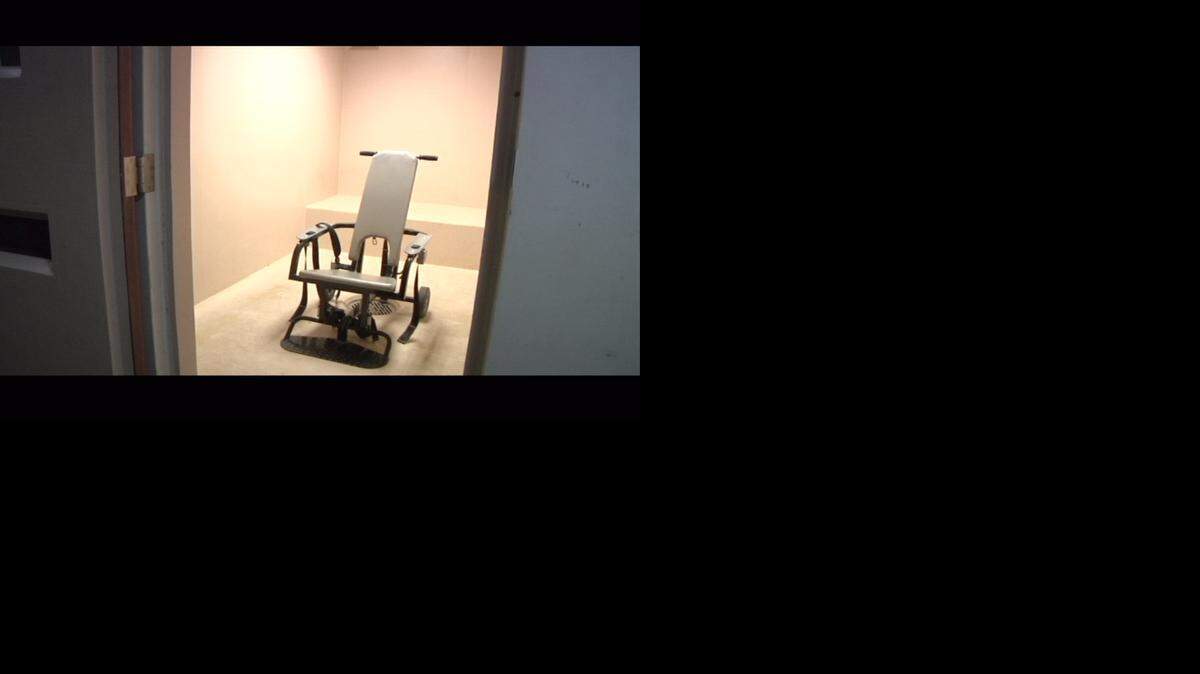
The Guantánamo prison, which no longer discloses how many of its 122 war-on-terror captives are force-fed each day, routinely shackles hunger strikers into a restraint chair and immobilizes them for force-feedings. The U.S. Federal Bureau of Prisons usually doesn’t use a restraint chair, she said. The federal prison system also force-feeds only out of medical necessity, according to Feinstein, unlike the Guantánamo prison, which intervenes sooner than medical necessity dictates.
Critics say the practice is not purely a medical one. The commander — an admiral, not a medical professional — signs off on which captives whom prison guards can tackle and shackle into a chair for the Navy medical staff force-feedings. Nurses who oppose force-feeding are not allowed to object without the possibility of career reprisal.
Federal authorities are also required to report to a sentencing judge about the force-feeding, Feinstein said. Since none of Guantánamo’s hunger strikers are convicts, they are not serving sentences and the courts don’t necessarily have oversight.
Feinstein and Sen. Richard Durbin toured the prison and made a similar appeal to President Barack Obama in July 2013, at a time when the military was disclosing hunger-strike figures, to no avail.
Follow @CarolRosenberg on Twitter
Read the Senator’s letter to the Pentagon here.
This story was originally published April 7, 2015 at 6:51 PM with the headline "Feinstein to Pentagon chief: Fix Guantánamo force-feedings."