
Report: Pentagon options for potential attack on Cuba include large-scale air assault
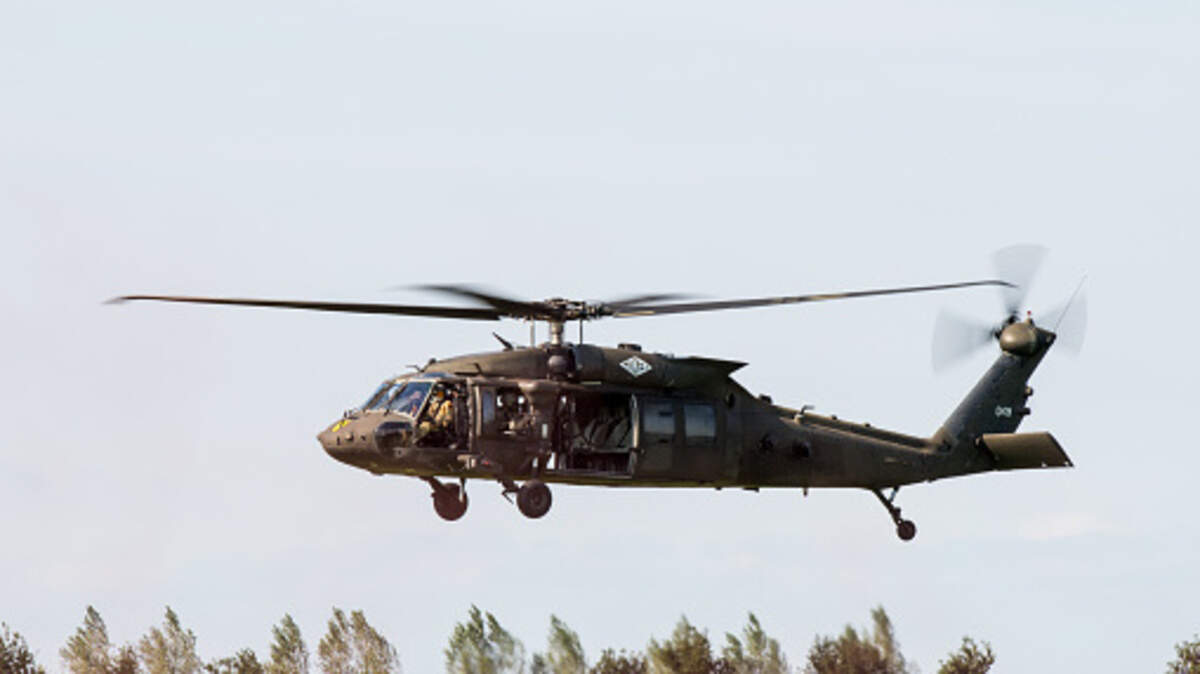
Military planners at the Pentagon have been developing options for strikes against Cuba, including plans for an air assault spearheaded by the 101st Airborne Division involving several thousand U.S. troops.
According to a CBS report on Thursday, in late June the U.S. military held “a concept-of-operations briefing to discuss early-stage military planning options for select missions that could be carried out,” unnamed U.S. officials told the media outlet. These assessments, which are standard procedure for the Defense Department, cover everything from mission goals and manpower requirements to logistical hurdles and potential risks.
The officials told CBS that the briefing do not mean President Donald Trump has made the decision to attack the communist run-island and that an imminent attack was unlikely given the U.S. military entanglement in Iran. Military experts have previously told the Miami Herald that the Pentagon routinely drafts plans to give the president a range of options to attain foreign policy goals.
The 101st Airborne Division, based in Fort Campbell, Kentucky, is specialized in rapid deployment and air assault operations. “With the capability to execute large-scale long-range air assault missions across 500 nautical miles, often under the cover of darkness, the division ensures dominance on the battlefield,” its website says.
For months, president Donald Trump has been talking about “taking Cuba” and the administration has signaled it is contemplating military options in case diplomacy fails.
On Monday, Trump said the administration was looking into reports that Cuba had acquired drones from Iran.
“If they have them, and it’s very possible that they do, we’ll take care of it,” he said. Citing intelligence reports, the Axios news website had previously reported that Cuba had acquired about 300 drones from Russia and China. Cuba has not denied the claim but has denied it is planning to attack U.S. targets.
Cuban leader Miguel Díaz-Canel has vowed to resist a military aggression.
Reports of the large scale air assault plan comes as the administration is ramping up pressure on the Cuban government to make economic and political reforms.
Under an executive order Trump signed in May 2026 targeting those responsible for repression in Cuba, Secretary of State Marco Rubio has steadily widened the sanctions list to target the government’s main sources of revenue.
Entities recently sanctioned include Cuba’s Ministry of Tourism, the country’s main energy company Cupet, and GAESA, the military conglomerate that controls about 40% of the country’s economy.