
Cuban social media creators show life on the island, but struggle to get online
Waking up in Cuba after more than 40 hours without electricity is not the usual hook for a glamorous “day in my life” video. In Lauren Lotti’s case, it was the post that first made viewers stop scrolling.
The 16-year-old from Matanzas had started posting only weeks earlier; most of the videos barely gained traction. When she posted about the most recent blackout in March, it went viral.
Across Cuba, young creators like Lotti are turning social media into something recognizable at a glance: daily vlogs, lifestyle videos, humor, fitness content and personal reflections. Yet making content often requires an arduous production process on the island.
For creators elsewhere, a bad connection is an uncommon and momentary inconvenience. For creators in Cuba, the entire project is shaped around it.
The videos are emerging from a country already pushed to the edge by an economic and energy crisis that has made blackouts, fuel shortages, transportation breakdowns and limited access to food and medicine part of daily life.
Cuba’s government has blamed the crisis largely on U.S. sanctions and tightened fuel restrictions, while U.S. officials have pointed to the Cuban government’s economic model and human-rights record. For the creators inside the island, the political argument is often less visible than its daily consequences: a phone without charge, a refrigerator without power, a bus that never comes, a video that cannot upload.
Soon after Lotti posted the video about the blackout, another video about Cuba’s decades-old ration book — and what people can and can’t buy with it — drew millions of views. Then came the video that changed everything: one showing her grandfather’s homemade antenna, built so she could get a strong-enough internet signal to keep posting.
That post reached 7 million views and helped push her Instagram account to nearly 400,000 followers.
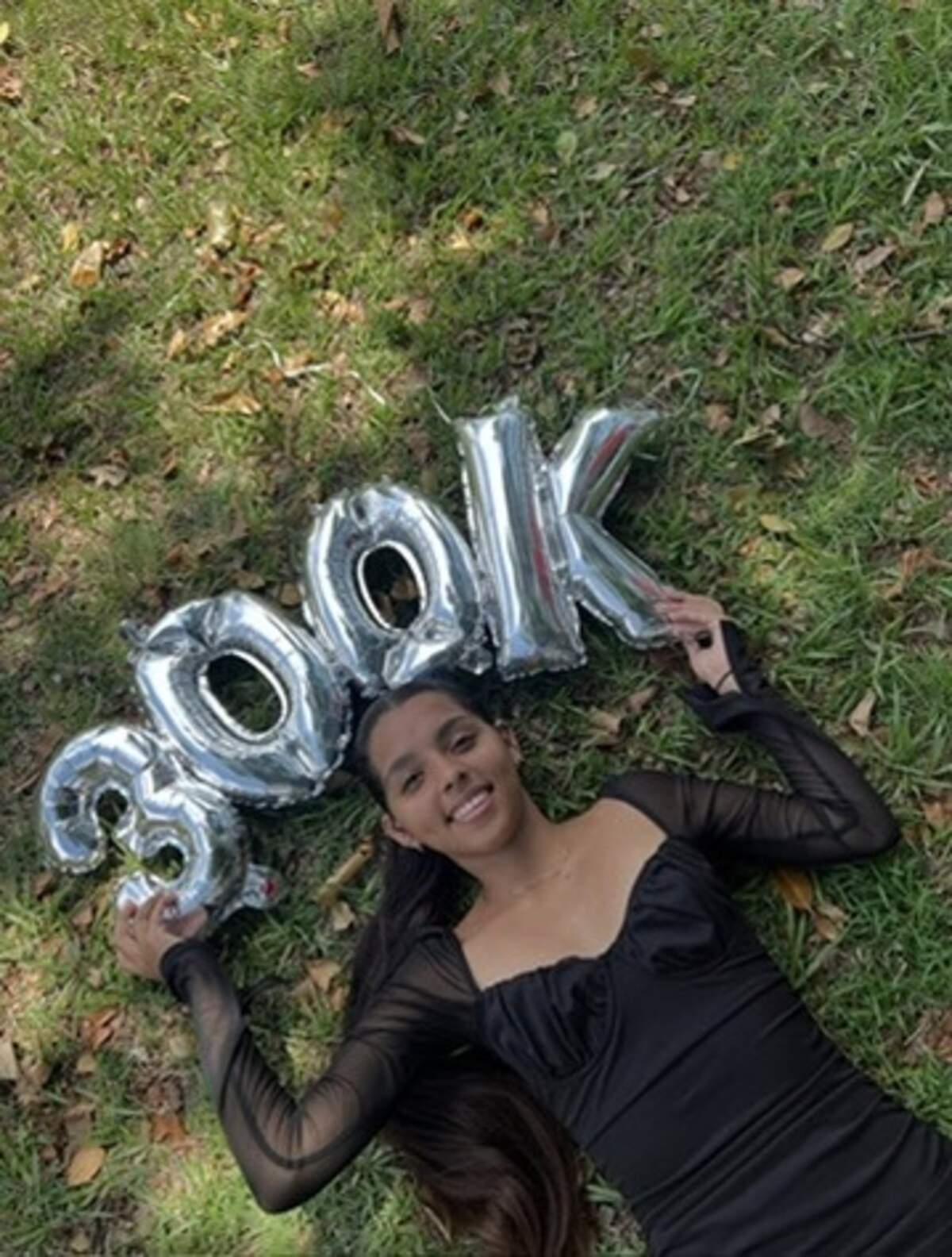
“I don’t even believe it myself,” Lotti said.
Her audience is mostly outside Cuba. Spain and the United States are among the top countries where people follow her, along with Venezuela and the Dominican Republic. Cuba isn’t anywhere near the top.
People watch her content because of some sort of humanitarian voyeurism, she said. Not only do they want to understand what’s happening on the island, they also can’t look away once they see the hardships.
“They like to see what I show,” she said. “And what I show is the pure reality.”
After a very successful March, viewers started asking Lotti for a way to send her and her family money. She resisted at first, but eventually saw how she could have a bigger impact by allowing others to help her. A family friend living in the United States set up a PayPal account linked on Lotti’s socials.
“I never ask,” Lotti said. “The people who help us do it from the heart.”
She has accomplished her original goal of helping her grandparents, but the account has grown into something larger. She’s helped other people in need by distributing boxes of food and buying things for people who are struggling. On Fathers’ Day, she posted a video delivering home cooked meals to lone fathers.
Each post can bring attention, help, criticism or pressure, yet the center of the project stays close to home. “I have to keep going,” Lotti said. “I have to get my grandfather ahead.”
There is no public census of how many influencers or full-time content creators live in Cuba, a category that is difficult to define anywhere and even harder to track on an island where many users rely on workarounds, foreign-based accounts or VPNs. But social media use is widespread: DataReportal estimated that Cuba had 6.56 million social media user identities in late 2025, while fixed internet download speeds were a relatively slow 3.5 megabits per second.
Choosing words carefully
Melisa Pérez Álvarez, 26, doesn’t restrict herself to a niche when making content. She also doesn’t post “just to post,” she says. Although she prefers the “artistic” side of social media, one of her videos about life in Cuba went viral and she began to feel that people were also watching her for something else.
Like those watching Lotti, her viewers wanted to see the country through someone still living there.
“It is very, very complicated to be a content creator here,” Pérez Álvarez said.
Like Lotti, she struggles with an unreliable internet connection. But she also worries about her word choice when sharing her thoughts online.
One of Pérez Álvarez’s most viral videos about Cuba avoided direct criticism of the government. Instead, she said, she used imagery — darkness, streets filled with garbage and people sleeping on park benches — to make her point without saying it too bluntly.
“It all depends on how explicit you are with your words,” Pérez Álvarez said. “I spoke about the situation in the country in a poetic way.”
She doesn’t consider herself a political content creator. That’s not the life she wants online. But she also doesn’t want to exist only as “another doll” or an attractive face on social media, she said.
“I wanted to leave a message beyond that,” she said.
For Pérez Álvarez, that tension is part of creating content from inside Cuba. Her page doesn’t center politics, yet her surroundings speak for themselves.
In one video, she showed a mototaxi ride during heavy rain. The streets were flooded and some drains were uncovered. She thought about a child who had recently died after falling into one, she said. Even a simple commute becomes a reminder of the conditions people on the island navigate every day.
Still, once people outside the island began paying attention to her, she felt a responsibility to show reality.
In Isla de la Juventud, south of mainland Cuba, Marlys Ruiz has built a platform around a different kind of visibility.
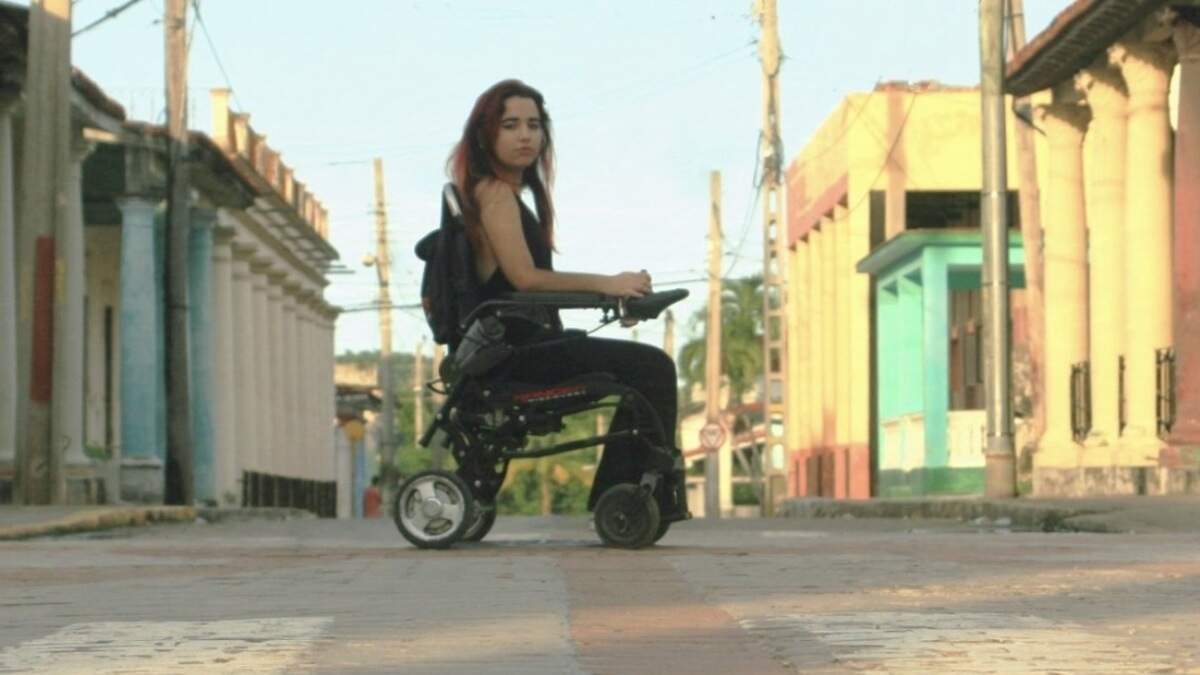
Ruiz, 24 and a wheelchair user, makes content about inclusion, accessibility and life as a woman with a disability in Cuba. Her videos show a side of the island that is often left out of both official narratives and polished social media feeds: what it means to move through a country that was not built with people like her in mind.
She’s posted about traveling by plane in a wheelchair, the conditions she faces when boarding and the places that are difficult or impossible for her to access. In one video, she showed how she travels by boat between Isla de la Juventud and Havana. In another, she spoke about how her father used to carry her up her university’s stairs every day, until her parents convinced the school to build her a ramp.
When making content, she focuses on representing people like her accurately.
“I think my videos influence how people see life or how they see themselves,” Ruiz said.
In Isla de la Juventud, Ruiz said, the power schedule has recently meant 18 hours without electricity, split into nine-hour blocks. During those outages, there is no coverage or internet connection.
More than just preventing her from posting content, the power outages affected her desire to create at all.
Ruiz said she has sometimes stopped herself from making videos because a place looked too ugly, the quality was not good enough or there was no electricity. Watching polished content from creators in other countries can make the limitations feel sharper.
“Cuban content has to be different,” Ruiz said.
She said she hopes more creators inside Cuba use their platforms to reflect the country’s reality. Her own goal is for people with disabilities to live more independently
.“One day,” Ruiz said, she hopes Cuba can be accessible for everyone, “and free, of course.”