
The dream lover who turned out to be a Castro spy after Cuba shoot-down

Editor's Note: Here is original coverage from the Miami Herald archives of the case of a Cuban spy and a duped South Florida woman after the shoot-down of two Brothers to the Rescue planes in 1996.
Lawsuit targets a very personal injury
Published Aug, 4, 1999
By Liz Balmaseda
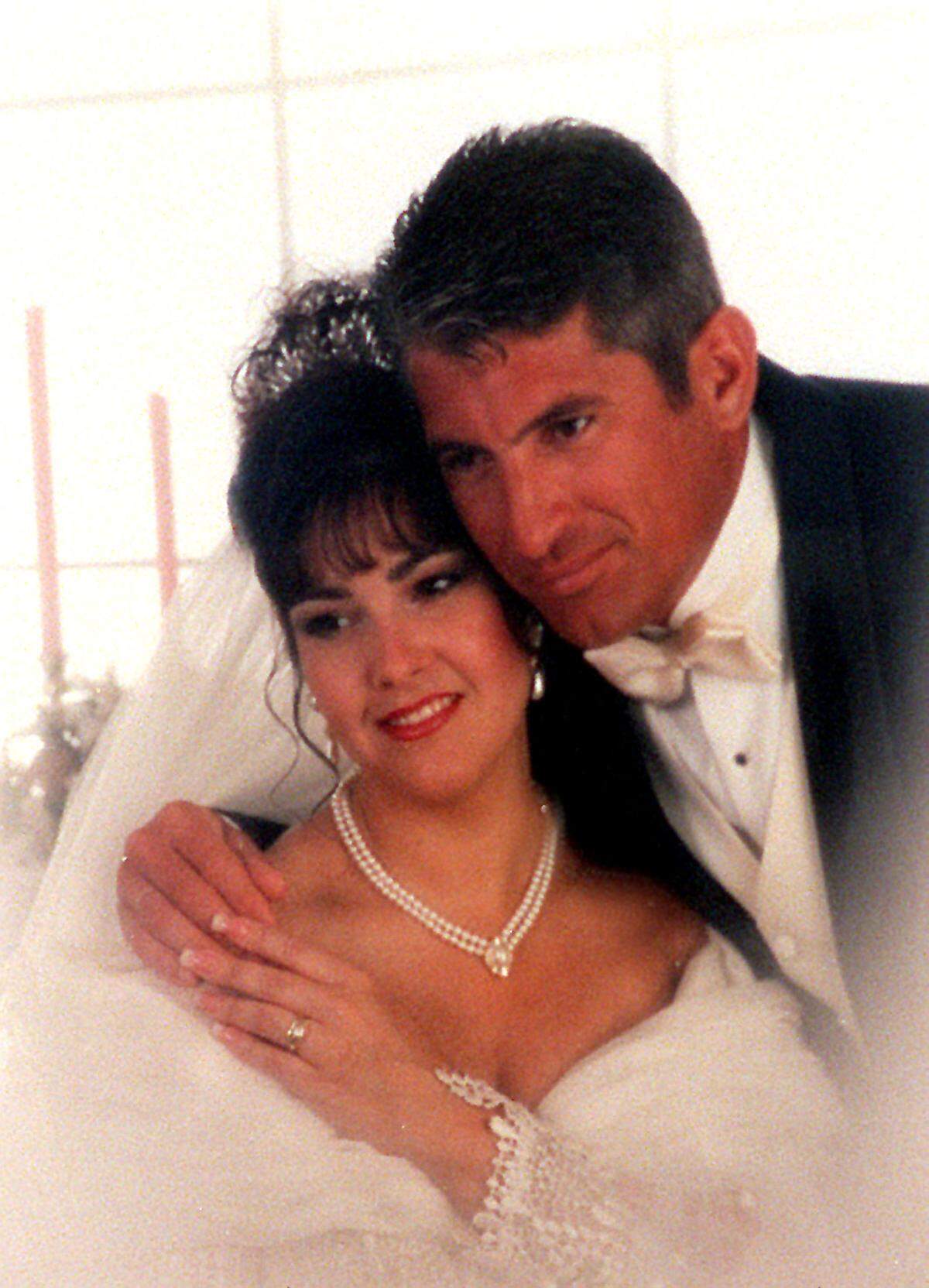
In her soon-to-be-published memoir, Ana Margarita Martinez tells the story of her final night with the man she thought she loved. On that night, in February 1996, she made love to her husband, slept sweetly at his side, kissed him goodbye as he went off on a business trip.
She describes feelings any wife would have for her beloved husband.
Three years and a few spy stories later, Martinez has come to view that tender final sequence in a different light:
It was rape, she charged Monday in a personal injury lawsuit filed in Miami-Dade Circuit Court. And the rapist who prowled in her bedroom for 11 months was not a lone man, but an entire government, the government of Cuba.
Her dream husband, it turned out, was a spy for Fidel Castro, a double defector who surfaced in Havana the same weekend that Cuban fighter jets shot down two Brothers to the Rescue planes, killing four civilian crewmen.
Not only did Martinez marry Mr. Wrong, she married a phantom. She was left to ponder empty dresser drawers and piece together the subtle clues of their final days together. In the larger scheme, she seemed insignificant. After all, unlike the four crewmen, she had survived Roque’s deception.
But the damage, she says, has proven indelible. The tragedy turned many in the exile community against her, thrust cameras into her home, forced her to grieve in public for the husband she never truly had. Was she a spy or a blind fool, people hissed.
Like many jilted spouses in a nasty divorce, Martinez, 39, a mother of two, worked out her anguish during intense therapy sessions. But unlike your typical divorcee, she could not confront her ex. He had vanished.
She fantasized about getting even. But how would she do it?
Her answer came when she met lawyer Fernando Zulueta. Intrigued by her dilemma, he researched the federal statutes. He found the law required more than evidence of fraud to indict a sovereign nation. But if he could establish personal injury, he could make a case.
Besides, he found a precedent in a 1995 Florida case, Hogan vs. Tazvel, in which a woman sued her husband for sexual battery after he infected her with genital warts. In that case, Zulueta points out, the court ruled that the woman’s consent to marital sex was nullified by her cheating husband’s deception.
“Roque married Ana to establish a cover,” the lawyer says. “In doing so, basically, he was raping her.”
It seems a ludicrous charge. Wouldn’t the same apply to any marriage annuled for reasons of fraud? If so, doesn’t such a lawsuit open the floodgates of litigation for deceived spouses everywhere, even in this no-fault state?
The difference, says Martinez, is that her ex was not your ordinary cheating husband. He was an employee of an enemy state.
“He managed to infiltrate not only the exile organizations, but every part of her life,” says Miami writer Diana Montane, who coauthored Martinez’s book, Estrecho de Traicion (Straits of Betrayal), which is to be published locally.
For Martinez, the case is not about the fine points of law. “This is about fighting back,” she says.
Meanwhile, she’s heard Roque remarried - and is going through a divorce. She’s heard he wasted no time in finding new mates.
“This is number three since he got back to Cuba,” she says.
But for her, closure has been elusive. The only thing that has come close has been filing this lawsuit.
“Of course you could say I’m bringing it all back to the public eye, but it’s different this time,” she says. “This time, I’m in control.”
Arguing her case in court
Published March 15, 2001
By Liz Balmaseda
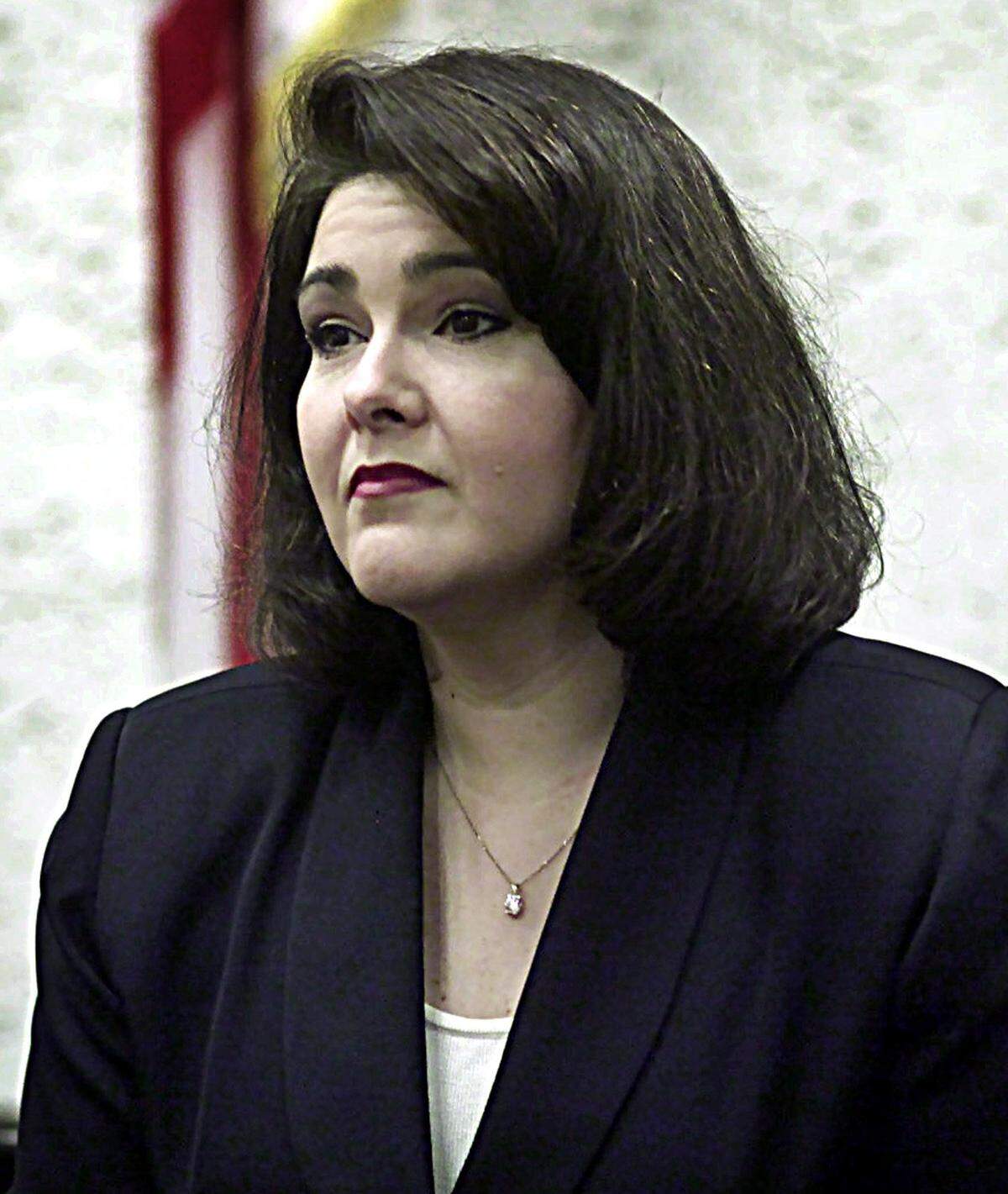
Ana Margarita Martinez left a Miami courtroom this week as a virtual multimillionaire because she married the wrong guy - or, depending how you look at it, she married the right guy.
Martinez, a 40-year-old mother of two, sued the Fidel Castro government for sexual battery because the man she believed to be a loving, faithful husband, Juan Pablo Roque, turned out to be a Cuban spy.
A Miami-Dade Circuit judge agreed Cuba should pay $7.175 million in compensatory damages for inflicting such hardship on Martinez. Martinez could get a lump-sum check as soon as that money, drawn from frozen Cuban assets, are cleared by President Bush.
Indeed, her ex proved to be a dangerous man working for a lethal regime. In mock exile, Roque posed as a church-going volunteer for Brothers to the Rescue. His abrupt flight from Miami to Havana coincided with Cuba’s shootdown of two Brothers planes, causing the deaths of three Americans and one U.S. resident.
As Martinez’s husband, Roque proved to be a bastard, snookering her into marriage, then vanishing.
But if you take Cuba out of this equation, you have to wonder what makes Roque any different from other men who pronounce marital vows they never intend to keep.
Every woman who has ever been dumped can understand the impotence Martinez felt that day when she stared into his emptied dresser. I bet there’s a working-class mother somewhere in this city who woke up today to a similar shock and now, scared and broke, contemplates the fraud that was her life.
What about the unsuspecting wives of drug dealers, terrorists and pedophiles? Or those used for their money? I’m sure their pain is no lighter.
I asked Martinez these and other questions. Here’s how our woman-to-woman went:
Q: What makes your heartache any different from any other woman’s heartache?
A: The difference is we’re talking about a government here. We’re talking about a marriage that was controlled by the Cuban government. In order for this man to have married me or even dated me, he had to get approval.
Q: What about the love you felt for him - that wasn’t controlled . . .
A: That’s why I was so easily fooled. I was just a pawn. That’s what really disgusts me.
Q: Let’s talk about those frozen assets, which by law can be made available to victims of terrorism or their relatives. How are you a victim of terrorism?
A: I was used for the purpose of terrorism.
Q: One can argue that those funds belong not to the Castro government, but to the people of Cuba . . .
A: If Fidel Castro had fallen, I wouldn’t have sued. But what if the embargo gets lifted tomorrow? He could put that money in a Swiss bank account.
Q: But consider this scenario: Castro dies next year, clearing the way for a democratic Cuba. Will you still take that money, which could be used to rebuild the nation?
A: I’m going to be part of rebuilding Cuba. I expect to support worthy causes like the dissident movement, which I’ve always supported.
Q: Even if this verdict does hit the Castro government, it doesn’t appear to even touch Roque. As a woman, doesn’t that leave you where you started?
A: He’s nothing but a puppet. I’m sure he’s stewing because, due to his actions, I won this lawsuit. He knows his actions indirectly hurt his government. Look, the man doesn’t have a day of peace in his life, whatever is left of it. Too many people want his head - I wouldn’t give you a dime for it. He’s in God’s hands. This is good enough for me.
Jilted wife of spy sins $7.1 million
Published March 10, 2001
By Jay Weaver
The jilted former wife of Cuban spy Juan Pablo Roque was awarded more than $7 million in damages Friday by a Miami judge who declared Cuba committed acts of sexual battery, torture and terrorism by orchestrating Roque’s sham marriage so he could infiltrate the exile community.
“This court finds that as the unwitting victim in a plot among terrorists that was targeted, used and injured in furtherance of acts of international terrorism, Ms. [Ana Margarita] Martinez herself is the victim of a terrorist act,” Miami-Dade Circuit Judge Alan Postman ruled.
Postman said he wanted to impose a separate $20 million award in punitive damages against Cuba for its “repugnant, contemptible and reprehensible” actions. But he could not because Cuba has sovereign immunity under federal law.
The judge’s award of $7.175 million in compensatory damages took into account Martinez’s emotional pain and suffering, including not only the alleged sexual battery but also the ridicule by some exiles who labeled her as Roque’s ally in his spy mission.
To collect the civil judgment, her attorneys will rely on an anti-terrorist law to pursue frozen Cuban assets in this country - an arduous process that will involve finding the assets, garnishing them and then obtaining President Bush’s approval to tap them.
Cuba chose not to defend itself in Martinez’s suit, saying in a diplomatic note that the U.S. courts have no jurisdiction over its government.
Last June, Postman found Fidel Castro’s government liable. Following a brief damages trial last month, the judge decided to award $175,000 a year for the rest of Martinez’s expected lifetime, to age 81.
Martinez, 40, an executive secretary with two teenage children from a previous marriage, had mixed feelings.
“The only disappointment is I don’t think the award gives Cuba a hard enough blow,” said a teary Martinez. “I wish it could have been higher, not so much for my sake, but for the Cuban government to feel more pain from this.”
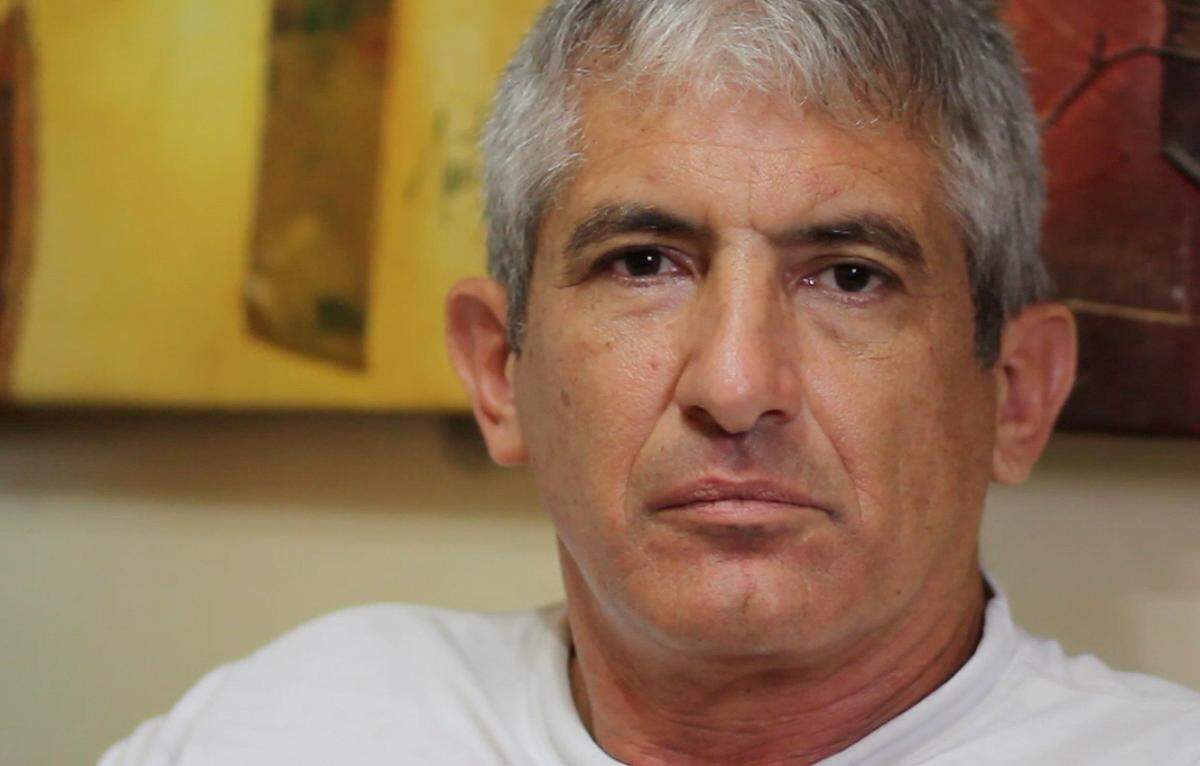
Roque, described as a dashing pilot who portrayed himself as an anti-communist, left Cuba in 1992 and dated Martinez for three years before marrying her. He used the marriage as a front while he infiltrated the exile community and, in particular, the Brothers to the Rescue, which searches for Cuban rafters at sea.
Roque abruptly left Miami on Feb. 23, 1996. His shocking identity was revealed during a CNN interview in Havana on Feb. 26 - two days after Cuban jets shot down two Brothers planes, killing four fliers.
“[Roque] was a bad actor, but the real bad egg was the Cuban government,” said attorney Fernando Zulueta, who represented Martinez.
In his 22-page opinion, Postman said Roque, as an agent of the Cuban government, committed sexual battery on Martinez because he did not have her “informed consent to having marital relations.”
The shootdown and subsequent revelation of Roque’s identity shattered Martinez’s life, the judge wrote. Roque was eventually indicted as part of a spy ring that allegedly conspired to penetrate U.S. military establishments. Five of his co-conspirators are now on trial in federal court.
In the civil case, Postman said the Castro government pulled all the strings behind the scenes, including Roque’s marriage to Martinez, without any concern for the fallout.
“Ms. Martinez was emotionally distraught and devastated by the revelation,” the judge wrote. “Betrayed and alone, she suffered the criticism of some members of the local Cuban-American community who doubted her sincerity.
“Some members of the local community ostracized Ms. Martinez, mistakenly suspecting that she might have known her husband was a Cuban spy. She allegedly was accused on some radio programs of conspiring with Roque.”
Following the shootdown, three of the four fliers’ families sued the Cuban government. In 1997, U.S. District Judge James Lawrence King awarded the families about $50 million in damages, plus $35 million in sanctions against Cuba.
But citing national security interests, President Clinton would not unfreeze Cuban assets to pay the judgment - at least not until Congress passed a law last fall to take care of terrorist victims’ families.
Last month, the U.S. government transferred about $93 million, including interest, in frozen Cuban bank accounts to the Brothers families.
Attorney Scott Leeds, who also represented Martinez, said it might take a couple of years to unlock more blocked Cuban assets for his client, but he expects cooperation from the Bush administration.
“In the scheme of things, you couldn’t ask for a better administration,” Leeds said. “Both on a state and federal level, it will be well received. . . . This was truly a terrorist act. You don’t let that money go back to [perpetrators] of terrorist acts.”
Wife of Cuban spy has her own mission: a new life
Published April 20, 1996
By Armando Correa
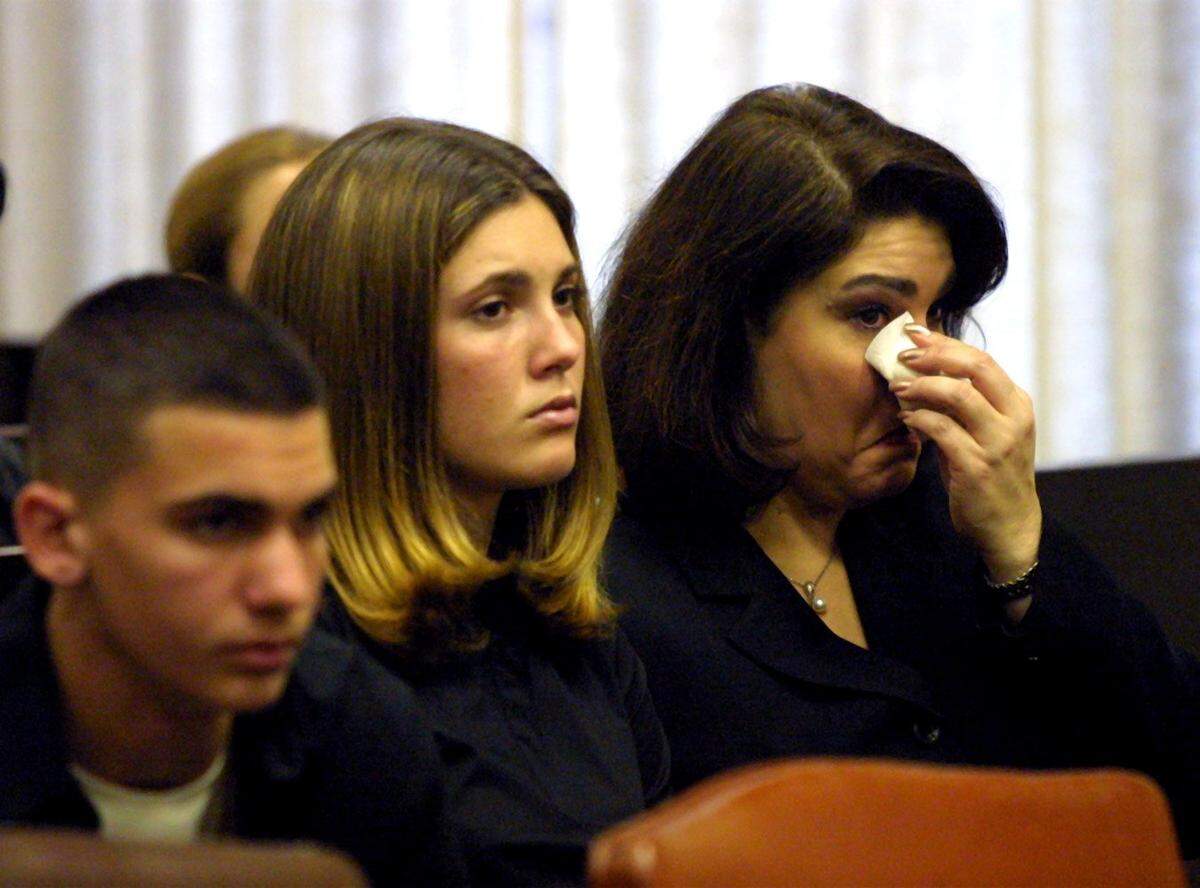
Two months after her husband Juan Pablo Roque abandoned her to return to Cuba in a much-publicized double defection, Ana Roque is trying to start a new life.
“I had a lot of trouble dealing with the truth,” she said Friday. “I couldn’t believe that the man I married, the man I loved, had betrayed me. After reviewing the past, remembering conversations, and rereading his book, I’ve become convinced that he was just performing a mission” for the Cuban government.
“My mission now is to wipe him from my mind -- with God’s help,” she said.
Juan Pablo Roque, 40, who arrived in Miami in 1993 identifying himself as a Cuban air force defector, disappeared Feb. 23 from the Kendall home he shared with Ana, 35, and her two children.. The next day, two Cessnas flown by the volunteer group Brothers to the Rescue were shot down over the Florida Straits by Cuban warplanes. Four civilian crewmen died.
Days later, Roque appeared on Cuban television, accusing Brothers to the Rescue -- an organization he joined in 1993 -- of colluding with the CIA to commit acts of sabotage on the island. Little is known of his activities since he returned to Cuba.
“One day I’m going to make a barbecue and burn everything connected with him,” Ana Roque said Friday.
She is seeking an annulment of their two-year marriage and wants to regain her maiden name: Ana Margarita Martinez.
“He doesn’t deserve a divorce,” she said. “It must be as if the marriage never happened.”
Ana Roque’s principal income comes from her job as a bank secretary. Also, she has received numerous cash donations from members of her church, “with which I’ve paid for my children’s private school. Now I’m trying to sell the car Juan Pablo left behind and other items we bought together.” The monthly payments on the car are $227.
In one of the interviews he gave in Cuba, Juan Pablo Roque said that what he missed most from his Miami stay was his Jeep Cherokee. Right after Juan Pablo’s departure, “I took (tranquilizers) and went about in a daze, weeping, but now things have changed,” she said. “I feel stronger, like a different woman. There’s neither hatred nor anger in me.”
But she would be careful before getting married again. “I think I could trust another man,” she replied, “but first I would have him investigated.”