
Indictment of Raul Castro for 1996 shoot-down expected to be unsealed in Miami next week
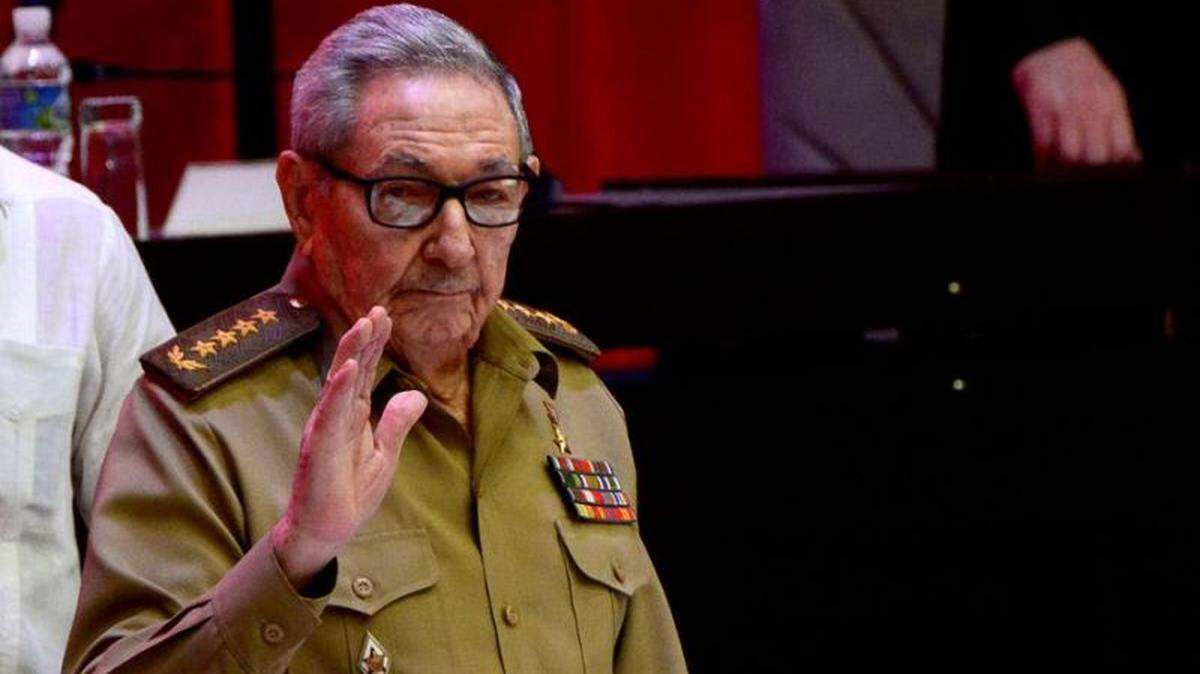
A federal indictment charging Raúl Castro for the murders of four people in the shoot-down of two Brothers to the Rescue planes in 1996 is expected to be unsealed Wednesday, to coincide with a symbolic event at Miami’s Freedom Tower on Cuba’s independence day.
Two sources familiar with the investigation in Miami told the Miami Herald the grand jury indictment is expected to be presented at a May 20 event organized by the U.S. Attorney’s Office for the Southern District of Florida to honor the four victims, Armando Alejandre, Mario de la Peña, Carlos Costa and Pablo Morales.
The indictment of Castro, who is Cuba’s ultimate authority who is turning 95 next month, comes amid unprecedented pressure from the Trump administration on the Cuban government to make major reforms and heightened expectations among Cubans in Miami about regime change on the island. News of the impending indictment was first reported by CBS News on Thursday, the same day the director of the CIA traveled to the island to deliver a warning to Cuban officials, including Raúl Castro’s grandson, Raúl Guillermo Rodríguez Castro, that the time to make fundamental changes is now.
“The indictment is symbolic, the symbolism of indicting one of the arch enemies of the Cuban American community and the architect of the Cuban revolution, which failed,” said Brian Fonseca, vice provost for defense and national security research and director of the Jack D. Gordon Institute for Public Policy at Florida International University.
The indictment also may serve to “unlock new instruments of American power, like enhanced U.S. law enforcement operations” in Cuba, and is all part of a pressure campaign on Cuban leaders to make changes, Fonseca added.
The shooting marked one of the moments of highest tension between the two countries.
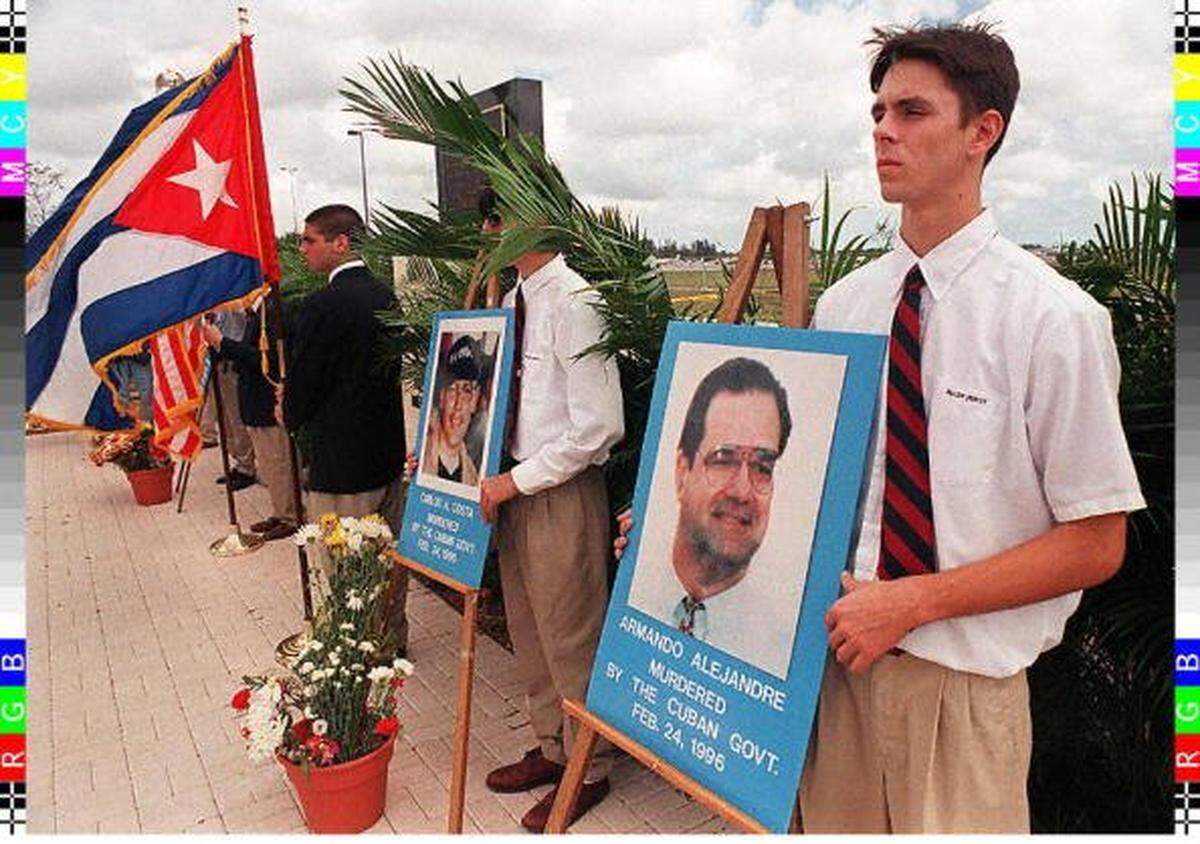
On February 24, 1996, Cuban MiG fighter jets shot down two Cessna aircraft operated by the Brothers to the Rescue, a Cuban exile organization that looked for Cuban rafters at sea. A third plane with the head of the organization, José Basulto, was able to escape. The shooting happened on international waters, according to an investigation by the International Civil Aviation Organization.
The planes were unarmed, but the Cuban government justified the shootings, arguing the organization had dropped leaflets over Havana in previous incidents.
Both Raúl Castro and Fidel Castro took responsibility for the order to shoot down the planes, but they were never prosecuted.
In a CBS interview in July 1996, Fidel Castro said he gave “the order to communicate to the Air Force that what happened... could not be allowed again... They had the general order not to allow them... They acted with full awareness that they were fulfilling the order... I assume responsibility for that.”
But an audio first obtained by el Nuevo Herald is likely at the center of the new indictment.
In a June 1996 audio of a meeting with Cuban journalists, Raúl Castro is heard saying: “I said they should try to shoot them down over our territory, but they would enter Havana and then leave… Of course, with one of those air-to-air missiles, what comes crashing down is a ball of fire, and it’s going to fall right on top of the city. Well, shoot them down over the sea when they appear.”
The audio, if authenticated in court, shows Castro did not simply give a general order but was also involved in the decision-making process.
The news website Politico also reported in December 2014 that U.S. Rep. James McGovern said that Raúl Castro admitted to giving the order to shoot down two private airplanes with U.S. citizens on board.
According to the report, McGovern said Castro told him, ‘‘I gave the order. I’m the one responsible.”
The shootings immediately sparked litigation in Florida.
The families of three of the victims sued the Cuban government and the Cuban Air Force in a wrongful-death lawsuit in October 1996, and won $187 million in damages in a landmark case. Pablo Morales’s relatives could not join in because he was not a U.S. citizen.
The judge in the case, James Lawrence King, ruled that on Feb. 24, 1996, the Cuban government, “in an outrageous contempt for international law and basic human rights, murdered four human beings in international airspace over the Florida Straits.” Cuba refused to pay, but the U.S. government authorized the transfer of $93 million in frozen Cuban assets to the families.
“The evidence in the case was overwhelming,” said Bob Martinez, a former U.S. attorney for the Southern District of Florida who represented the relatives of the victims.
In 1999, Gerardo Hernández, the head of the Cuban espionage ring known as the “Wasp” network, was indicted for espionage and conspiracy to commit murder in connection with the shoot-down of the Brothers to the Rescue aircraft. He was sentenced to life in prison but was released in a prisoner swap in December 2014, as part of normalization efforts by the Obama administration.
Gen. Rubén Martínez Puente, the head of the Cuban air force at the time of the shootdown, and the two pilots who shot down the planes, the brothers Lorenzo Alberto and Francisco Pérez Pérez, were also indicted by a federal grand jury in 2003 for murder and conspiracy to kill U.S. nationals. They were never tried. Martínez Puente died in 2021.
This story was originally published May 15, 2026 at 1:44 PM.