
Cuba crisis: Relief from Russian oil won’t be felt for weeks, will last a few days
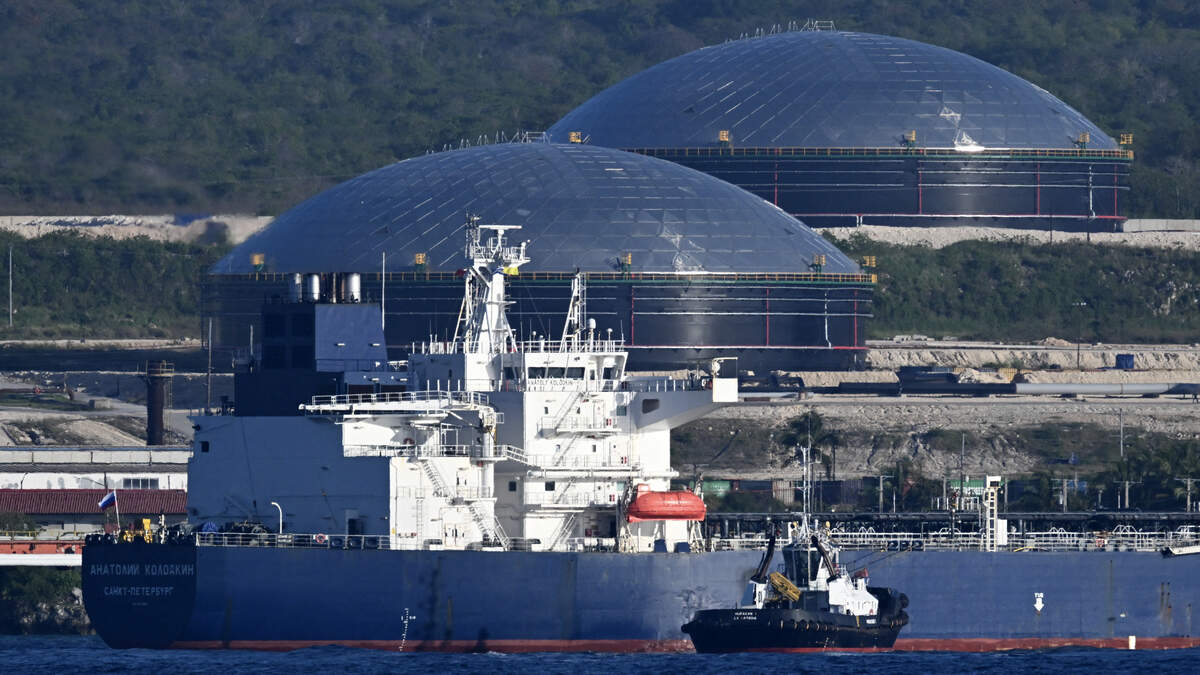
Crude oil arriving in Cuba on Monday on a Russian tanker will take almost a month to be turned into diesel needed for transportation, water pumping and backup generators around the country, giving Cubans small relief for a few days, a leading energy expert told the Miami Herald.
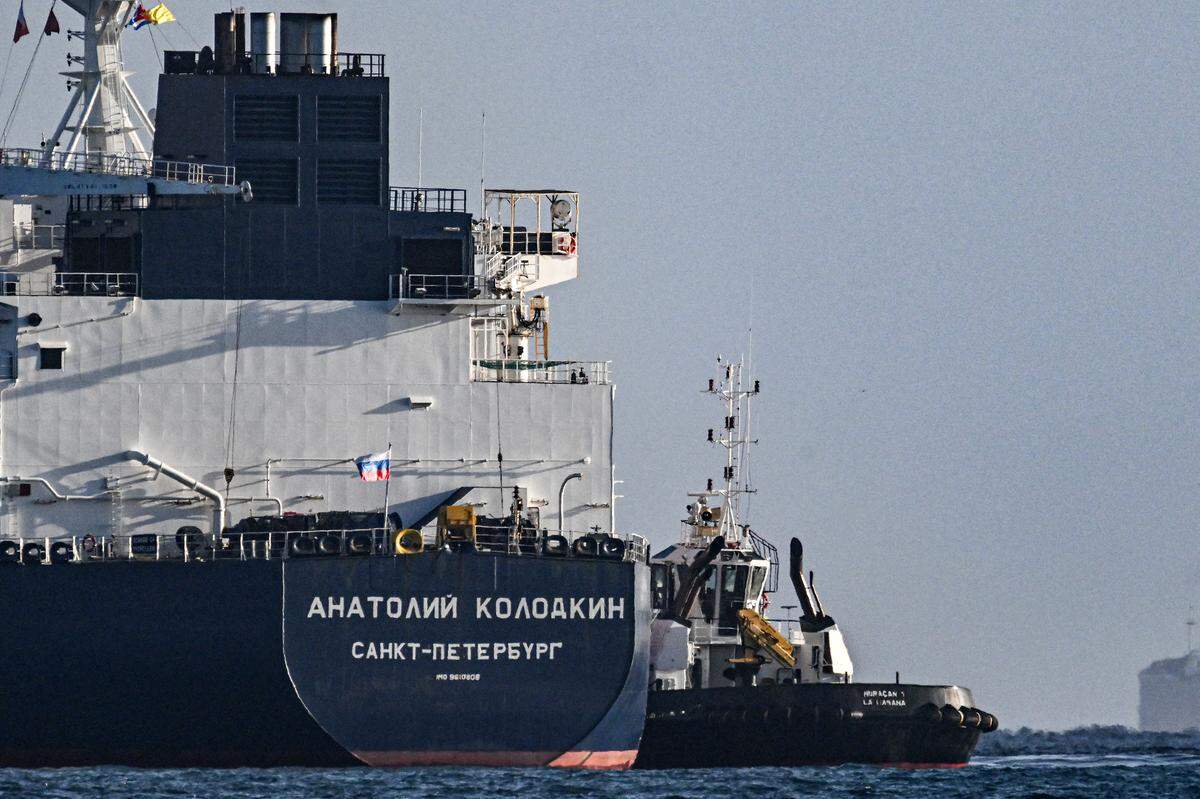
The Russian tanker Anatoly Kolodin, carrying $84 million worth of Urals crude oil, was close to Cayo Coco, off Cuba’s north coast, on Monday morning and was expected to arrive in Matanzas near midnight, said Jorge Piñón, a senior research fellow at the University of Texas at Austin Energy Institute.
The arrival marks the first oil shipment to the island since January and has drawn considerable attention because it defied a de facto oil embargo the Trump administration had imposed to pressure the Cuban government to negotiate reforms on the communist-run island. Earlier this month, the Trump administration allowed private companies in Cuba to import U.S. fuel, and updated a waiver allowing the temporary sale of Russian oil under U.S. sanctions to explicitly exclude Cuba from the benefit.
In Cuba, the government is rationing the sale of gas, sold only in dollars, to 20 liters — just over five gallons — per customer, and the sales system is so backed up that slots are dated for nine months in advance. The country has all but come to a halt, with almost no public transportation and reduced work and school hours.
Despite the expectations surrounding the Russian tanker, however, the 750,000 barrels of oil it is carrying will not fix the island’s energy crisis nor alleviate the blackouts that plunge Cuba’s cities and towns into darkness every night, Piñón said.
“It’s a Band-Aid,” he said. “It won’t change the situation in the slightest. And it’s going to backfire on them, because they are raising the people’s expectations, and people are tired of these promises that aren’t real.”
A month before distribution
The crude oil is expected to be refined into diesel and won’t be used to generate electricity at the country’s eight power stations, which are designed to run on the 40,000 barrels of oil that Cuba itself produces daily, he explained.
But it may take up to a month for the diesel to be distributed across the country.
Because of its size, the Russian ship must unload the oil at the Matanzas super tanker base. The oil should then be carried by smaller Cuban ships to the refinery in Havana. Refining takes about 20 days, and the entire process could take up to a month.
The crude shipment could produce diesel to meet the country’s needs for about 12 or 14 days, but the government could prioritize certain uses, Piñón said, including transportation, water pumping, agricultural production, and the offloading of shipments that have accumulated in ports, including aid sent by Cuban Americans to relatives. The distribution of diesel for the hospital’s backup generators would require deploying several trucks nationwide, he added.
If the government fears a U.S. military action, as Cuban officials have said, it would likely keep some of the diesel for trucks and tanks, Piñón said.
Factors involved
The U.S. war on Iran, along with the fear of a possible humanitarian catastrophe as Cuba runs out of fuel — as well as aversion to a direct confrontation with Russia — likely all went into the calculations by the Trump administration to allow the shipment of oil, and perhaps more in the future, to reach the island.
“We have a tanker out there. We don’t mind having somebody get a boatload because they need… they have to survive,” President Donald Trump told reporters Sunday aboard Air Force One. “I told them, if a country wants to send some oil to Cuba right now, I have no problem whether it’s Russia or not.”
A White House spokesperson said the decision to allow the Russian tanker to deliver oil to Cuba did not imply a change in policy towards Cuba.
“This is not a policy change, there has not been a formal change in sanction policy,” Karoline Leavitt said during a press briefing Monday. “As the president said last night we allowed this ship to reach Cuba in order to provide humanitarian needs to the Cuban people. These decisions are being made on a case-by-case basis.
“Cuba’s non-functional economy cannot be fixed unless they undergo dramatic, political and leadership change, but there has been no formal change,” she added.
Kremlin spokesman Dimitri Peskov said Monday the oil shipment was meant to help Cuba maintain essential needs, including medical services, and that it was discussed with the Trump administration. Piñón said Cuba was unlikely to have paid the $84 million to Russia, since the island is known for negotiating credits or other forms of payments.
Mexican President Claudia Sheinbaum was noncommittal about resuming oil shipments to Cuba but said her government was “working” with Cuba on the matter.
Trump said this weekend that he did not believe isolated shipments would make any difference for Cuba’s many problems, downplaying the decision to let the Russian tanker deliver the oil.
Asked if the decision would help Russia’s president Vladimir Putin, he replied, “Why? He loses one boatload of oil. That’s all it is. If he wants to do that and if other countries want to do it, it doesn’t bother me much. It’s not going to have an impact. Cuba is finished.”
“Cuba’s going to be next,” Trump also told reporters flying back with him to Washington on Sunday. “Cuba’s a mess, it’s a failing country, and they’re going to be next. Within a short period of time, it’s going to fail, and we will be there to help it out. We’ll be there to help our good Cuban-Americans out.”
Political changes?
On Saturday, Secretary of State Marco Rubio said the administration was not merely seeking economic changes in Cuba.
“Cuba’s economy needs to change, and their economy can’t change unless the system of government changes, it’s that simple,” he said.
Cuban leaders have already ruled out negotiating political changes, bringing the dialogue with the United States to an apparent impasse.
In an interview aired Monday on Al-Jazeera, Cuba’s deputy foreign minister, Josefina Vidal, said her government preferred to maintain a dialogue with the United States but would resist a military attack by the U.S.
“We will defend our country, we are absolutely determined to defend our country,” she said.
This story was originally published March 30, 2026 at 6:45 PM.