
U.S. says Cuba can’t buy Russian oil just as tanker approaches the island
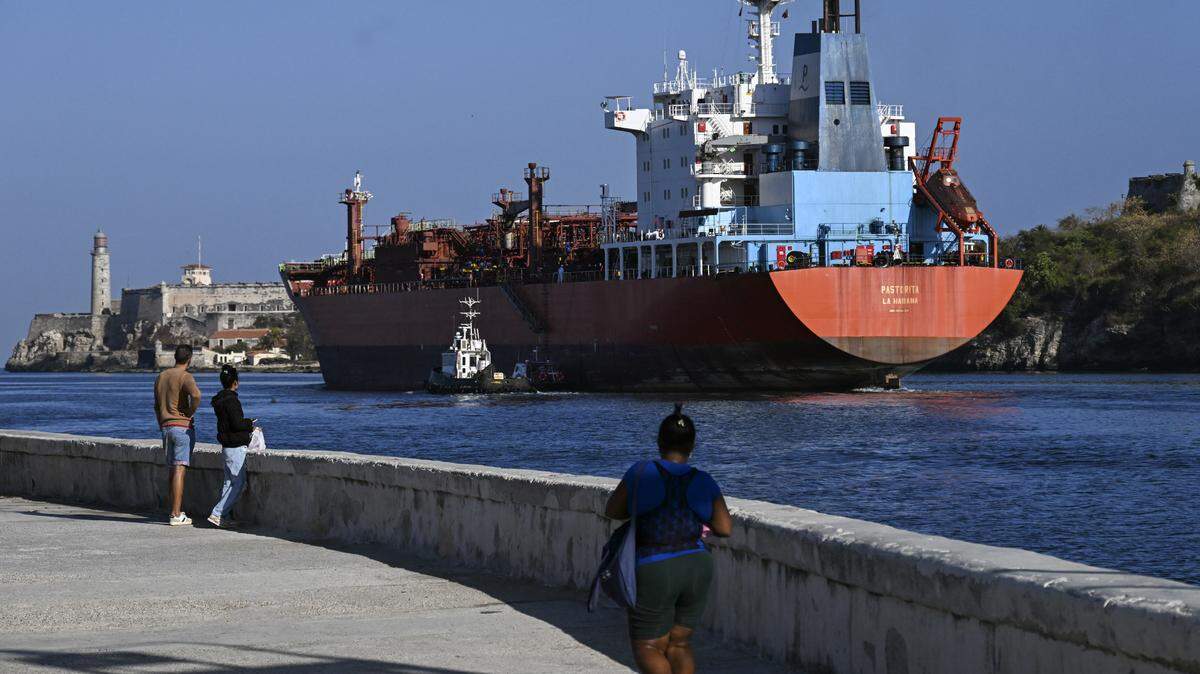
The U.S. Treasury Department has included Cuba among the few countries that cannot benefit from a temporal lifting of sanctions on Russian oil, just as a Russian tanker carrying crude is heading to the island in defiance of the Trump administration.
As the price of gas has soared in the midst of the U.S. military conflict with Iran, the Treasury authorized last week the sale of previously sanctioned Russian oil loaded to vessels between March 12 and April 11. But on Thursday, it changed the regulations to exclude sales to Cuba, Iran and North Korea.
The exclusion comes after a Russian ship, the Anatoly Kolodkin, which is under U.S. sanctions, had sailed to Cuba carrying about 700,000 barrels of Russian crude.
“The question everybody has is what the administration will do” if the ship continues intent on delivering the oil to Cuba, said Jorge Piñón, an energy expert at the University of Texas at Austin.
Read more: Will fuel reach Cuba? Russian oil tankers test U.S. pressure on Havana as crisis deepens
The shipment could provide Cuba with a lifeline to ease its energy crisis for a few weeks. But a significant U.S. military presence remains in the Caribbean that could move to intercept or escort away sanctioned tankers, and enforce the Trump administration’s de facto oil embargo on Cuba.
If the Russian ship reaches the island “it would take between 15-20 days for Cuba’s inefficient and low conversion oil refineries to turn it into high value products, particularly diesel,” Piñón said.
Another ship, the Sea Horse, a Hong-Kong-flagged tanker, was carrying an estimated 190,000 barrels of Russian diesel toward Cuba and appeared to have changed course Thursday after approaching the island this week.
It is now bound for Puerto Cabello in Venezuela, according to tracking services.
Previously, the ship appeared to be drifting in the Atlantic for three weeks, according to vessel tracking data. It had previously switched off its transponder during a ship-to-ship transfer of the Russian fuel near Cyprus, a tactic commonly linked to sanctions evasions.
Maritime tracking firm Winward suggested the ship may have spoofed its location and surreptitiously delivered the fuel to Cuba already. But Piñón said the vessel’s draft, a measure of how deeply a ship sits in the water, has been the same since leaving the Mediterranean 35 days ago, indicating that it has not unloaded any of its cargo.
Whether Cuba is able to secure deliveries despite U.S. efforts might be central to ongoing talks between the two countries and the prospects of economic and political changes in the country.
While the cut-off of oil supplies by the Trump administration had pressured Cuba’s leadership to release a few political prisoners and announce limited reforms to allow Cubans abroad to own private businesses, Cuban leaders have signaled they would not go further.
Cuban leader Miguel Díaz-Canel vowed “impregnable resistance” this week after President Donald Trump said he would “take Cuba.”
On Thursday, Cuba’s ambassador to the United Nations, Ernesto Soberón Guzmán, told Bloomberg news that a “friendly takeover, regime change, the removal of the president are completely out of any dialogue.”
Meanwhile, the Cuban government is leaning on a wide network of far-left groups and influencers around the world to call attention on social media to the effects of U.S. sanctions and the cut-off of oil supplies, while avoiding scrutiny over its human-rights record and its role in precipitating the ongoing humanitarian crisis.
About 140 activists left Miami Friday as part of a “Nuestra América” convoy organized by Progressive International, a network of far-left organizations. The group, which includes members of Code Pink, the woman-led social justice organization, said its aim is to deliver humanitarian donations and oppose the United States’ “depraved policy of economic warfare,” Code Pink founder Medea Benjamin said in a statement.