
‘Many will die’: Cuba’s health system is on the verge of collapse, doctors warn
AI-generated summary reviewed by our newsroom.
- Unable to translate. Please try again.
- Unable to translate. Please try again.
- Unable to translate. Please try again.
Though it isn’t at war, Cuba is facing a health crisis more typical of countries in armed conflict. Its already strained medical system — pushed to the brink even before fuel shipments to the island were disrupted — has now halted all but emergency surgeries.
Fuel shortages are triggering daily blackouts lasting up to 20 hours, and health officials say X-ray, ultrasound and CT machines are often unusable. As a result, doctors are being forced to fall back on basic clinical exams to diagnose patients.
“Today I refused to take the shift, because the minimum conditions to work safely do not exist,” a doctor in Cuba posted on social media, reporting that there is no electrocardiogram machine at Hospital Guillermo Domínguez in Puerto Padre, Las Tunas province.
Health workers, unable to do much amid severe medicine shortages and crumbling facilities, are increasingly frustrated. Their anger mirrors that of many Cubans, who take to social media when they can to vent about a system that now seems to prescribe little more than “drink plenty of water” for almost any ailment.
To many, Cuba has become a symbol of “medical impotence,” a stark contrast to the government’s decadeslong effort to market its health system as a global model — even as it has steadily deteriorated since the collapse of Soviet support.
Cuban hospitals in deplorable condition
Even before President Trump moved to raise tariffs on countries supplying oil to the island, Cuban hospitals were already in disrepair — dirty, crumbling facilities where rodents and cockroaches crawled along the walls and mold stained mattresses and bathrooms.
Now, some resemble scenes from a horror film, plunged into darkness by power outages. Corridors sit empty because routine procedures have been suspended and patients can’t get there without transportation, according to a social media post that included photos from the Hospital Clínico Quirúrgico Joaquín Albarrán in Havana.
“Cuba is experiencing a public health crisis with serious and immediate consequences for the population and long-term consequences for the health system,” Dr. Antonio Guedes, author of “Del dicho al hecho. La leyenda de la sanidad en Cuba 1902-2024” (From words to deeds. The legend of healthcare in Cuba 1902-2024), told el Nuevo Herald.
“The crisis, a direct result of the political decisions of the communist regime,” Guedes says, “manifests in increased preventable mortality and morbidity.”
“Treatable illnesses such as cancer and cardiac and pulmonary problems worsen when not treated in time, progressing from chronic to fatal or inoperable,” Guedes says.
Waiting lists for disease diagnosis and nonurgent surgeries are becoming unmanageable, emergency rooms are overwhelmed, and staff is exhausted, Guedes warns. He recently sounded the alarm about Cuba’s poor sanitation conditions after Hurricane Melissa in October.
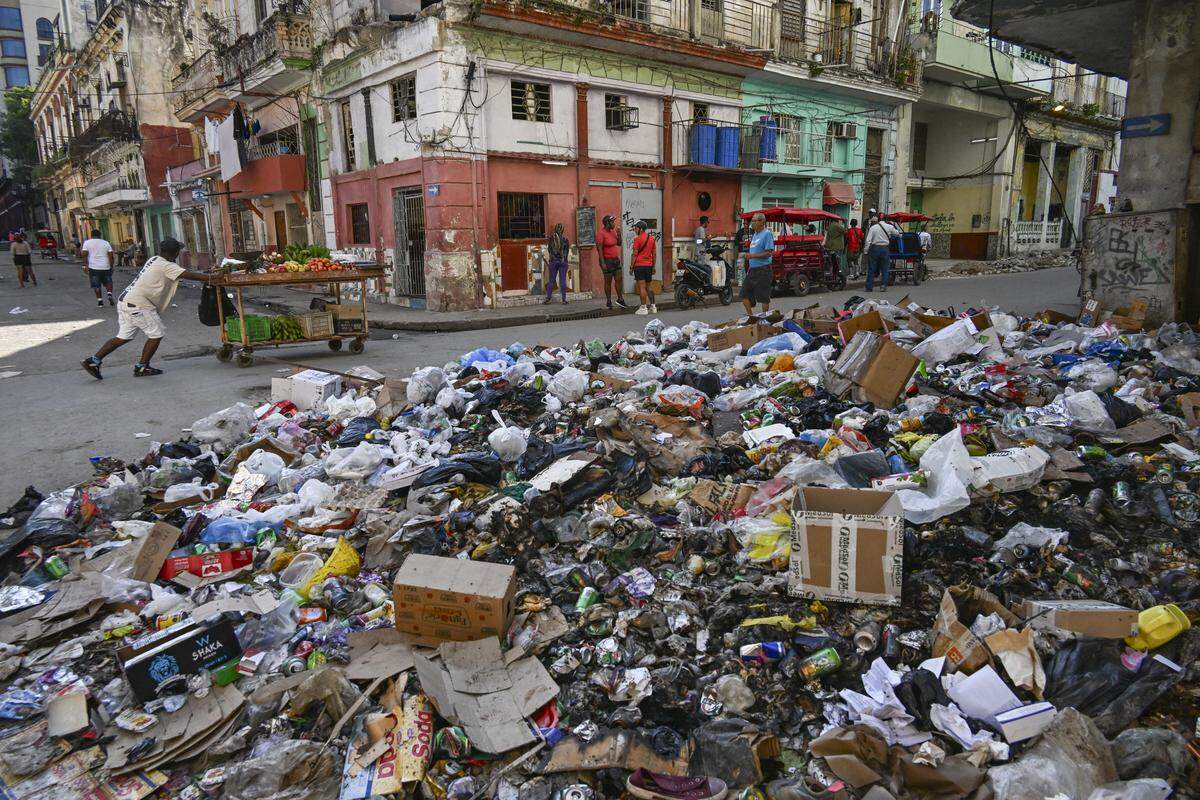
Havana’s streets and all provincial cities are full of trash and waste dumps are overflowing due to the fuel crisis to the point that residents have begun to burn them.
Cuba faces the worst health situation in its history
The healthcare system in Cuba is the worst its ever been, says Dr. Julio César Alfonso, president and founder of Solidaridad sin Fronteras, an organization based in Miami that helps healthcare professionals who left Cuba resume their careers in the United States.
“This is not a political issue, it is not an exaggeration. It’s not that the system will collapse, as the Minister of Public Health [José Ángel Portal Miranda] says—it has already collapsed,” Alfonso said.
Through Solidaridad sin Fronteras, Alfonso remains in close contact with colleagues on the island, who keep him updated on urgent needs, chronic medicine shortages and what they describe as a lack of disease prevention efforts by health authorities. The government, he added, cannot blame the embargo for the crisis, noting that it does not apply to food or medicine.
Alfonso called it “a mockery” for the Cuban government to tout telemedicine consultations in a country where daily power outages can last for hours on end.
“Cuba will become an incubator of germs and diseases that had been eradicated, due to the precarious state of hygiene and epidemiology,” Alfonso said.
Epidemics of oropouche, chikungunya, dengue, and other mosquito-borne diseases could return even stronger this summer, he warned.
Health intervention for Cuba
Solidaridad sin Fronteras and its sister organization, Cruz Verde Internacional, led by Dr. Taimy Alfonso, called on several Miami-based doctors to request a health intervention on the island. In December, they sent letters to the U.S. Centers for Disease Control and Prevention (CDC), the World Health Organization (WHO), the Pan American Health Organization (PAHO), and UNICEF, noting that children, pregnant women, and older adults are the most vulnerable.
“If a medical intervention is not carried out, as we have said for months, many will die,” said Taimy Alfonso, who ran the 911 Cuba program that delivered medicines to people in critical health conditions. The program relied on volunteers who delivered medicines to patients’ homes until they stopped making deliveries because repressive agencies on the island began to pursue and detain them.
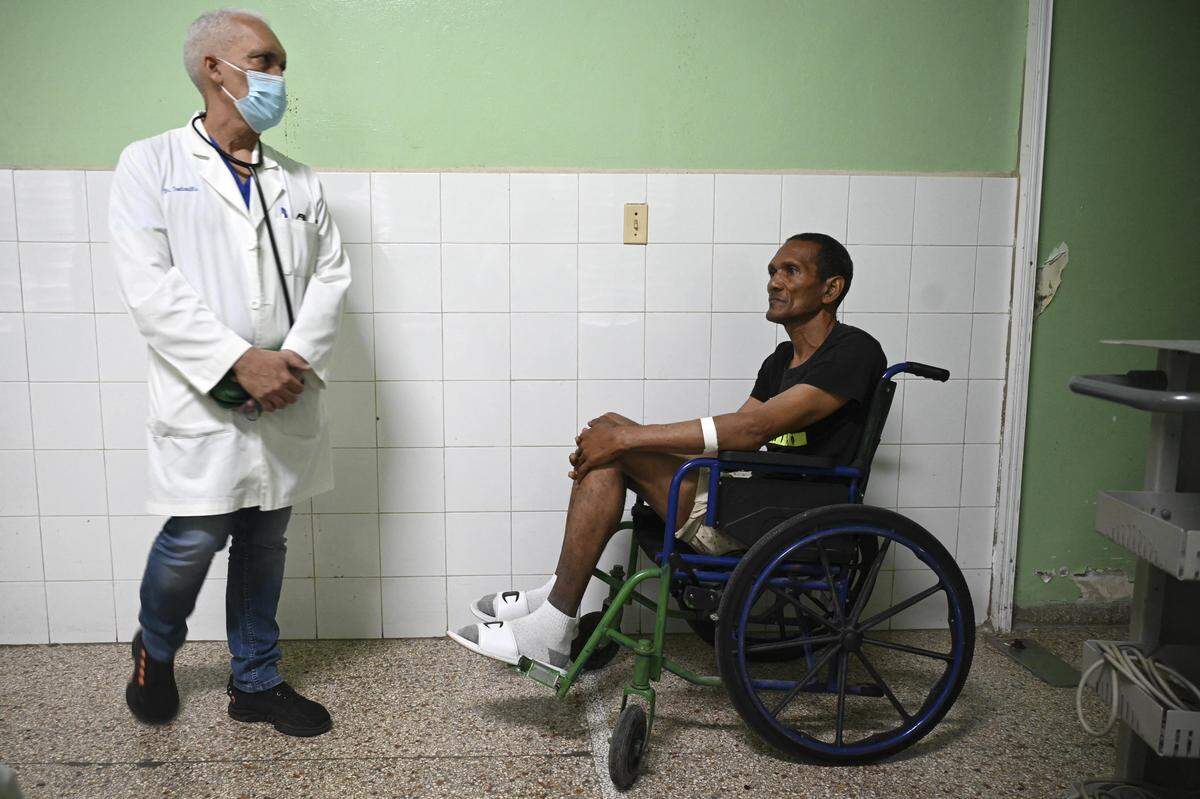
Taimy Alfonso, who has received desperate messages from patients and their families, says the conditions are precarious.
The Cuban government has ignored urgent warnings from doctors and political analysts about the dire situation. Instead, it continues to urge citizens to “endure” more. One expert told el Nuevo Herald that if an oil tanker does not reach the island by March, the country could hit “zero.”
As the Cuban government digs in, resisting meaningful change, and U.S. Secretary of State Marco Rubio holds talks with Raúl Guillermo Rodríguez Castro, known as “El Cangrejo” and grandson of Raúl Castro, ordinary Cubans are left at risk, with a collapsing medical system putting lives in danger.
“Pressure cannot be sustained for much longer because people are going to die,” Taimy Alfonso concluded urgently, stressing that those without family abroad to send medicines and food “are going to die.”
This story was originally published February 19, 2026 at 4:17 PM.
