
Giménez urges U.S. to use trade negotiations to end Mexico’s Cuba ties
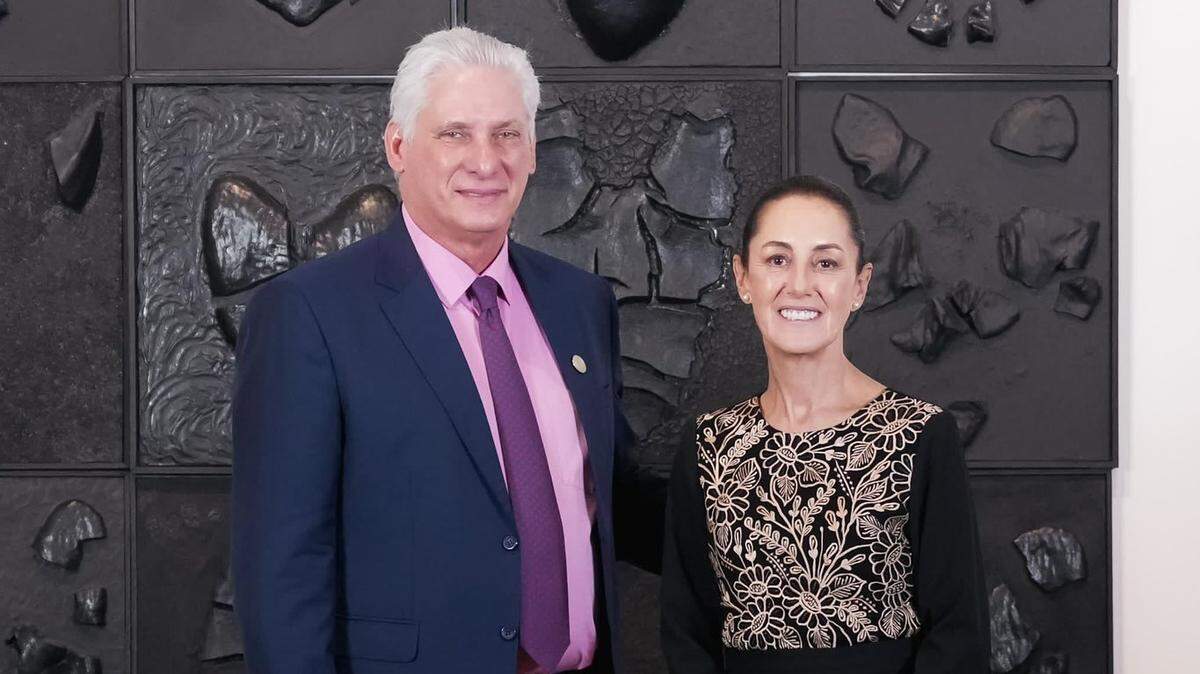
Miami Republican U.S. Rep. Carlos Giménez urged the Trump administration to demand that Mexico cease oil shipments to Cuba and end contracts with doctors in Cuban medical missions as part of the upcoming renegotiation of a trade deal with the Mexican government.
In a letter obtained by the Miami Herald, Giménez, who chairs the House Homeland Security Subcommittee on Transportation and Maritime Security, asked Secretary of State Marco Rubio and Treasury Secretary Scott Bessent to ensure “Mexico ends its disturbing relationship with the murderous regime in Havana.”
The United States-Mexico-Canada Agreement is scheduled for review early next year. As the agreement’s framework is revised, Giménez asked the U.S. top officials to require Mexico “step up efforts in combating and eliminating narco-terrorist organizations… halt trafficking of medical professionals from Cuba, victims of modern-day slavery” and “demand Mexico end its oil shipments to the regime in Havana.”
In the letter, Giménez cites reporting from the Herald, based on customs data obtained by Mexicans Against Corruption and Impunity, that shows that the Mexican state-owned oil company, Pemex, sent Cuba as much as $3 billion in oil shipments between May and August this year.
Pemex’s official financial documents show the subsidiary handling the shipments, Gasolinas Bienestar, has recorded losses or minimal profits, indicating that the oil has been donated or sold at below-market prices to Cuba.
Mexico has also hired around 800 Cuban doctors through the Havana government-run medical missions, which the U.S. has criticized in its annual human trafficking reports.
Asked about the oil shipments following last month’s news reports, Mexican President Claudia Sheinbaum suggested her country was both exporting and donating oil to Cuba.
“There is currently a surplus of diesel, and it is being exported,” she said in a press conference. “First, humanitarian aid will always be provided by Mexico, always, to Cuba and other countries in need. Now, there are contracts; for example, the Cuban doctors in Mexico have a very transparent contract that covers their stay here. Why is this done? Because of Mexico’s needs; they come to support the most vulnerable communities. These are contracts that are drawn up and paid, and there is also humanitarian aid.”
Following news of the shipments to Cuba, Giménez called Sheinbaum’s actions “pathetic”.
“While renegotiating the free trade agreement with the USA is being considered, how is it possible that Sheinbaum is aiding the narco-terrorist dictatorships of the region?” he asked. “If Mexico continues to collaborate with #Venezuela and #Cuba, it will be treated the same as the pariahs it is harboring.”
Sheinbaum dismissed Giménez’s comments and said that her government’s aid to Cuba was not going to affect the trade negotiations with the United States.
“No, it won’t affect anything. The United States knows that Mexico is an independent, free, and sovereign country, and that the decisions we make are sovereign,” she said. “The relationship with the United States is very good.”
A readout of an October meeting between Rubio and Mexico’s foreign minister do not mention discussions about the oil shipments to Cuba.
In the letter to Rubio and Bessent, Giménez said the oil shipments to Cuba undermine U.S. policy and were “most likely illegal as well. At a time when Pemex is struggling financially, President Sheinbaum is sending concerning quantities of oil to a dangerous dictatorship with deep operational ties to Venezuela’s Cartel de los Soles, a designated foreign terrorist organization.”
Ratcheting up the rhetoric, Giménez also accused Mexico of having “conspired with these cartels to weaponize migration into the United States. These terrorist organizations are directly responsible for the deaths of thousands of Americans.”
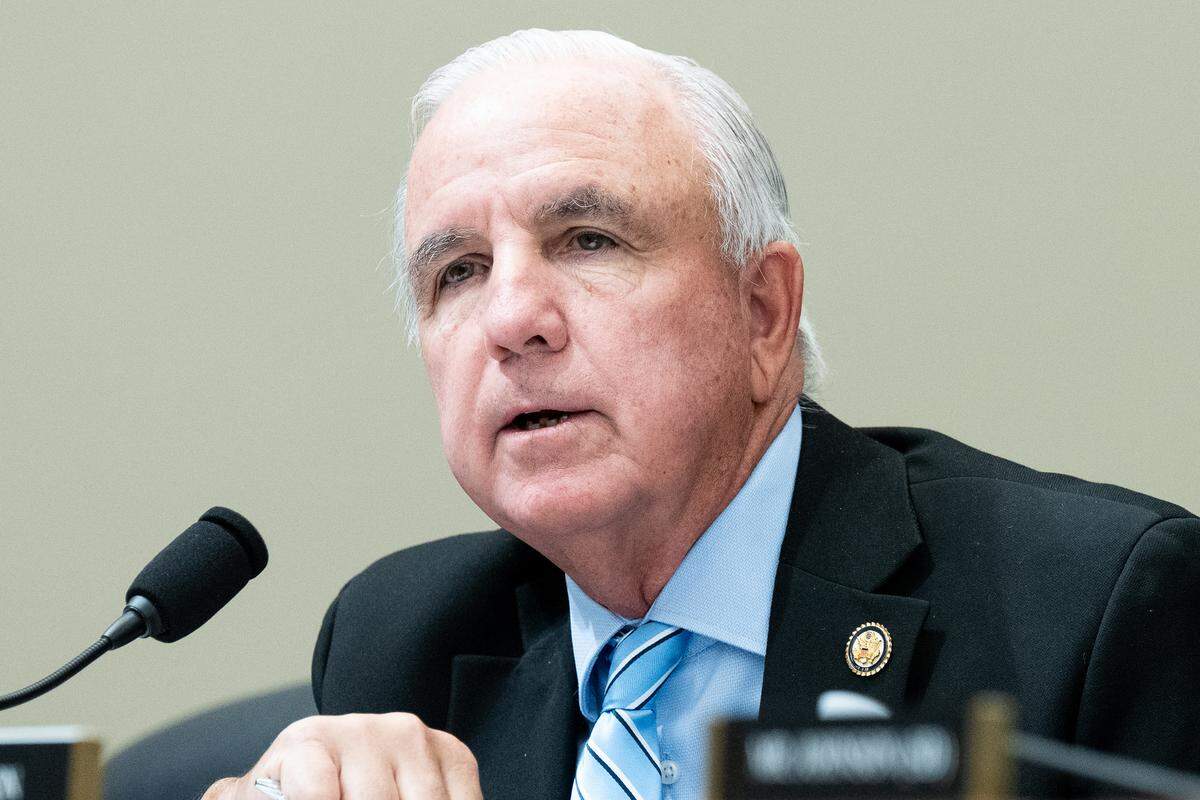
Giménez, who also serves on the House Armed Services Committee, is a member of the Mexico-United States Interparliamentary Group and has been actively publishing criticism of the Mexican government on social media.
When President Donald Trump designated Mexican cartels as foreign terrorist organizations in January, the congressman wrote in X: “If Mexico won’t destroy the cartels, America will wipe these criminals out!”
Narco-trafficking from Mexico remains a point of tension in the diplomatic relationship between the two countries, even if Sheinbaum has been praised by U.S. officials and has successfully navigated negotiations on tariffs and migration.
On Monday, NBC News reported that the Trump administration was drafting plans for U.S. forces to hit drug cartel targets inside Mexico.
President Trump recently said he had “great respect” for the Mexican president.
“She’s a very brave woman,” he said, “but Mexico is run by the cartels.”
This story was originally published November 4, 2025 at 1:23 PM.