
U.S. representative urges Trump to bring back from Cuba mom ‘ripped away’ from her baby
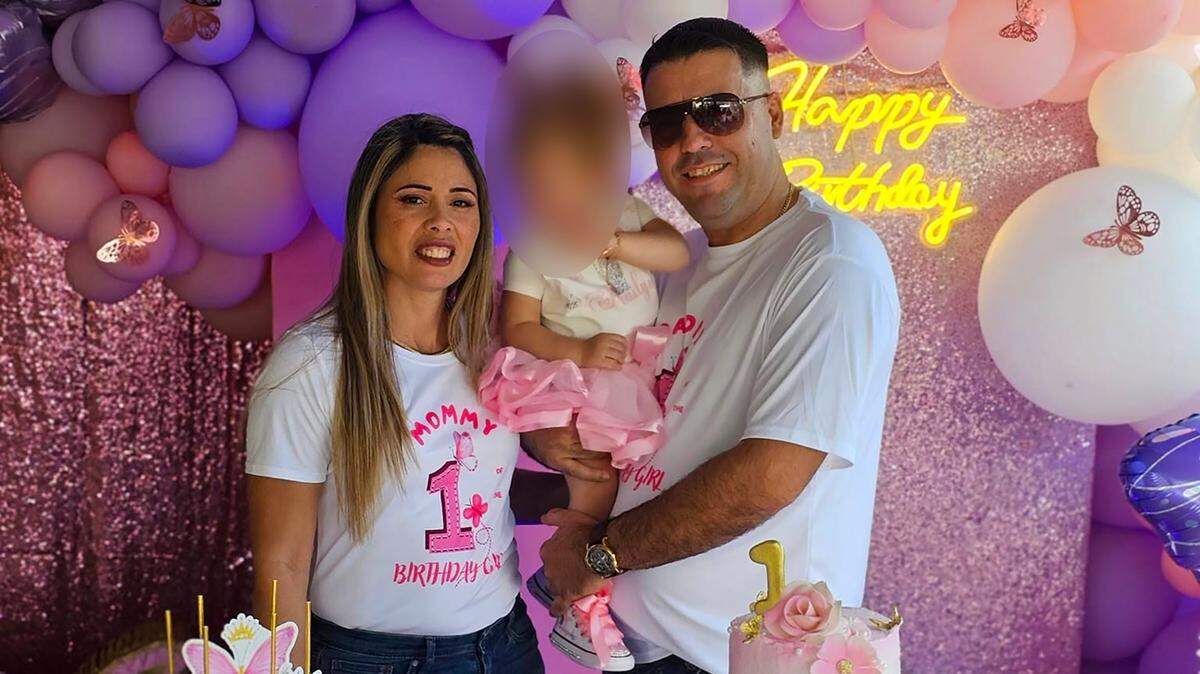
A U.S. representative from Tampa is calling the recent deportation to Cuba of a mother who got separated from her one-year-old baby and U.S. citizen husband “cruel” and “unconscionable” and urged President Donald Trump to grant humanitarian parole to reunite the family immediately.
In a letter to Trump, U.S. Rep. Kathy Castor, a Democrat, said that Heidy Sánchez Tejada, a 44-year-old home health aide from Tampa who was sent to Cuba last week, “was ripped away from her infant daughter… still breastfeeding at the time your Administration tore them apart.”
Sánchez’s husband, Carlos Yuniel Valle, whom she married in 2021, told the Miami Herald that she had been fighting a deportation order for years. As a U.S. citizen, he filed a family petition to try to legalize her immigration status, which was pending when she was detained at a regular check-in appointment with U.S. Immigration and Customs Enforcement in Tampa on April 22.
“It is unconscionable and wrong for your ICE personnel to harm families in this way,” Castor wrote Trump, adding that the treatment of the family was “a deep stain” on the administration and “repugnant to American values and constitutional protections.” She called on Trump to use his authority to return the mother to the U.S. because of her baby’s ongoing health issues.
ICE has not responded to a request for comment about the case.
Sydney Devitt, a press secretary for Castor’s office, said, “We are pursuing all avenues to advocate for her return and are awaiting a response from the White House.”
Sánchez tried to seek asylum at the U.S.-Mexico border in 2019, at a time when the first Trump administration required migrants to remain in that country until they could see an immigration judge. She attended a first hearing in the U.S. and was sent back to Mexico. But she missed her second hearing in the U.S. because she was kidnapped in Mexico, her lawyer, Claudia Cañizares, said. She tried again to present herself at the border. Still, since a judge had already issued a deportation order after she missed the hearing, ICE detained her and held her for nine months.
Because Cuba was not accepting many deportees at the time, ICE released her with a supervision order known as an I-220B, which required that Sánchez attend regular check-ins. She was detained at one such appointment last week and sent to Cuba two days later.
In an interview with Univision from Havana, Sánchez said she was not given time to say goodbye to her daughter, whom she took to the appointment. “They just simply ripped her away from my arms that day,” she said, sobbing.
In a Facebook video pleading for help from Havana, she said she had been struggling with infertility for two decades and that the couple’s daughter was conceived through in vitro fertilization.
“I tell you this so you understand the desperation I am feeling right now for not having my child with me,” she said, breaking into tears. “My child is my life, my everything; they are killing me slowly every night I go to sleep without her.”
Valle previously told the Miami Herald their daughter was in distress because of the separation from her mother, which Castor also mentioned in her letter. In a call Thursday, Valle said the child had undergone neurological testing this week due to ongoing medical conditions. He also said he was concerned about Sánchez’s emotional distress.
“Heidy does not stop crying,” he said. “ I told her we have to be strong for our daughter.”
He said he was able to buy Sánchez food from an online supermarket that delivers in Cuba and sent her a package with clothing and other necessities.
Castor said in the letter that “due to the suffocating oppression in Cuba and lack of essentials like food and clean water, Ms. Sánchez should not be trafficked to a country where she will be harmed and suffer.”
The circumstances of the deportation of Sánchez, who was sent to Cuba from Miami in a flight with another 81 Cuban migrants last week, has received significant attention amid the administration’s push to ramp up deportations.
U.S. Rep. María Elvira Salazar, a Republican from Miami who is sponsoring an immigration reform bill, the Dignity Act, told the Herald she was aware of Sánchez’s case, but House rules require that cases from outside her district be referred to their appropriate congressional representative.
“Cases like this underscore why Congress must pass my Dignity Act — to bring compassion, order, and long-overdue reform to our broken immigration system,” she said.
A petition asking U.S. Citizenship and Immigration Services to grant Sánchez humanitarian parole back into the U.S. has gathered over a thousand signatures. Activists and relatives protested on Saturday in front of a courthouse in Tampa, urging Castor and Florida U.S. Sen. Rick Scott to help.
Scott’s office did not immediately reply to an email seeking comment.
The family contacted his office and received the following response: “We are sorry to learn about the difficulties you are experiencing. Please be aware that our office is unable to assist you in this legal matter.”
This story was originally published May 1, 2025 at 6:39 PM.