
Rubio bans Cuba firm that handles money transfers to the island in move against military
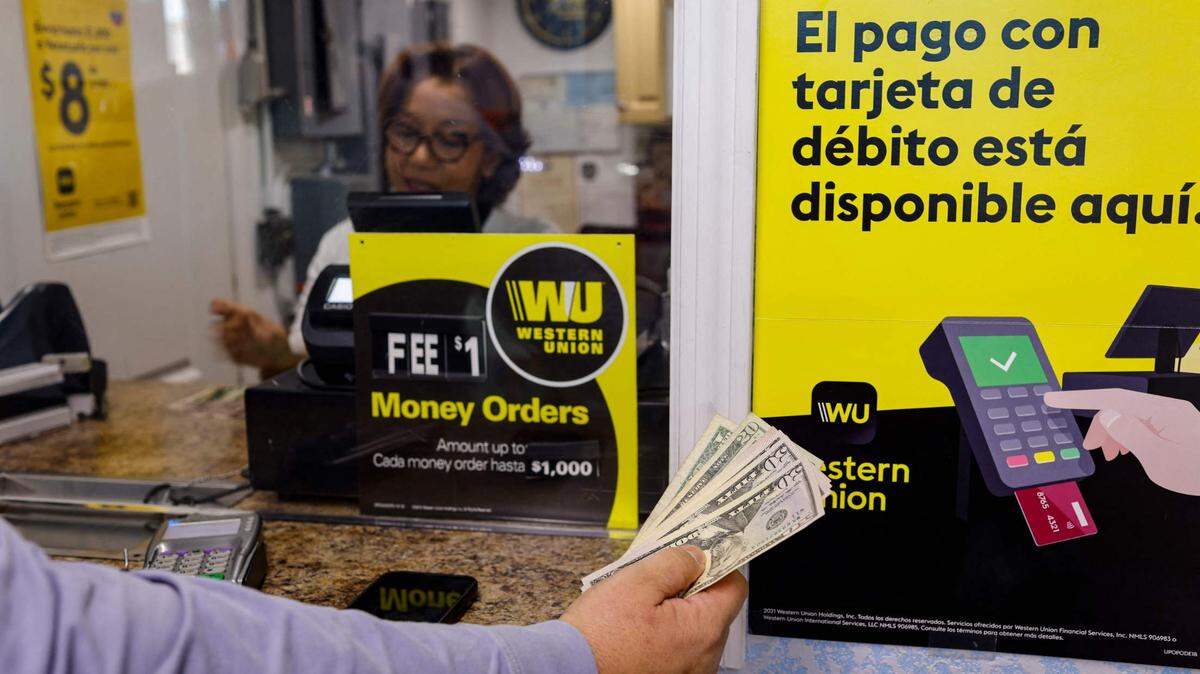
Secretary of State Marco Rubio reversed on Friday the last-minute decision by former President Joe Biden to remove sanctions on Cuban military companies and is extending the list of banned entities to include the Cuban company — secretly run by the military — that handles money transfers from Cuban Americans to their families on the island.
The move likely means Western Union and other Miami-based agencies partnering with the Cuban company, Orbit SA, will be forced to cut ties with the firm to comply with the sanctions, suspending official remittance channels to the island until the Cuban government finds a non-military company to provide the same service.
Cuban Americans send millions of dollars to their loved ones on the island through the remittance companies each year although most currently prefer to send money in cash directly carried by plane passengers to the island or use smaller agencies.
Rubio also said he had revoked Biden’s decision to suspend a provision in the Helms-Burton Act that has allowed Cuban Americans to sue companies profiting from confiscated properties known as Title III.
The measures add to President Donald Trump’s “decisive action” on his first day in office to keep Cuba on the list of state sponsors of terrorism, “where it belongs,” Rubio said.
“The Cuban regime has long supported acts of international terrorism. We call for the regime to end its support for terrorism and to stop providing food, housing, and medical care to foreign murderers, bombmakers, and hijackers while Cubans go hungry and lack access to basic medicine,” Rubio said.
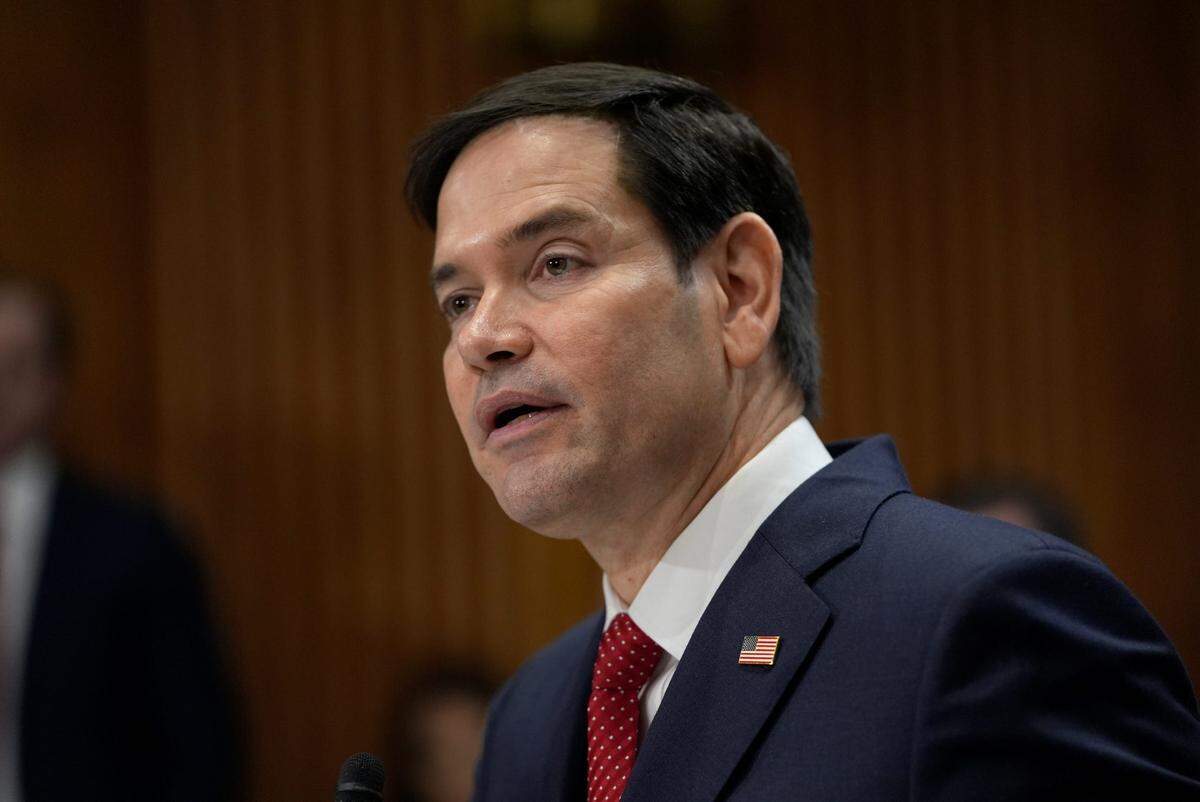
Rubio said he had ordered Friday to re-create the Cuba Restricted List that Biden had eliminated in his last week in office to “deny resources to the very branches of the Cuban regime that directly oppress and surveil the Cuban people while controlling large swaths of the country’s economy.”
Rubio, at the time a U.S. senator from Florida, had actively contributed to drafting the sanctions against the Cuban military, including the Cuba Restricted List, during Trump’s first term.
The Cuba restricted list included several companies and hotels owned by a Cuban military conglomerate known as GAESA. The Miami Herald recently reported that just one of its companies had $4.3 billion on hand while hospitals were collapsing, children were going hungry, and the island was going dark due to its poorly maintained infrastructure.
The Herald also reported on leaked documents showing that Orbit SA, an entity appearing to have no links to the Cuban military, was secretly run by CIMEX, one of GAESA’s leading holding companies.
Orbit was created by the Havana government after the Trump administration imposed sanctions on its predecessor, Fincimex, in 2020, because it was part of CIMEX — and run by the military. On paper, Orbit is part of the Cuban Ministry of Foreign Trade and Investment. But the documents reviewed by the Herald show that CIMEX provides monthly detailed reports to higher-ups in GAESA of the money transfers processed by Orbit and regularly discusses the company’s performance with GAESA’s top executives.
Orbit is currently headed by Diana Rosa Rodríguez Pérez, a former executive vice president for GAESA and former CIMEX vice president.
The leaked documents also showed Trump’s sanctions on Fincimex significantly decreased the remittance money handled by the military.
By the time Cuba’s military apparatus came up with the new company, and Western Union started operating again in Cuba in 2023, most of the money sent by Cuban Americans to their relatives on the island had moved to an informal market that bypasses the military-controlled companies. Cuban Americans now send money either through people traveling to Cuba, known as mulas — mules — who carry it in their luggage, or through alternative money-transfer agencies, usually working without U.S. government authorization.
Brad Jones, a Western Union spokesperson, said the company “is aware of the U.S. State Department’s plans to reissue and update the Cuba Restricted List. We will comply with all applicable laws and regulations as it pertains to this list.”
“The Trump Administration is restoring a tough Cuba policy that protects America and helps the Cuban people,” Rubio announced on X. “We’ve maintained Cuba on the State Sponsors of Terrorism list – where it belongs – and taken other steps. The Cuban regime’s oppression of its people and malign actions must end.”
Biden took Cuba off the list of countries that sponsor terrorism and eliminated the Cuba Restricted List as part of a deal brokered by the Vatican to release political prisoners. Cuban leader Miguel Díaz-Canel wrote to the Pope earlier this month that his government would release 553 prisoners. But just around the time Trump took office and reinstated Cuba on the terror list, Cuban authorities stopped releasing prisoners.
Cuban Foreign Minister Bruno Rodriguez blasted Rubio’s measures Friday, saying on X that “toughening criminal measures against the Cuban people will cause greater shortages, separation and increased emigration. It is a new provocative act of those who regain control of the Cuba issue to promote irresponsible scenarios of confrontation with purposes and results contrary to those proclaimed.”
This story was originally published January 31, 2025 at 8:25 PM.