Trump rescinds Biden decision to delist Cuba as state sponsor of terrorism
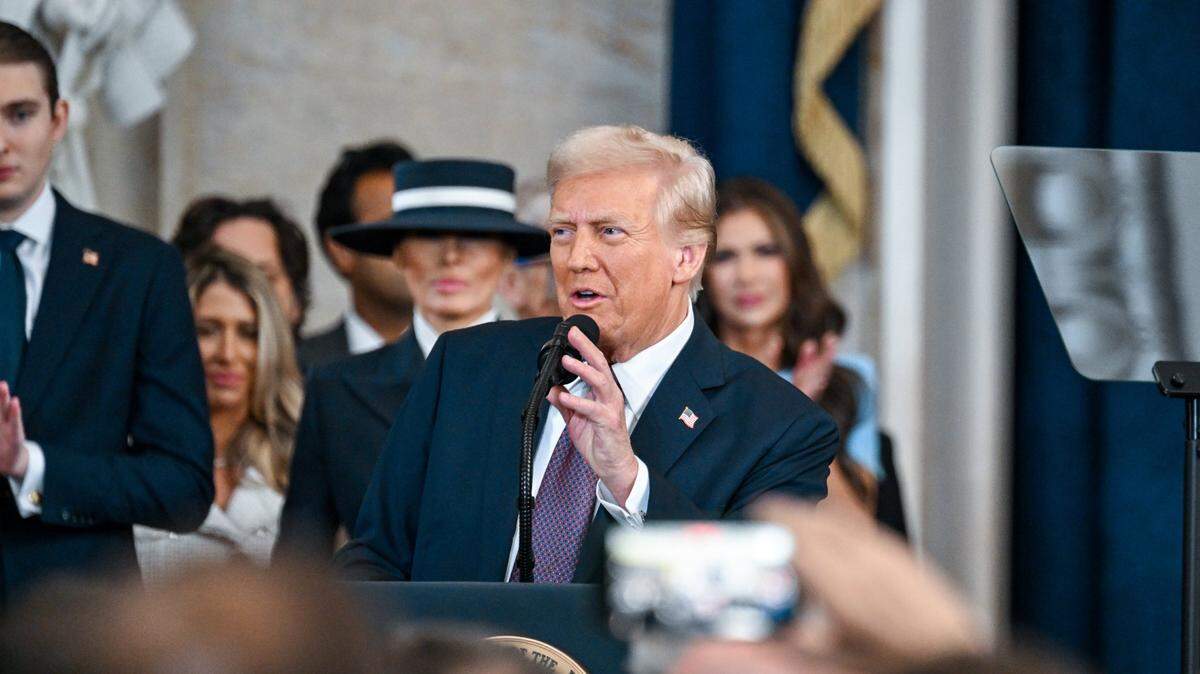
Donald Trump has rescinded one of his predecessor’s final foreign policy actions in office within hours of assuming the presidency, revoking former President Joe Biden’s delisting of Cuba as a state sponsor of terrorism.
The move was part of a sweeping executive order signed by Trump on Monday night that rescinds 78 executive actions taken by Biden over the course of his presidency.
READ MORE: Freed opposition leader Ferrer urges Trump to be firm with Cuba, help alleviate hunger
Biden had agreed to take the action as part of a deal brokered by the Vatican in exchange for Havana freeing dozens of prisoners the United States considered wrongfully detained.
President Trump also reverted Biden’s rescission of a 2017 Trump-era memorandum that had created a list of sanctioned Cuban military companies. Biden’s decision had removed those sanctions.
As of Sunday afternoon, Cuba had released 130 political prisoners, including opposition leader José Daniel Ferrer. In a letter, Cuba’s leader, Miguel Díaz-Canel, told Pope Francis earlier this month that the government was going to release 553 prisoners.
But soon after the White House announced last Tuesday it was taking Cuba off the list, it became evident the measures were going to be short-lived.
The following day, now-Secretary of State Marco Rubio said in his Senate confirmation hearing that he had “zero doubt” that Cuba met the requirements to be included on the list. Several Florida Republican representatives also expressed hope that President Trump would revert Biden’s decision.
The country has been on and off the list since former President Ronald Reagan first included it in 1982. Former President Barack Obama removed it in 2015 as a condition to reopen the U.S. embassy in Havana, and Trump put it back in the final days of his first term.
In a press conference last week, the Cuban foreign minister, Bruno Rodríguez, acknowledged that Biden’s measures could be quickly reversed, but he said that “would look like a mess” and suggested the list was not about terrorism but politics. Cuban authorities had launched a years-long propaganda and diplomatic campaign to get delisted, blaming the measure for creating financial obstacles for the government and hardship for the Cuban people.
Trump included Cuba on the list in January of 2021, citing Cuba’s harboring fugitives of American justice and Colombian guerrilla leaders wanted by the Colombian government of former president Iván Duque. But the current Colombian president, Gustavo Petro, rescinded the extradition request and asked former president Biden to remove Cuba from the list. A senior official in the Biden administration told reporters that week that Petro’s outreach had played a role in Biden’s decision.
It is not clear if the Cuban government will continue releasing political prisoners after Trump’s decision. Some of the best-known dissidents, including artist Luis Manuel Otero Alcántara and Grammy award winner Maykel Castillo, are still in prison.
Another measure also announced by President Biden last Tuesday, the suspension of a provision in the Helms-Burton Act that allows for lawsuits against companies that are profiting from confiscated property, does not appear to have been reverted by Monday’s executive action.
This story was originally published January 20, 2025 at 7:10 PM.