
Appeals court reverses ruling against cruise industry on ‘trafficking’ in Cuba property
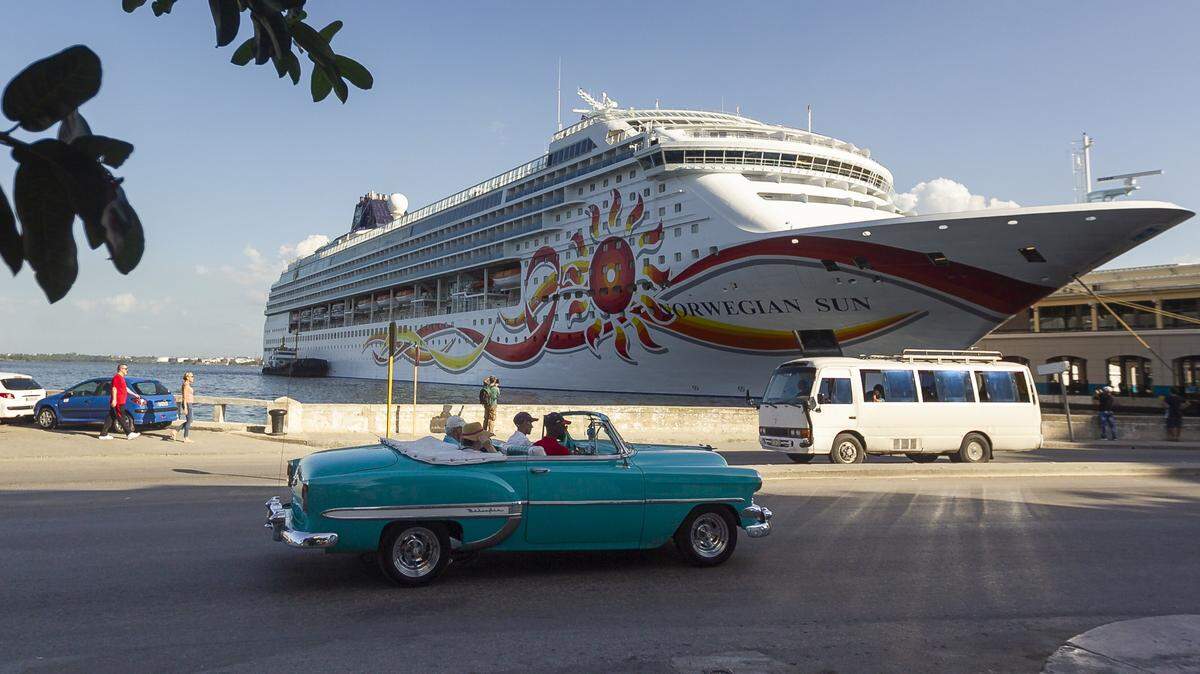
A federal appeals court on Tuesday tossed a $400 million judgment against four cruise-ship companies that took passengers to Cuba and were sued for damages for “trafficking in confiscated property” by a company owning a concession at the port of Havana.
In 2022, a Miami federal judge said that four major cruise lines with South Florida ties — Carnival, Norwegian, Royal Caribbean and MSC Cruises — engaged in “prohibited tourism” and “trafficking activities” by carrying passengers to Cuba and using the piers and facilities built by the U.S. company, Havana Docks, that had been confiscated by the Fidel Castro government without compensation in 1960.
U.S. District Judge Beth Bloom had ordered the companies to pay $439 million, plus attorney fees and costs. But in a 2-1 decision Tuesday, the Atlanta-based 11th Circuit Court of Appeals reversed the Florida judge’s ruling.
In a joint statement, MSC Cruises, Norwegian Cruise Line Holdings and Royal Caribbean Group said they were “pleased with the appellate court’s decision and thank the court for its thorough consideration of the case.”
A Carnival Corporation spokesperson said: “We are pleased with the outcome and will not comment further on pending litigation.”
The 2022 ruling was the first of its kind under a key provision, known as Title III, in the federal Helms-Burton Act that allows owners of claims to confiscated property in Cuba to sue those benefiting from the commercial use of such properties. But Title III was suspended by each president since Bill Clinton signed it in 1996 until Donald Trump enacted it in 2019.
The time-lapse has made these lawsuits more complicated.
In its decision, the appeals court said Havana Docks had a concession to exploit the piers, not a “fee simple interest ownership,” or absolute ownership, of the confiscated property. And whatever interest it had in the property had expired by the time the cruises sailed to Cuba between 2016-19 because its 99 year-concession had been set to end in 2004, the court said.
“We do not believe that Congress, in enacting Title III, meant to convert property interests which were temporally limited at the time of their confiscation into fee simple interests in perpetuity such that the holders of such limited interests could assert trafficking claims through what Buzz Lightyear called ‘infinity and beyond,’” the appeals court said.
In the majority opinion, Chief Judge William Pryor and Judge Adalberto Jordan ruled that even though Havana Docks holds a claim for the loss of the pier and facilities and its rights to exploit them, which was independently certified by the Justice Department’s Foreign Claims Settlement Commission, the company did not have “any fee simple ownership rights in any real property at the Port of Havana.”
The judges said the best way to interpret Title III language is “to view the property interest at issue in a Title III action as if there had been no expropriation and then determine whether the alleged conduct constituted trafficking in that interest.”
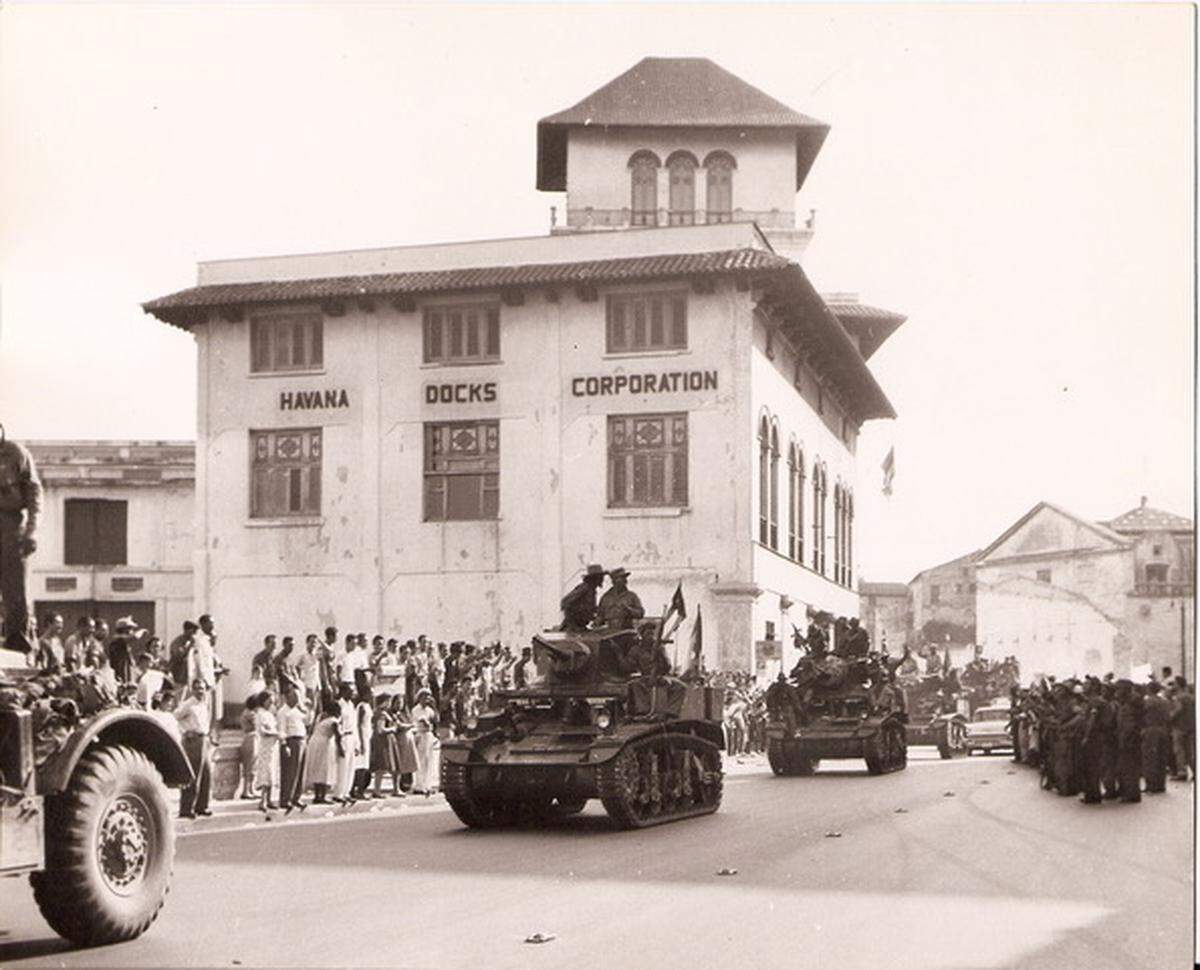
In a dissenting opinion, Judge Andre L. Brasher said that asking what would have happened to Havana Docks’ piers if they had not been confiscated in 1960 was “counterfactual” and “incompatible” with the purpose of the Helms-Burton Act.
“Nothing in the statute requires that a claimant establish that, absent the confiscation, it would have a current, present-day property interest in its stolen property,” he argued.
Brasher cited a previous decision by the same court of appeals establishing that under the Helms-Burton Act, former owners of confiscated property were considered to have a claim to such property instead of any rights in the property itself.
“Unlike Havana Docks’ original concessionary interest in the docks, its claim is not time limited,” he argued.
He also warned that the decision could affect other cases involving claims to other types of confiscated property, like “patents,” which are likely to have expired since 1959.
The case, which has been in litigation since 2019, might continue if Havana Docks asks for a new hearing in front of the entire appeals panel of judges or goes to the Supreme Court.
“The Communist Government of Cuba stole by force Havana Docks’ property. That was not a fiction,” Colson Hicks Eidson, the Miami firm representing Havana Docks, said in a statement. “The Communist regime has not been holding the stolen properties waiting for their American owners to return and repossess them. Cuba’s unelected Communist leaders have used the stolen American properties to run their dictatorship.
“Our client is reviewing the panel’s decision while considering our next steps.”
This story was originally published October 22, 2024 at 6:58 PM.