U.S. attack sub arrives at Navy base in Cuba a day after Russian fleet docks in Havana
A U.S. fast-attack nuclear-powered submarine arrived at Guantanamo Bay, in Cuba, on Thursday, a day after a Russian navy fleet that also included a modern submarine pulled into the port of Havana ahead of Russian military exercises in the Caribbean that are raising tensions in the region.
The U.S. Southern Command, based in Doral, said in a statement that the USS Helena was in Guantanamo Bay, in eastern Cuba, where the U.S. has a base, as part of a “routine port visit.” The Southern Command noted that “the vessel’s location and transit were previously planned.”
One Southcom official told McClatchy that the Helena’s movements were scheduled before the United States learned of the Russian deployment plans. The Navy saw “no reason to alter previously planned, routine activity in response to Russian activity in the region,” the official said.
But the timing and optics of a U.S. nuclear submarine arriving in Cuba when Russian warships are in Havana are being seen as another effort to send a message of strength to the Kremlin.
U.S. Navy warships plan to follow the Russian naval flotilla visiting the region if it crosses the Caribbean and sails to Venezuela, as is expected, two U.S. officials told McClatchy and the Miami Herald.
The U.S. vessels — including three destroyers, a Coast Guard cutter and a maritime reconnaissance aircraft — have closely monitored the Russian fleet as it entered the Western Hemisphere and sailed within 30 miles of Florida’s coast on its way to Havana.
Russia has sent the flotilla to the region for routine naval exercises, U.S. officials said. But the inclusion of a nuclear submarine in the deployment — the first visit of its kind since the end of the Cold War — has prompted the Biden administration to deploy a significant response.
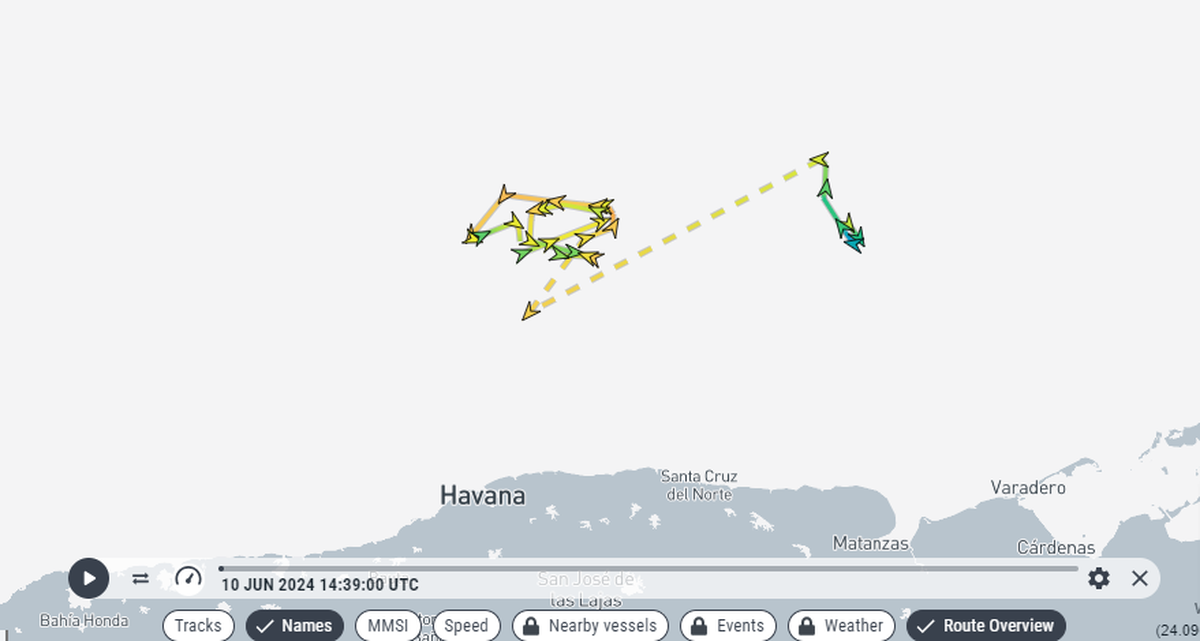
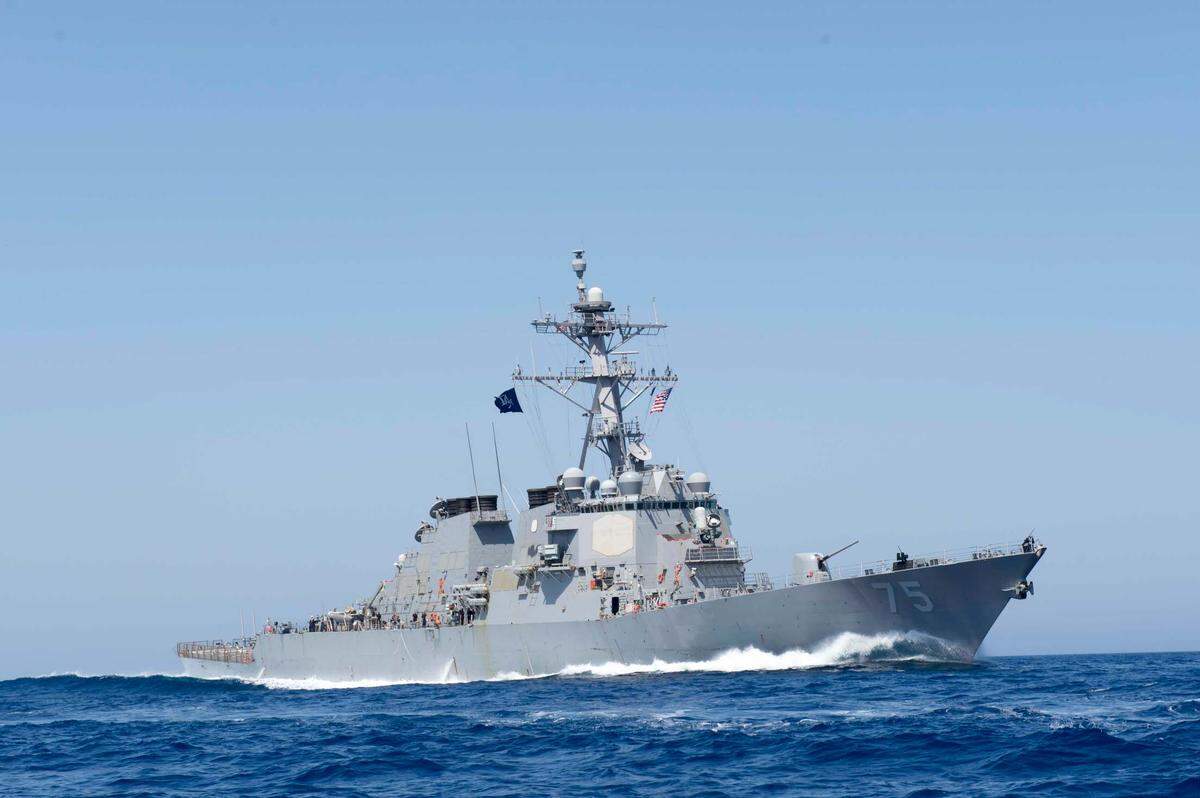
Around 9 a.m. Thursday, the USS Donald Cook was about 30 nautical miles northeast of the port of Havana, according to marinetraffic.com, a site that uses open-source satellite data to track vessels. According to its data, the U.S. warship had been staying in the area for the past few hours, at times getting closer but well off Cuban territorial waters, which stretch out to 12 nautical miles. The destroyer USS Truxtun was located early morning less than 60 nautical miles from Matanzas, a city east of Havana.
Cuban and Russian officials have downplayed the visit, which the Russian Armed Forces have characterized as “unofficial” and which has been almost completely ignored by Cuban state media. Cuba’s main daily, the Communist Party newspaper Granma, reported the Russian fleet’s Wednesday arrival a day later in a five-paragraph story.
The Kremlin press secretary, Dimitri Peskov, told reporters Thursday that Western countries should not worry about the Russian fleet’s presence in the Caribbean.
“Military exercises are a normal practice in a variety of regions. It is also a normal practice for all states, especially for such a large maritime power as the Russian Federation,” he said, according to the Russian official news agency Tass. “Carrying out such visits is also a common practice. Therefore, we see no reason for concern in this case.”
This story was originally published June 13, 2024 at 12:12 PM.