
Western Union partners with Cuban American company to offer money transfers to Cuba
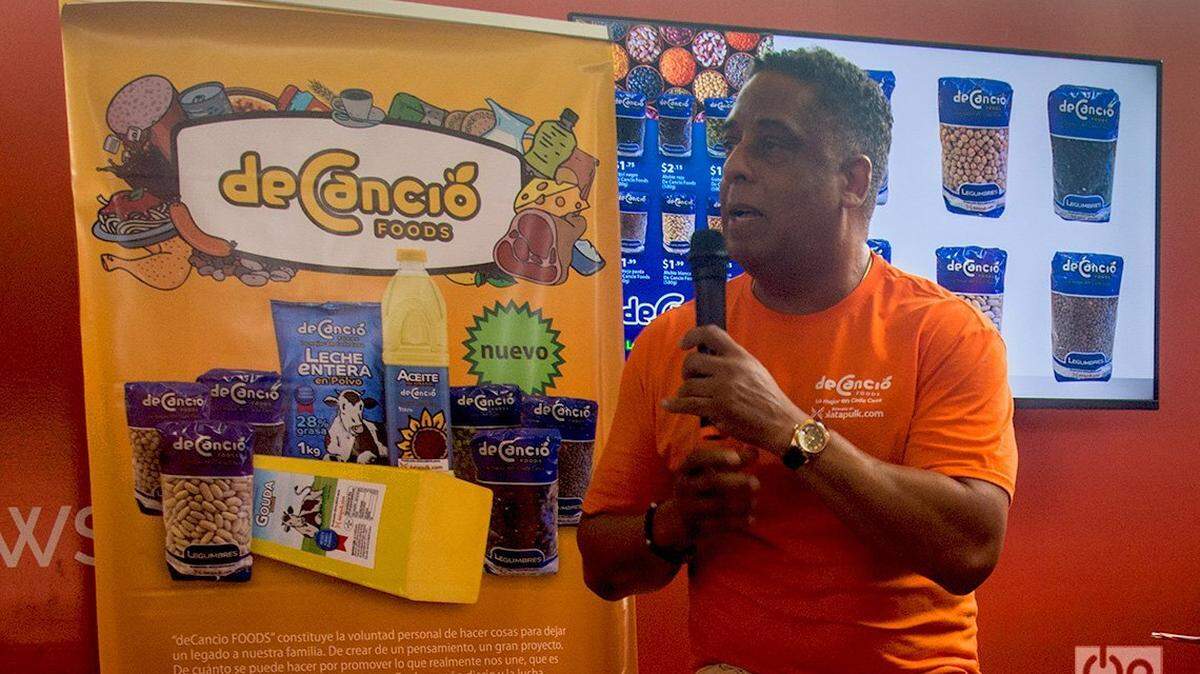
Western Union has inked a deal with Katapulk Marketplace, an online supermarket popular with Cuban exiles in Miami who buy food for their families on the island, to offer its money transfer services through Katapulk’s website.
Owned by Miami Cuban American businessman Hugo Cancio, Katapulk sells groceries that are delivered to clients in several Cuban cities. It also hosts more than 150 online stores where Cuba-based small and medium private businesses, known in Spanish as mipymes, can sell their products.
“The service details are the same as our Western Union service currently being offered,” Brad S. Jones, a company spokesperson, said. “The only difference is consumers will also need to register through the Katapulk website or app, even if they are already registered directly with us.”
The spokesperson said the new service was in a test phase. The company announced the service launch on Friday.
Western Union allows transfers up to $2,000 to Cubans on the island who have accounts in Banco Popular de Ahorro, Banco Metropolitano S.A. and Banco de Credito y Comercio. The funds are received the same day but are not paid in dollars to the client but in a local virtual currency known as MLC.
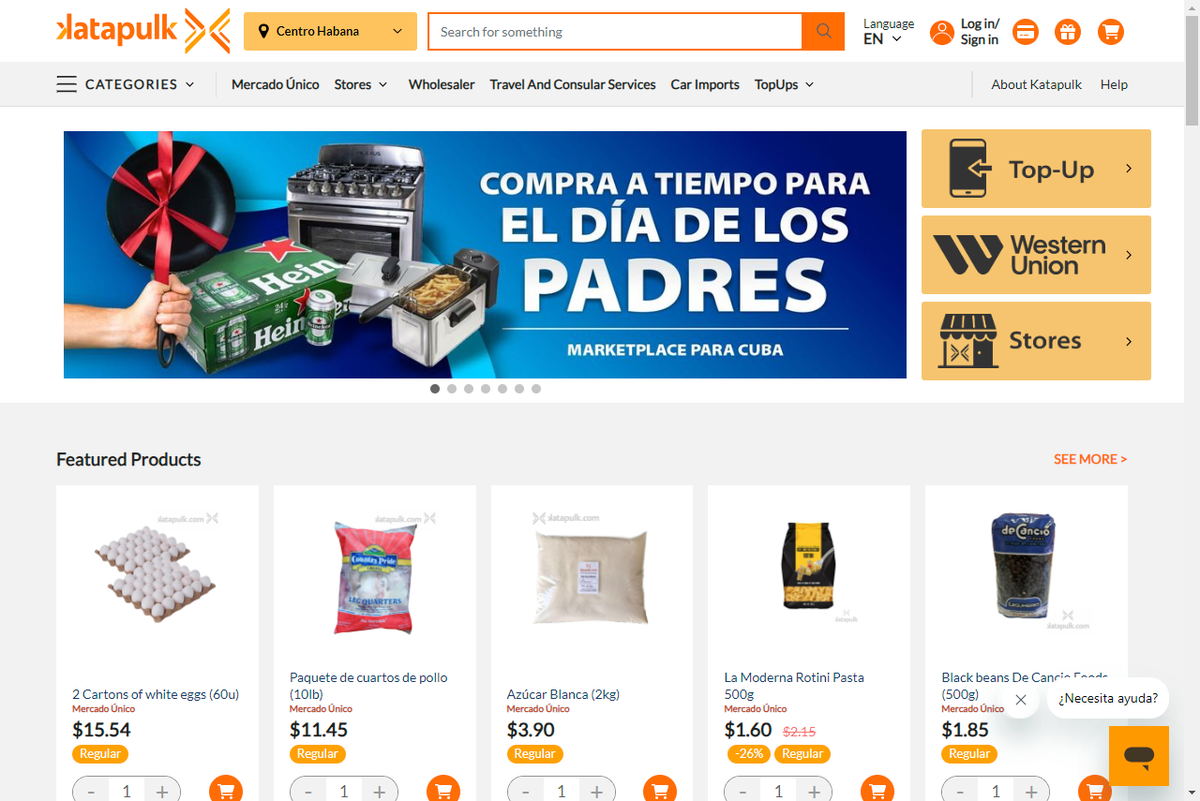
“Once money is sent over the Katapulk Marketplace, which includes the website www.katapulk.com or through Katapulk’s mobile applications, the service provides real-time tracking of transactions,” Jones said. “The service aligns with both companies’ mission to offer its customers a first-class experience using digital and physical means to connect families and communities, while enhancing financial inclusion in the communities they serve.”
Western Union’s return to Cuba has been rocky. The company was forced to shut its offices on the island in late 2020 when the Trump Administration sanctioned Fincimex, Western Union’s money-processing partner on the island, for its ties to the Cuban military. Two years later, the Cuban government agreed to create a new financial entity to process remittances on the island, Orbit SA. Western Union resumed its services in March last year. But in January, it had to halt its services again after the Cuban government said a cybersecurity “incident” affected the country’s electronic payment systems.
Western Union services resumed earlier this month. But sources in Cuba and the American business community have questioned how much of the remittance market Western Union is capturing because many transactions have moved to the informal market operating in dollars. The company faces competition from several money-transfer agencies that have popped up in recent years, some acting in a gray legal area, offering dollars in cash to the receiver on the island.
With the new deal, Western Union seeks to tap into Katapulk’s large clientele of Cuban Americans, who are already motivated to help their relatives, to offer the remittance service on an online site they regularly visit.
The company is currently not allowing commercial money transfers to Cuba for fear of running afoul of U.S. sanctions, a source, who asked not to be named to discuss the company’s practices, said.
The Western Union spokesperson Jones said the “service is limited to consumer money transfers only.”
For Katapulk, becoming a Western Union online agent is another step in steadily expanding its business model and foothold on the Cuban market. Beyond offering the products of local private enterprises, the company operates its own food market and developed its own food brand, deCancio Foods.
Katapulk has also become a major exporter of cars to Cuba, shipping an average of 30 to 35 containers with cars and other vehicles a month, according to a source who asked not to be named to discuss the company’s exports. The cars are mostly bought by private business owners, the source said. In total, the company is sending around 130 containers a month to the island, according to the source.
Cancio, who first generated controversy when he started producing concerts of Cuban musicians in the late 1990s, also represented U.S.-based cruise companies that offered trips to Cuba between 2015 and 2019. He is also the founder of Fuego Enteprises Inc., which owns the online news site OnCuba.