
Rare Oropouche virus spotted in several cities for the first time, Cuba authorities say
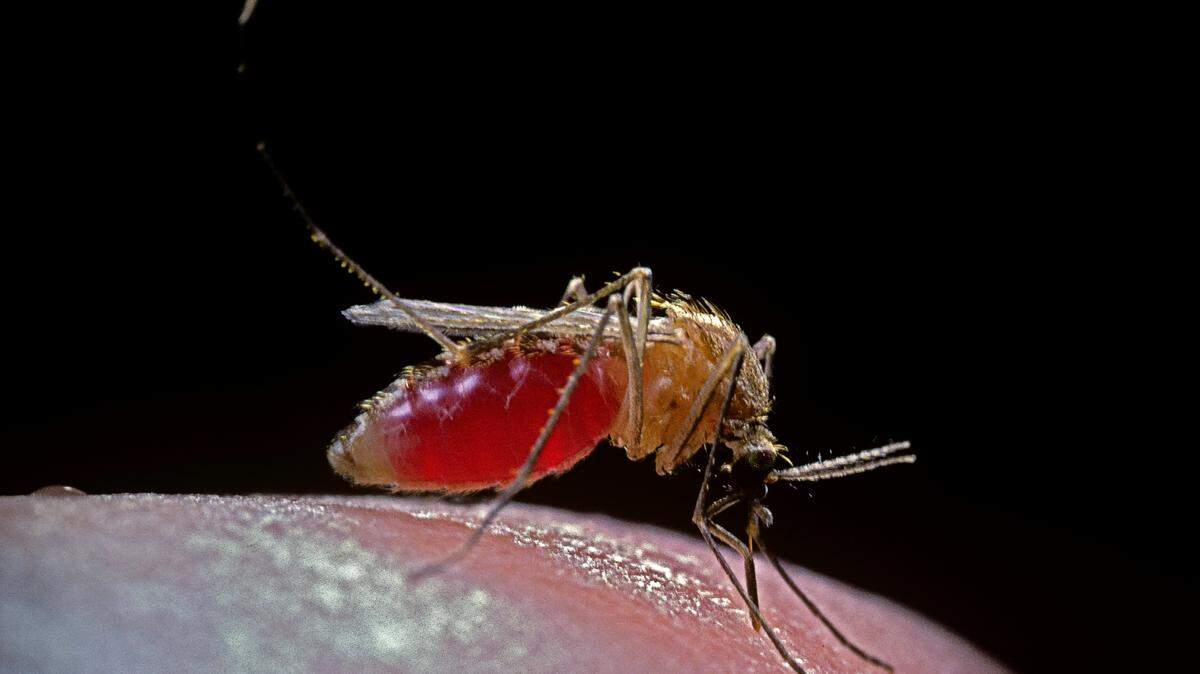
Oropouche fever, a rare mosquito-borne viral disease mostly found in the Amazon region, has been spotted for the first time in Cuba, in Santiago de Cuba and Cienfuegos provinces, the island’s health authorities said.
Earlier this week, the Cuban Ministry of Health said it had confirmed cases of the illness in the rural town of Songo La Maya and Boniato, on the outskirts of Santiago de Cuba city.
The country’s top epidemiology official, Dr. Francisco Durán, said on state television that cases were also found in four municipalities in the province of Cienfuegos in central Cuba: Abreu, Rodas, Aguada, and Cumanayagua.
The virus is transmitted by a biting midge called Culicoides paraensis, which Durán said has yet to be found on the island, and by certain Culex mosquitoes that live in hot, humid places like Cuba. The symptoms could be mistaken for dengue fever, another viral disease transmitted by mosquitoes that is currently affecting the island, he added.
After an incubation period of up to a week, people with the virus may experience fever, headaches, sensitivity to light, rashes, vomiting and bleeding, the Pan American Health Organization said in a warning it issued this month about growing numbers of cases of the disease in the Americas. Usually, the infection resolves by itself in a couple of weeks, but rare complications include meningitis and encephalitis.
There are few studies of the virus and no known reports of associated deaths. There are no known cases of the Oropouche virus in the United States.
Since February, the Pan American Health Organization has been tracking the increase of cases in the region, including in Colombia, Perú and Bolivia, alongside widespread circulation of the dengue virus. The outbreak was first detected in Brazil’s Amazonas state and its capital, Manaus.
Named after a region in Trinidad and Tobago, where it was first isolated in 1955, the virus uses sloths and primates as hosts. It passes to humans through the bite of an infected mosquito or midge. Scientists warn that because there is no vaccine or specific treatment for the disease, efforts to contain the virus should focus on prevention and control of the mosquito population.
The Pan American Health Organization advises taking precautions like draining standing wate, protecting homes with fine-mesh mosquito nets and using repellents.
“In areas of transmission, insecticide spraying may be an additional measure, especially in urban and peri-urban areas, when technically advisable and feasible,” the organization said in its May 9 alert.
But Durán said that the “fight against the mosquito cannot rely on big fumigation efforts, not because of lack of resources but because really what is needed is a community effort.”
In the past, Cuba has fought dengue outbreaks with massive fumigation campaigns. But that requires gasoline or another fuel to power the spaying machines, and the island has trouble paying for fuel even to keep the lights on.
The severe economic crisis in Cuba makes fighting the disease difficult because of daily blackouts, shortages of medications and medical supplies in hospitals and the lack of affordability and availability of products like insecticides or mesh nets.
The breakdown of the garbage collecting system around the country and the accumulation of water in street potholes also pose further challenges. Cubans commenting on social media quickly noted this in reply to Durán’s television appearance.
“And when will they fix the streets full of holes with rotten water and the disgusting garbage dumps?” asked a YouTube user identified as Raquel Ramirez. “No fumigation, for God’s sake.!!! We are going to die.”
This story was originally published May 30, 2024 at 1:54 PM.