
Cuban authorities sentence young mother to 15 years in prison for live streaming protest
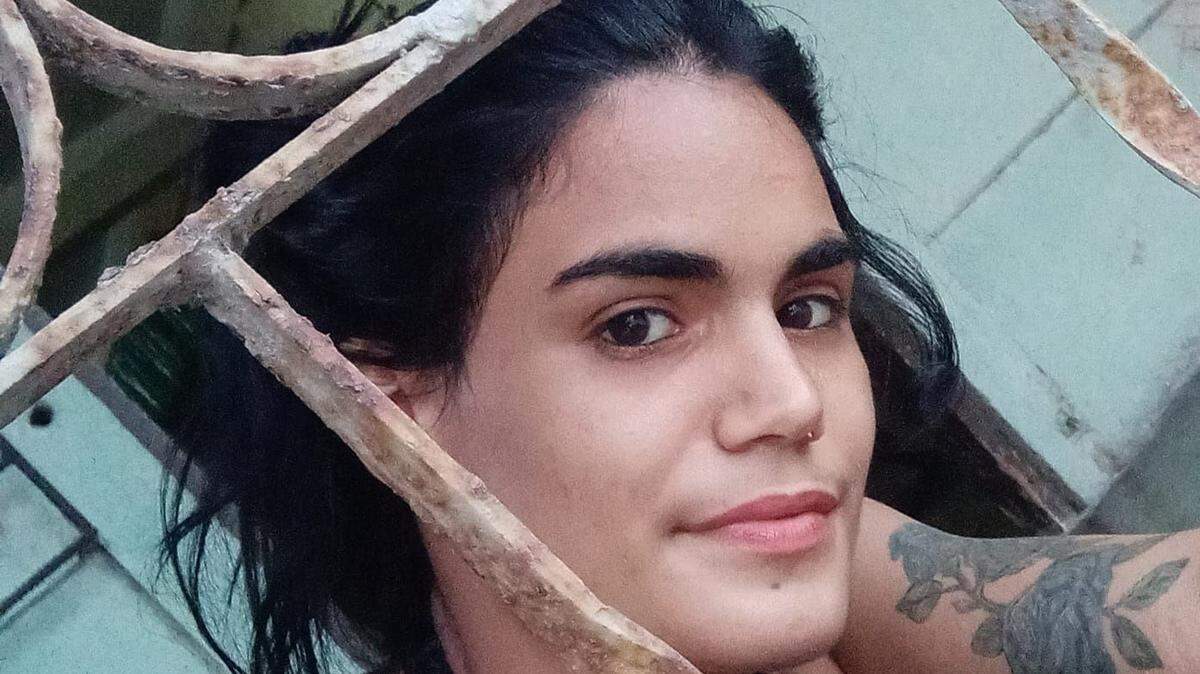
A young mother has been sentenced to 15 years in prison for transmitting videos on Facebook of a protest in Cuba, the latest example of the communist government’s heavy-handed policies to crack down on growing dissent amid worsening economic conditions.
Mayelín Rodríguez Prado, 23, was charged with “sedition” and disseminating “enemy propaganda” for publishing videos of a protest in the city of Nuevitas, in the central province of Camaguey, in August 2022. Another 12 demonstrators received sentences between 4 and 14 years in prison under similar charges, according to court documents shared by the Observatorio Cubano de Derechos Humanos, a human rights organization based in Madrid, over the weekend.
A year after anti-government protests spread throughout the island on July 11, 2021, the residents of Nuevitas took to the streets again during an electricity blackout, chanting, “Turn on the lights,” “Freedom,” and “The people are tired,” independent news outlet 14ymedio reported at the time.
Shortly after, Rodríguez Prado and other participants were arrested and detained for several months without charges. She is the mother of a toddler and was 21 at the time of her detention.
Most of the original videos posted by the Nuevitas demonstrators have been deleted.
“The harsh sentencing this week of up to 15 years in prison for Cubans who peacefully assembled in Nuevitas in 2022 is outrageous,” said Brian Nichols, assistant secretary for Western Hemisphere affairs at the U.S. State Department. “The Cuban government’s continued repression of Cubans striving to fulfill their basic rights and needs is unconscionable.”
The Cuban government prosecuted hundreds of people, including several mothers, seniors and minors, who participated in the July 11 demonstrations, meting out sentences of up to 30 years in prison. Despite an international outcry and diplomatic efforts, Cuban authorities have declined to release them, claiming they are not political prisoners.
The harsh sentences for the Nuevitas demonstrators, coming after more recent protests in Santiago de Cuba over the worsening deteriorated, suggest Cuban authorities are steadfast in their determination to crack down on opposition and civil unrest despite the backlash, out of fears the protests might continue.
Cuban independent journalists have also been targeted.
José Luis Tan Estrada, an independent journalist from Camaguey province, who had covered the detention of the Nuevitas demonstrators and revealed the poor conditions of healthcare facilities in that province, has been detained in Villa Marista, the Cuban state security prison in Havana, since Friday. Tan Estrada, a former professor at the University of Camaguey who was expelled for criticizing the government, was warned in April that he would be arrested if he continued reporting. At the time, an Interior Ministry official showed him a file with his posts on social media.
In recent years, the Cuban government has approved legislation turning what has been for decades a zero-tolerance policy for dissent and criticism of the government into law. As the government was finally forced to expand internet access on the island in recent years, it also made sure it could spy on people’s phones with the help of Chinese technology and made criticizing the government on social media a crime.
Decree-law 370, passed in 2019, makes it a crime to publish “information contrary to the public interest, morality, good manners and the integrity of the people” on social media. Two decrees passed in 2021 by the Ministry of Communications treat using social media to criticize the government as cyberterrorism. The new penal code approved in 2022 calls for prison sentences for people using vulgar language against top officials or publishing “fake news” and “propaganda against the Constitutional order.”
In its 2023 annual report on human rights around the world, the U.S. State Department said Cuban law “criminalized freedom of expression online, allowed the government to flag for removal social media posts critical of the government or government officials, listed criminal incitement through social media as an ‘aggravating circumstance”’to allow for harsher sentences, and increased penalties for slander and the use of social networks to organize protests.”